
Contents
- 📈 Introduction to Online Marketplaces
- 🛍️ Facebook Marketplace: A Social Commerce Platform
- 👥 Peer-to-Peer Marketplaces: The Rise of Decentralized Exchange
- 📊 The Economics of Online Exchange: Fees, Commissions, and Revenue Models
- 🚀 The Future of Online Marketplaces: Trends, Challenges, and Opportunities
- 🤝 Trust, Safety, and Regulation in Online Marketplaces
- 📈 The Role of Social Media in Shaping Online Marketplaces
- 📊 Case Studies: Successful Online Marketplaces and Their Strategies
- 📈 The Impact of COVID-19 on Online Marketplaces and E-commerce
- 🔍 The Intersection of Online Marketplaces and Emerging Technologies
- 📊 The Global Online Marketplace Landscape: Regional Trends and Insights
- 📈 Conclusion: The Evolving Landscape of Online Exchange
- Frequently Asked Questions
- Related Topics
Overview
The rise of Facebook Marketplace and peer-to-peer exchange platforms has transformed the way people buy and sell goods online. With over 800 million monthly active users on Facebook Marketplace alone, these platforms have become a significant force in the e-commerce landscape. However, concerns around trust, safety, and regulation have sparked debates about the future of online exchange. As platforms like Craigslist, Letgo, and OfferUp continue to shape the peer-to-peer market, it's clear that the lines between online marketplaces and peer-to-peer exchange are becoming increasingly blurred. With a projected global e-commerce market size of $6.5 trillion by 2023, the stakes are high for companies and individuals alike. As the market continues to evolve, one thing is certain: the future of online exchange will be shaped by the interplay between technology, trust, and regulation.
📈 Introduction to Online Marketplaces
The rise of online marketplaces has revolutionized the way we buy and sell goods, with platforms like Facebook Marketplace and eBay leading the charge. These platforms have made it easier for individuals to connect with each other and exchange goods, but they also raise important questions about trust, safety, and regulation. As we explore the evolving landscape of online exchange, it's essential to consider the role of social media in shaping these platforms and the impact of COVID-19 on the e-commerce industry. With the global online marketplace landscape expected to continue growing, it's crucial to understand the trends, challenges, and opportunities that lie ahead.
👥 Peer-to-Peer Marketplaces: The Rise of Decentralized Exchange
Peer-to-peer marketplaces like Airbnb and Uber have disrupted traditional industries and created new opportunities for individuals to monetize their assets. These platforms have also raised important questions about regulation, taxation, and the future of work. As we explore the rise of decentralized exchange, it's crucial to consider the impact of gig economy on workers' rights and the potential for cryptocurrency to facilitate faster and more secure transactions. With the global peer-to-peer marketplace expected to continue growing, it's essential to understand the trends, challenges, and opportunities that lie ahead.
📊 The Economics of Online Exchange: Fees, Commissions, and Revenue Models
The economics of online exchange are complex and multifaceted, with fees, commissions, and revenue models varying widely across different platforms. As we examine the business models of online marketplaces like Amazon and Etsy, it's essential to consider the role of data analytics in optimizing pricing and inventory management. With the rise of subscription-based services and freemium models, it's crucial to understand the impact of these revenue streams on the overall profitability of online marketplaces. As we look to the future, it's essential to consider the potential for tokenization and initial coin offerings to create new opportunities for funding and growth.
🚀 The Future of Online Marketplaces: Trends, Challenges, and Opportunities
The future of online marketplaces is uncertain and rapidly evolving, with trends like sustainability and social responsibility expected to play a major role in shaping the industry. As we explore the challenges and opportunities that lie ahead, it's essential to consider the impact of emerging technologies like augmented reality and virtual reality on the user experience. With the global online marketplace landscape expected to continue growing, it's crucial to understand the role of regulation and policy in shaping the future of online exchange. As we look to the future, it's essential to consider the potential for decentralized finance and Web3 to create new opportunities for innovation and growth.
🤝 Trust, Safety, and Regulation in Online Marketplaces
Trust, safety, and regulation are critical components of online marketplaces, with platforms like PayPal and Stripe playing a major role in facilitating secure transactions. As we examine the measures that online marketplaces are taking to protect users and prevent fraud, it's essential to consider the impact of artificial intelligence and machine learning on enhancing the user experience. With the rise of biometric authentication and two-factor authentication, it's crucial to understand the role of cybersecurity in protecting user data and preventing identity theft. As we look to the future, it's essential to consider the potential for blockchain technology to increase transparency and security in online transactions.
📊 Case Studies: Successful Online Marketplaces and Their Strategies
Case studies of successful online marketplaces like Alibaba and Shopify provide valuable insights into the strategies and tactics that have driven their success. As we examine the features and benefits of these platforms, it's essential to consider the role of data analytics and artificial intelligence in optimizing pricing and inventory management. With the rise of omnichannel commerce and headless commerce, it's crucial to understand the potential for online marketplaces to create seamless and integrated shopping experiences across multiple channels. As we look to the future, it's essential to consider the impact of emerging technologies like augmented reality and virtual reality on the online marketplace landscape.
📈 The Impact of COVID-19 on Online Marketplaces and E-commerce
The impact of COVID-19 on online marketplaces and e-commerce has been significant, with many platforms experiencing rapid growth and increased demand. As we explore the challenges and opportunities that have arisen as a result of the pandemic, it's essential to consider the role of contactless payment and curbside pickup in shaping the user experience. With the rise of social distancing and remote work, it's crucial to understand the potential for online marketplaces to create new opportunities for commerce and exchange. As we look to the future, it's essential to consider the impact of vaccine passports and digital health certificates on the online marketplace landscape.
🔍 The Intersection of Online Marketplaces and Emerging Technologies
The intersection of online marketplaces and emerging technologies like blockchain and artificial intelligence is creating new opportunities for innovation and growth. As we explore the potential for these technologies to enhance the user experience and increase transparency and security, it's essential to consider the role of tokenization and initial coin offerings in facilitating funding and growth. With the rise of decentralized finance and Web3, it's crucial to understand the potential for online marketplaces to create new opportunities for commerce and exchange. As we look to the future, it's essential to consider the impact of quantum computing and nanotechnology on the online marketplace landscape.
📊 The Global Online Marketplace Landscape: Regional Trends and Insights
The global online marketplace landscape is complex and multifaceted, with regional trends and insights varying widely across different markets. As we explore the opportunities and challenges that exist in different regions, it's essential to consider the role of regulation and policy in shaping the future of online exchange. With the rise of emerging markets and developing economies, it's crucial to understand the potential for online marketplaces to create new opportunities for commerce and exchange. As we look to the future, it's essential to consider the impact of globalization and trade agreements on the online marketplace landscape.
📈 Conclusion: The Evolving Landscape of Online Exchange
In conclusion, the evolving landscape of online exchange is complex and rapidly evolving, with trends like sustainability and social responsibility expected to play a major role in shaping the industry. As we look to the future, it's essential to consider the impact of emerging technologies like augmented reality and virtual reality on the user experience. With the global online marketplace landscape expected to continue growing, it's crucial to understand the trends, challenges, and opportunities that lie ahead. As we explore the future of online marketplaces, it's essential to consider the potential for decentralized finance and Web3 to create new opportunities for innovation and growth.
Key Facts
- Year
- 2023
- Origin
- Vibepedia
- Category
- E-commerce and Online Marketplaces
- Type
- Online Marketplace
- Format
- comparison
Frequently Asked Questions
What is Facebook Marketplace?
Facebook Marketplace is a social commerce platform that allows users to buy and sell goods within their local communities. With over 800 million monthly active users, it's one of the largest online marketplaces in the world. Facebook Marketplace provides a convenient and secure way for users to connect with each other and exchange goods, with features like Messenger and Payments making it easy to communicate and transact with others.
What is peer-to-peer lending?
Peer-to-peer lending is a type of online marketplace that allows individuals to lend and borrow money from each other, bypassing traditional financial institutions. Platforms like Lending Club and Prosper provide a secure and transparent way for individuals to connect with each other and exchange funds, with features like credit scoring and interest rates helping to facilitate the lending process.
What is the difference between Facebook Marketplace and peer-to-peer marketplaces?
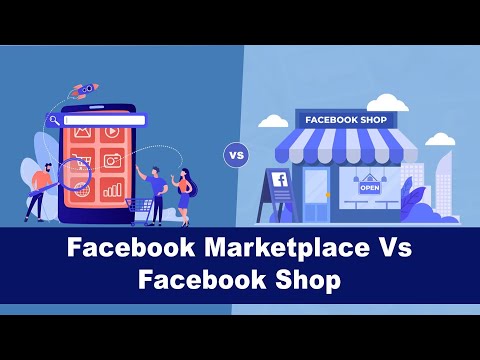
Facebook Marketplace is a social commerce platform that allows users to buy and sell goods within their local communities, while peer-to-peer marketplaces like Craigslist and Airbnb provide a more decentralized approach to online exchange. Peer-to-peer marketplaces often have a broader range of products and services available, and may offer more flexibility and autonomy for users. However, they may also pose greater risks and challenges, such as fraud and scams.
How do online marketplaces make money?
Online marketplaces make money through a variety of revenue streams, including transaction fees, commissions, and advertising. Platforms like Amazon and Etsy charge sellers a fee for each transaction, while others like Facebook and Google generate revenue through advertising. Some online marketplaces also offer premium services and subscriptions to generate additional revenue.
What is the future of online marketplaces?
The future of online marketplaces is uncertain and rapidly evolving, with trends like sustainability and social responsibility expected to play a major role in shaping the industry. Emerging technologies like blockchain and artificial intelligence are expected to enhance the user experience and increase transparency and security, while decentralized finance and Web3 may create new opportunities for innovation and growth.
What are the benefits of using online marketplaces?
The benefits of using online marketplaces include convenience, flexibility, and access to global markets. Online marketplaces provide a platform for buyers and sellers to connect with each other and exchange goods and services, with features like secure payment processing and customer support helping to facilitate the transaction process. Additionally, online marketplaces often offer competitive pricing and wide selection, making it easier for users to find what they're looking for.
What are the risks of using online marketplaces?
The risks of using online marketplaces include fraud, scams, and identity theft. Users should be cautious when using online marketplaces, and take steps to protect themselves, such as verifying seller identity and using secure payment methods. Additionally, users should be aware of the terms and conditions of each platform, and understand the return and refund policies in case something goes wrong.