
Contents
Overview
The gig economy has its roots in the early 2000s, with the launch of platforms like eBay and Craigslist, which enabled people to buy and sell goods and services online. However, it wasn't until the launch of Uber in 2009 and Airbnb in 2008 that the gig economy started to gain mainstream attention. Companies like LinkedIn, Microsoft, and Apple have also adopted gig economy models, with many offering freelance and contract work opportunities. According to a report by McKinsey, the gig economy has the potential to increase productivity by 20-30% and reduce labor costs by 10-20%.
💻 How It Works
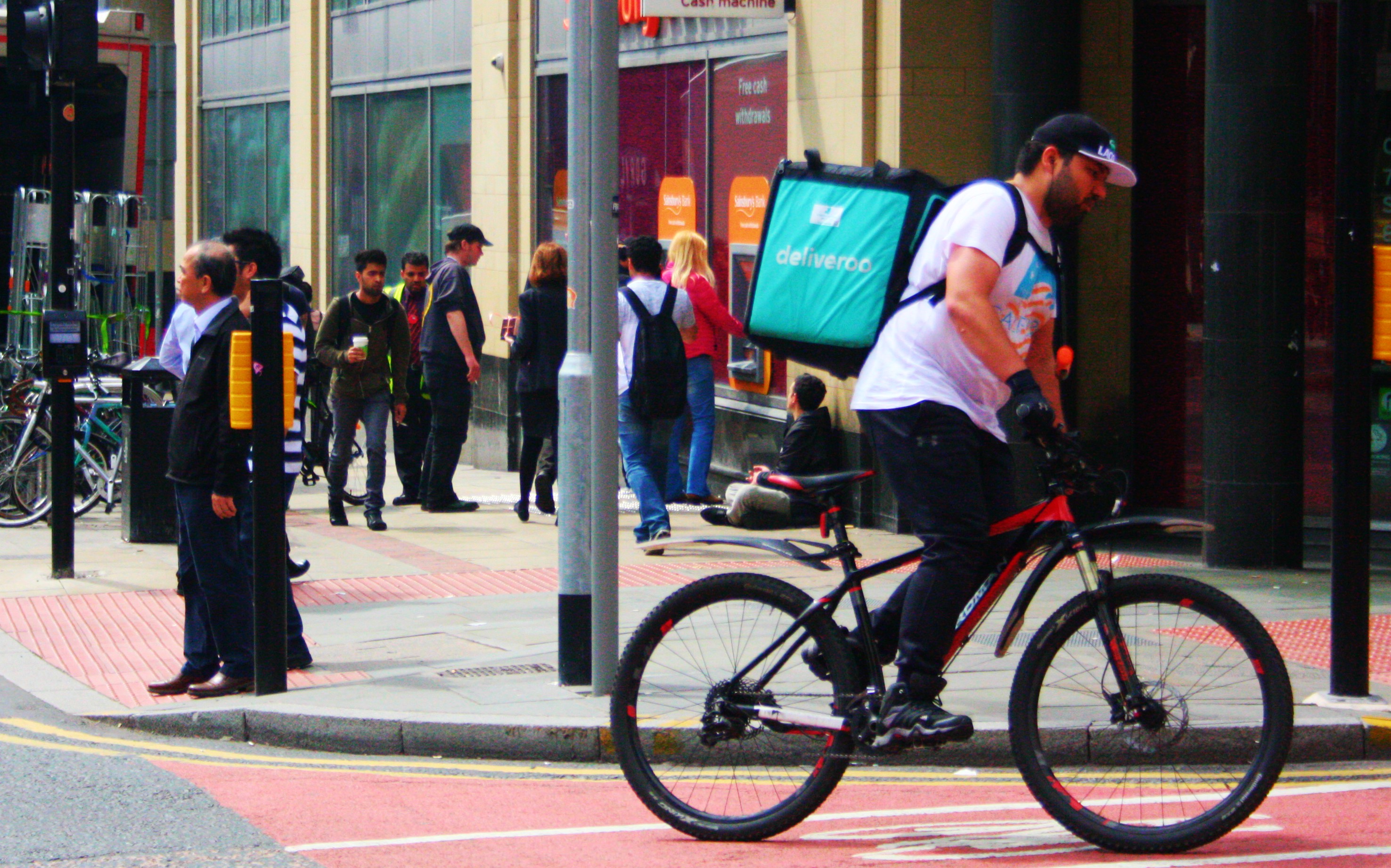
The gig economy works by connecting workers with clients through online platforms, often using algorithms to match workers with jobs. Platforms like TaskRabbit, Postmates, and DoorDash have made it easy for people to find work on their own terms, with companies like Walmart and Target also using gig economy models to fulfill delivery and logistics needs. However, the gig economy has also raised concerns about worker rights and benefits, with many workers lacking access to traditional employment benefits like health insurance and paid time off. Companies like Buffer and Basecamp have addressed these concerns by offering benefits and support to their freelance workers.
🌎 Cultural Impact
The gig economy has had a significant cultural impact, with many people choosing to work as freelancers or independent contractors rather than traditional employees. This shift has been driven in part by the rise of remote work, with companies like Zoom, Slack, and Trello making it easier for people to work from anywhere. The gig economy has also enabled the growth of new industries, such as the sharing economy, with companies like Lyft and Uber disrupting traditional transportation models. According to a report by PwC, the gig economy is expected to grow to $455 billion by 2025, with the number of gig workers increasing by 30% annually.
🔮 Legacy & Future
The future of the gig economy is uncertain, with many experts predicting that it will continue to grow and evolve in the coming years. Companies like Amazon and Google are investing heavily in gig economy platforms, with many predicting that the gig economy will become the dominant form of employment in the future. However, there are also concerns about the impact of the gig economy on worker rights and benefits, with many calling for greater regulation and protection for gig workers. As the gig economy continues to grow, it's likely that we'll see new innovations and developments, such as the use of blockchain technology to create more secure and transparent gig economy platforms, with companies like IBM and Microsoft already exploring this technology.
Key Facts
- Year
- 2009
- Origin
- United States
- Category
- technology
- Type
- concept
Frequently Asked Questions
What is the gig economy?
The gig economy refers to the economic system where workers engage in freelance and side-employment, often through online platforms. This system has been driven by the rise of companies like Uber, Airbnb, and Upwork, which have created new opportunities for people to work on their own terms. However, the gig economy has also raised concerns about worker rights and benefits, with many workers lacking access to traditional employment benefits like health insurance and paid time off.
How does the gig economy work?
The gig economy works by connecting workers with clients through online platforms, often using algorithms to match workers with jobs. Platforms like TaskRabbit, Postmates, and DoorDash have made it easy for people to find work on their own terms, with companies like Walmart and Target also using gig economy models to fulfill delivery and logistics needs. However, the gig economy has also raised concerns about worker rights and benefits, with many workers lacking access to traditional employment benefits like health insurance and paid time off.
What are the benefits of the gig economy?
The gig economy offers many benefits, including the ability to work on your own terms, flexibility, and autonomy. Many people choose to work in the gig economy because it allows them to pursue their passions and interests, and to have more control over their work-life balance. However, the gig economy also has its drawbacks, including the lack of traditional employment benefits and the potential for income instability. Companies like Buffer and Basecamp have addressed these concerns by offering benefits and support to their freelance workers.
What are the challenges of the gig economy?
The gig economy poses several challenges, including the lack of traditional employment benefits, income instability, and the potential for exploitation. Many workers in the gig economy lack access to health insurance, paid time off, and other benefits, and may struggle to make ends meet. However, companies like Amazon and Google are investing heavily in gig economy platforms, with many predicting that the gig economy will become the dominant form of employment in the future.
What is the future of the gig economy?
The future of the gig economy is uncertain, but many experts predict that it will continue to grow and evolve in the coming years. Companies like Amazon and Google are investing heavily in gig economy platforms, with many predicting that the gig economy will become the dominant form of employment in the future. However, there are also concerns about the impact of the gig economy on worker rights and benefits, with many calling for greater regulation and protection for gig workers. As the gig economy continues to grow, it's likely that we'll see new innovations and developments, such as the use of blockchain technology to create more secure and transparent gig economy platforms.