
Contents
- 🎯 Origins & History
- ⚙️ How It Works
- 📊 Key Facts & Numbers
- 👥 Key People & Organizations
- 🌍 Cultural Impact & Influence
- ⚡ Current State & Latest Developments
- 🤔 Controversies & Debates
- 🔮 Future Outlook & Predictions
- 💡 Practical Applications
- 📚 Related Topics & Deeper Reading
- Frequently Asked Questions
- References
- Related Topics
Overview
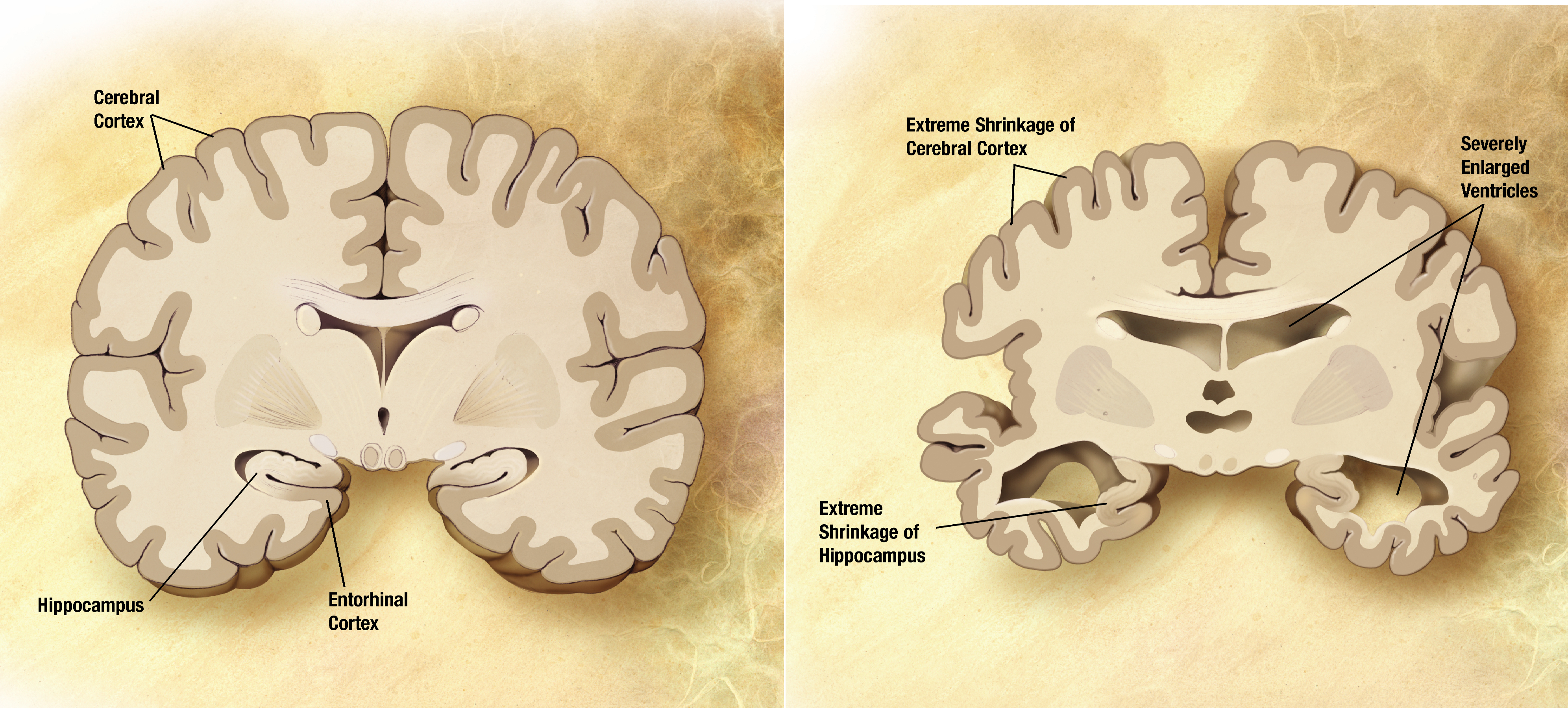
Neurodegenerative diseases, such as Alzheimer's, Parkinson's, and Huntington's, are characterized by the progressive loss of neurons, leading to irreversible damage and ultimately, neuronal death. With no known cure, these diseases affect millions worldwide, causing immense suffering and economic burden. Research has identified oxidative stress and inflammation as key contributing factors, and has revealed striking similarities between these diseases at the subcellular level, including atypical protein assemblies and induced cell death. As the global population ages, the prevalence of neurodegenerative diseases is expected to rise, making it imperative to understand the underlying mechanisms and develop effective therapeutic strategies. According to the World Health Organization (WHO), neurodegenerative diseases affect over 50 million people worldwide, with numbers projected to triple by 2050. The economic burden of these diseases is substantial, with estimated annual costs exceeding $1 trillion. Despite the challenges, researchers remain hopeful, with ongoing studies exploring innovative approaches, such as stem cell therapy and gene editing, to combat these devastating conditions.
🎯 Origins & History
The study of neurodegenerative diseases has a rich history, dating back to the early 20th century, when Alois Alzheimer first described the condition that would come to bear his name. Since then, researchers have made significant progress in understanding the underlying mechanisms of these diseases, including the role of tau protein and amyloid-beta in Alzheimer's disease. The discovery of the Parkinson's disease-associated protein alpha-synuclein has also shed light on the molecular basis of this condition. Today, researchers continue to explore new avenues, including the use of stem cells and gene editing to develop innovative therapeutic strategies.
⚙️ How It Works
Neurodegenerative diseases are characterized by the progressive loss of neurons, which can occur through various mechanisms, including oxidative stress, inflammation, and protein misfolding. The resulting damage can lead to a range of symptoms, from mild cognitive impairment to complete loss of motor function. Understanding the complex interplay between these mechanisms is crucial for the development of effective therapeutic strategies. Researchers have identified several key players, including mitochondria, autophagy, and epigenetics, which all contribute to the progression of neurodegenerative diseases.
📊 Key Facts & Numbers
The statistics surrounding neurodegenerative diseases are staggering, with over 50 million people worldwide affected by these conditions. According to the World Health Organization (WHO), the global prevalence of neurodegenerative diseases is expected to triple by 2050, with estimated annual costs exceeding $1 trillion. The economic burden of these diseases is substantial, with United States alone spending over $200 billion annually on Alzheimer's disease care. The human cost is equally devastating, with millions of families affected by these conditions, including Michael J. Fox, who has been a vocal advocate for Parkinson's disease research.
👥 Key People & Organizations
Several key people and organizations have made significant contributions to the field of neurodegenerative disease research, including James Watson and Francis Crick, who discovered the structure of DNA. The National Institutes of Health (NIH) has also played a crucial role in funding research into these diseases, with the Alzheimer's Association and the Michael J. Fox Foundation providing vital support for patients and families affected by these conditions. Additionally, researchers such as David Julius and linda Buck have made groundbreaking discoveries in the field of neurodegenerative diseases.
🌍 Cultural Impact & Influence
Neurodegenerative diseases have a profound impact on society, affecting not only the individuals diagnosed with these conditions but also their families and caregivers. The emotional and economic burden of these diseases is substantial, with many families struggling to cope with the demands of caregiving. The cultural impact of neurodegenerative diseases is also significant, with many artists, writers, and musicians affected by these conditions, including Robin Williams and Ronald Reagan. The Alzheimer's Association and other advocacy groups have worked tirelessly to raise awareness and promote research into these diseases, with events such as the Alzheimer's Walk and the Parkinson's Unity Walk.
⚡ Current State & Latest Developments
The current state of neurodegenerative disease research is one of rapid progress and innovation, with several promising therapeutic strategies in development, including stem cell therapy and gene editing. Researchers are also exploring new avenues, such as the use of artificial intelligence and machine learning to develop personalized treatment plans. The Food and Drug Administration (FDA) has approved several new treatments for neurodegenerative diseases in recent years, including aducanumab for Alzheimer's disease. However, much work remains to be done, with many challenges still to be overcome, including the development of effective diagnostic tools and the need for more funding for research.
🤔 Controversies & Debates
Despite the progress being made, there are several controversies and debates surrounding neurodegenerative disease research, including the use of animal models and the ethics of stem cell research. Some researchers have also raised concerns about the potential risks and benefits of gene editing technologies, such as CRISPR. The National Institutes of Health (NIH) has established guidelines for the use of these technologies, but the debate continues, with some arguing that the benefits outweigh the risks, while others express caution. Additionally, the role of environmental factors in the development of neurodegenerative diseases is still a topic of debate, with some researchers arguing that exposure to toxins and pollutants may contribute to the risk of developing these conditions.
🔮 Future Outlook & Predictions
The future outlook for neurodegenerative disease research is one of hope and optimism, with many promising therapeutic strategies in development. Researchers are exploring new avenues, such as the use of nanotechnology and synthetic biology, to develop innovative treatments. The Alzheimer's Association and other advocacy groups are working tirelessly to promote research and raise awareness, with events such as the Alzheimer's Walk and the Parkinson's Unity Walk. While there is still much work to be done, the progress being made is significant, and many researchers believe that a cure for these diseases may be within reach. According to a recent study published in the Journal of Neuroscience, researchers have identified a potential new target for the treatment of Alzheimer's disease, which could lead to the development of more effective therapies.
💡 Practical Applications
The practical applications of neurodegenerative disease research are numerous, with many potential benefits for patients and families affected by these conditions. Researchers are working to develop new diagnostic tools, such as biomarkers and imaging techniques, to improve early detection and diagnosis. The development of effective therapeutic strategies, such as stem cell therapy and gene editing, could also lead to improved treatment options. Additionally, researchers are exploring new ways to prevent or slow the progression of neurodegenerative diseases, such as through the use of lifestyle interventions and nutritional therapies.
Key Facts
- Year
- 2020
- Origin
- Global
- Category
- science
- Type
- concept
Frequently Asked Questions
What is the current state of neurodegenerative disease research?
The current state of neurodegenerative disease research is one of rapid progress and innovation, with several promising therapeutic strategies in development, including stem cell therapy and gene editing. Researchers are also exploring new avenues, such as the use of artificial intelligence and machine learning to develop personalized treatment plans.
What are the most common neurodegenerative diseases?
The most common neurodegenerative diseases include Alzheimer's disease, Parkinson's disease, and Huntington's disease. These conditions are characterized by the progressive loss of neurons, leading to irreversible damage and ultimately, neuronal death.
What are the key contributing factors to neurodegeneration?
The key contributing factors to neurodegeneration include oxidative stress and inflammation. Research has also revealed similarities between these diseases at the subcellular level, including atypical protein assemblies and induced cell death.
What is the economic burden of neurodegenerative diseases?
The economic burden of neurodegenerative diseases is substantial, with estimated annual costs exceeding $1 trillion. The human cost is equally devastating, with millions of families affected by these conditions.
What are the potential therapeutic strategies for neurodegenerative diseases?
The potential therapeutic strategies for neurodegenerative diseases include stem cell therapy, gene editing, and lifestyle interventions. Researchers are also exploring new avenues, such as the use of nanotechnology and synthetic biology, to develop innovative treatments.
What is the future outlook for neurodegenerative disease research?
The future outlook for neurodegenerative disease research is one of hope and optimism, with many promising therapeutic strategies in development. Researchers are exploring new avenues, such as the use of artificial intelligence and machine learning, to develop personalized treatment plans.
How can I get involved in neurodegenerative disease research?
There are several ways to get involved in neurodegenerative disease research, including participating in clinical trials, donating to research organizations, and spreading awareness about these conditions. You can also support advocacy groups, such as the Alzheimer's Association and the Michael J. Fox Foundation, which work tirelessly to promote research and raise awareness.
What are the latest developments in neurodegenerative disease research?
The latest developments in neurodegenerative disease research include the approval of new treatments, such as aducanumab, and the development of innovative therapeutic strategies, such as stem cell therapy and gene editing. Researchers are also exploring new avenues, such as the use of artificial intelligence and machine learning, to develop personalized treatment plans.