
Contents
Overview
Inflammation has been a subject of interest in the medical community for centuries, with ancient Greek physician Hippocrates describing it as a natural response to injury. The term 'inflammation' itself was coined by Roman physician Galen, who recognized it as a distinct process. Today, researchers like Dr. Francis Collins, the director of the National Institutes of Health, continue to study inflammation and its role in various diseases, including Alzheimer's disease and Parkinson's disease.
⚙️ How It Works
The inflammatory response is a complex process involving multiple cell types, including neutrophils, macrophages, and lymphocytes. These cells work together to eliminate the initial cause of cell injury, clear out damaged cells and tissues, and initiate tissue repair. The process is mediated by various molecular mediators, such as cytokines and chemokines, which are produced by immune cells and other cells in the body. Companies like Pfizer and Johnson & Johnson are working to develop new treatments that target these molecular mediators, such as biologics and small molecule inhibitors.
🌎 Cultural Impact
Inflammation has a significant impact on our daily lives, from the way we exercise to the food we eat. Chronic inflammation, in particular, has been linked to various diseases, including heart disease and stroke. The American Heart Association recommends a healthy diet and regular exercise to reduce the risk of chronic inflammation. Additionally, researchers are exploring the role of inflammation in mental health, including depression and anxiety.
🔮 Legacy & Future
As our understanding of inflammation continues to evolve, it is likely that new treatments and therapies will emerge. For example, researchers are exploring the use of stem cells to repair damaged tissues and reduce inflammation. Companies like Gilead Sciences and Regeneron Pharmaceuticals are working to develop new treatments that target specific molecular mediators involved in inflammation. The future of inflammation research holds much promise, with potential applications in fields such as regenerative medicine and personalized medicine.
Key Facts
- Year
- 2010
- Origin
- Ancient Greece
- Category
- science
- Type
- concept
Frequently Asked Questions
What is inflammation?
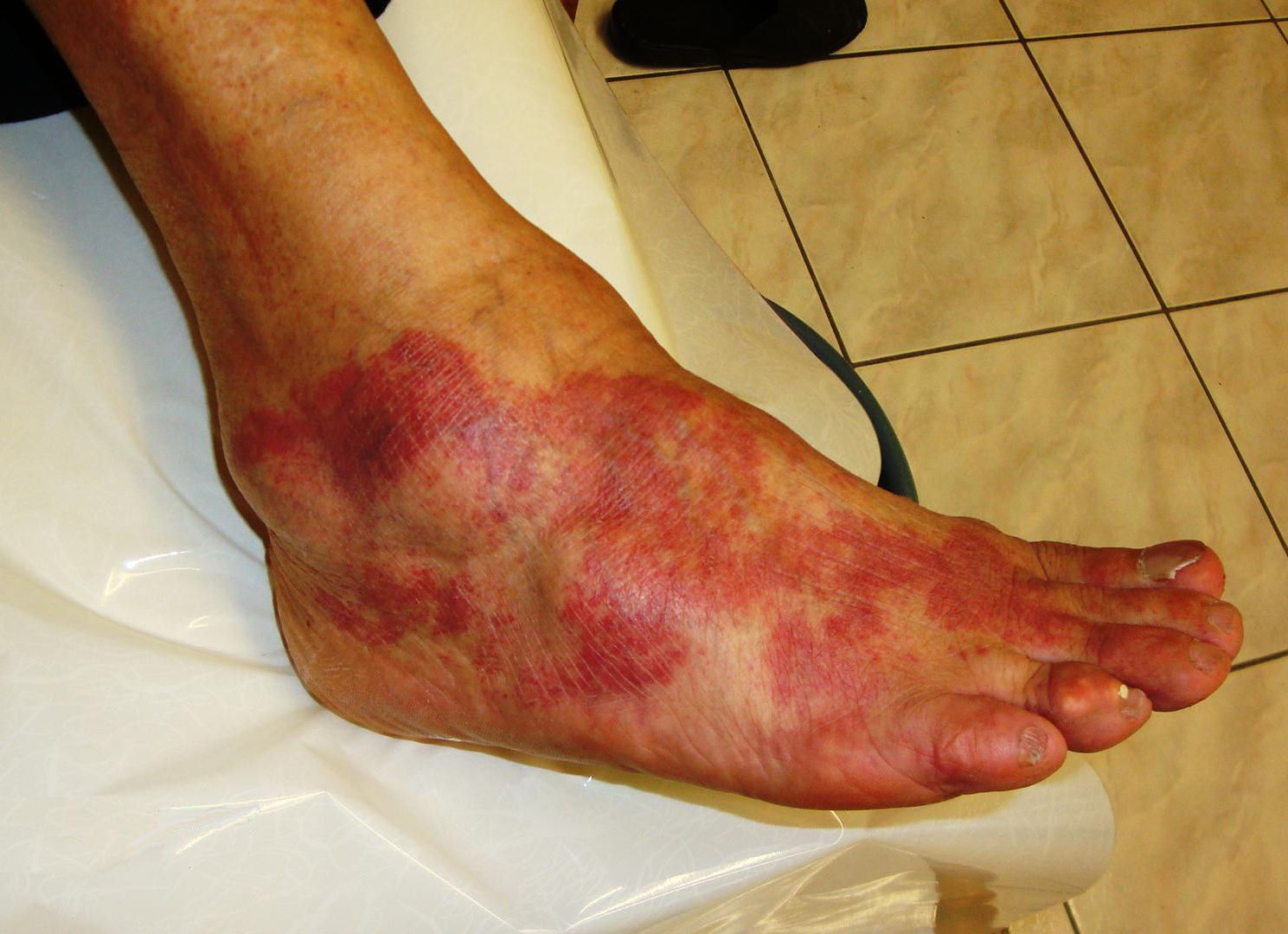
Inflammation is a natural response to injury or infection, characterized by the five cardinal signs of heat, pain, redness, swelling, and loss of function. It involves immune cells, blood vessels, and molecular mediators, and is a protective mechanism by the organism to remove the injurious stimuli and initiate the healing process. Researchers like Dr. Francis Collins are working to understand the complex process of inflammation and its role in various diseases.
What are the causes of inflammation?
Inflammation can be caused by a broad range of stimuli, including physical trauma, pathogens, irritants, toxins, overuse, autoimmunity, allergens, and foreign bodies. For example, bacteria and viruses can cause inflammation, as well as pollution and smoking. Companies like Johnson & Johnson are working to develop new treatments that target the underlying causes of inflammation.
How can inflammation be treated?
Inflammation can be treated with a variety of methods, including medication, lifestyle changes, and alternative therapies. For example, NSAIDs and corticosteroids can be used to reduce inflammation, while exercise and nutrition can help to prevent chronic inflammation. Researchers are also exploring the use of stem cells and gene therapy to treat inflammation.
What are the consequences of chronic inflammation?
Chronic inflammation can lead to various diseases, including heart disease, diabetes, and cancer. It can also contribute to mental health disorders, such as depression and anxiety. The American Heart Association recommends a healthy diet and regular exercise to reduce the risk of chronic inflammation.
How can inflammation be prevented?
Inflammation can be prevented by maintaining a healthy lifestyle, including a balanced diet, regular exercise, and adequate sleep. Additionally, avoiding smoking and pollution can help to reduce the risk of inflammation. Researchers are also exploring the use of probiotics and omega-3 fatty acids to prevent inflammation.