
Contents
- 🌟 Introduction to Autophagy
- 🔬 The Mechanism of Autophagy
- 📈 Role of Autophagy in Cellular Homeostasis
- 🚫 Defects in Autophagy and Human Diseases
- 🎯 Autophagy and Neurodegeneration
- 👀 Autophagy and Cancer
- 💡 Modulating Autophagy for Therapeutic Benefits
- 🔍 Current Research and Future Directions
- 📊 Autophagy-Related Diseases and Disorders
- 👥 Key Players in Autophagy Research
- 📚 Autophagy in Various Organisms
- 🔜 Conclusion and Future Prospects
- Frequently Asked Questions
- Related Topics
Overview
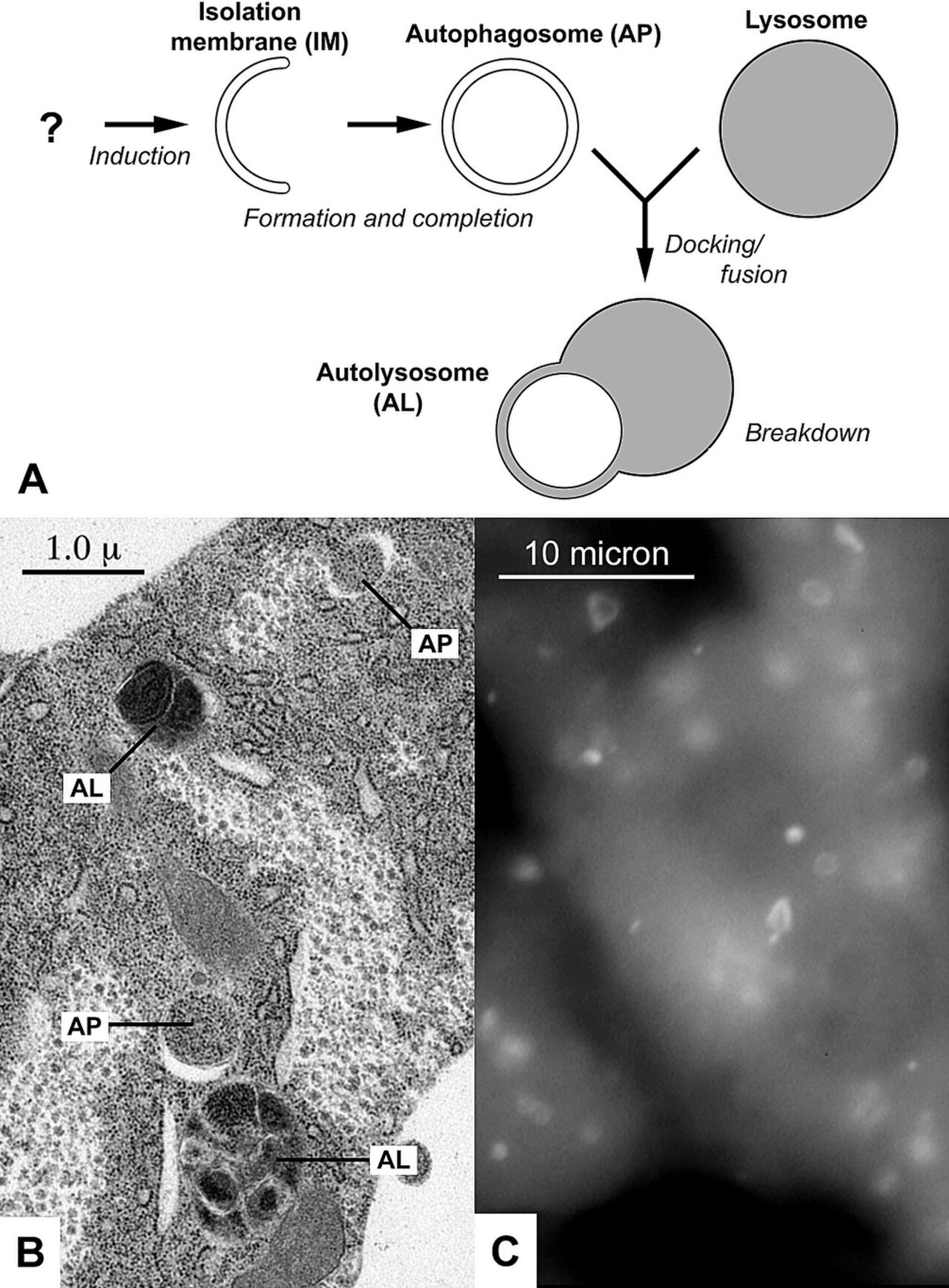
Autophagy, a term coined by Christian de Duve in 1963, refers to the cellular process by which cells recycle and remove damaged or dysfunctional components, such as proteins and organelles. This self-digestive process is crucial for maintaining cellular homeostasis and has been implicated in various diseases, including cancer, neurodegenerative disorders, and infectious diseases. The autophagic pathway involves the formation of double-membraned vesicles called autophagosomes, which engulf and deliver damaged cellular components to lysosomes for degradation. Research has shown that autophagy plays a key role in promoting cellular survival and preventing disease, with notable scientists such as Yoshinori Ohsumi contributing to our understanding of this complex process. With a vibe score of 8, autophagy has garnered significant attention in recent years, particularly in the context of aging and age-related diseases. As our understanding of autophagy continues to evolve, it is likely to have a significant impact on the development of novel therapeutic strategies for various diseases, with potential applications in fields such as medicine and biotechnology, influencing entities like the National Institutes of Health and the pharmaceutical industry.
🌟 Introduction to Autophagy
Autophagy is a vital cellular process that has gained significant attention in recent years due to its role in maintaining cellular homeostasis and its potential as a therapeutic target for various diseases. As explained in Autophagy, it is a natural, conserved degradation mechanism that removes unnecessary or dysfunctional components from cells. This process is essential for the survival of cells, especially during times of stress or starvation. For instance, Cellular Stress can trigger autophagy, which helps cells to recycle damaged or dysfunctional components and maintain their overall health. Furthermore, Cellular Homeostasis is crucial for the proper functioning of cells, and autophagy plays a key role in maintaining this balance.
🔬 The Mechanism of Autophagy
The mechanism of autophagy involves the formation of autophagosomes, which are double-membraned vesicles that engulf and deliver cellular components to lysosomes for degradation. As discussed in Autophagosome, this process is regulated by a complex interplay of signaling pathways, including the mTOR pathway. The Lysosome is a crucial organelle involved in autophagy, as it provides the acidic environment necessary for the degradation of cellular components. Additionally, Autophagy-related genes play a vital role in regulating this process.
📈 Role of Autophagy in Cellular Homeostasis
Autophagy plays a major role in maintaining cellular homeostasis, even in non-starved cells. As explained in Cellular Homeostasis, it helps to remove damaged or dysfunctional cellular components, such as Protein Aggregates and Damaged Mitochondria. This process is essential for maintaining the overall health and function of cells. For example, Mitochondrial Function is crucial for energy production in cells, and autophagy helps to maintain the health of mitochondria. Moreover, Cellular Recycling is an important aspect of autophagy, as it allows cells to recycle damaged or dysfunctional components and maintain their overall health.
🚫 Defects in Autophagy and Human Diseases
Defects in autophagy have been linked to various human diseases, including Neurodegenerative Diseases and Cancer. As discussed in Autophagy and Disease, impaired autophagy can lead to the accumulation of damaged or dysfunctional cellular components, which can contribute to the development of these diseases. For instance, Alzheimer's Disease is characterized by the accumulation of Amyloid Beta plaques, which can be removed through autophagy. Furthermore, Parkinson's Disease is characterized by the accumulation of Lewy Bodies, which can also be removed through autophagy.
🎯 Autophagy and Neurodegeneration
Autophagy has been implicated in the pathogenesis of neurodegenerative diseases, such as Alzheimer's Disease and Parkinson's Disease. As explained in Autophagy and Neurodegeneration, impaired autophagy can lead to the accumulation of damaged or dysfunctional cellular components, which can contribute to the development of these diseases. For example, Tau Protein is a key component of Neurofibrillary Tangles, which are characteristic of Alzheimer's disease. Moreover, Alpha Synuclein is a key component of Lewy Bodies, which are characteristic of Parkinson's disease.
👀 Autophagy and Cancer
Autophagy also plays a role in the development and progression of cancer. As discussed in Autophagy and Cancer, cancer cells can exploit autophagy to survive and thrive in stressful environments. For instance, Cancer Stem Cells can use autophagy to maintain their stem cell properties and promote tumor growth. Furthermore, Tumor Microenvironment can influence the autophagic activity of cancer cells, which can impact tumor progression and treatment outcomes.
💡 Modulating Autophagy for Therapeutic Benefits
Modulating autophagy has emerged as a potential therapeutic strategy for various diseases, including neurodegenerative diseases and cancer. As explained in Autophagy Modulation, targeting autophagy-related pathways can help to remove damaged or dysfunctional cellular components and promote cellular health. For example, Rapamycin is an mTOR inhibitor that can induce autophagy and promote cellular health. Moreover, Resveratrol is a natural compound that can induce autophagy and promote cellular health.
🔍 Current Research and Future Directions
Current research is focused on understanding the mechanisms of autophagy and its role in various diseases. As discussed in Autophagy Research, researchers are using various models and techniques to study autophagy, including Cell Culture and Animal Models. For instance, Drosophila Melanogaster is a popular model organism for studying autophagy. Furthermore, CRISPR-Cas9 is a powerful tool for editing genes involved in autophagy.
👥 Key Players in Autophagy Research
Several key players have made significant contributions to our understanding of autophagy. As discussed in Autophagy Researchers, researchers such as Yoshinori Ohsumi have elucidated the mechanisms of autophagy and its role in various diseases. For instance, Ohsumi was awarded the Nobel Prize in Physiology or Medicine in 2016 for his discovery of autophagy-related genes. Moreover, David Rubinsztein is a prominent researcher who has made significant contributions to our understanding of autophagy and its role in neurodegenerative diseases.
📚 Autophagy in Various Organisms
Autophagy is a conserved process that occurs in various organisms, from yeast to humans. As explained in Autophagy in Organisms, autophagy plays a vital role in maintaining cellular homeostasis and promoting cellular health. For example, Saccharomyces Cerevisiae is a popular model organism for studying autophagy. Furthermore, Caenorhabditis Elegans is a popular model organism for studying autophagy and its role in development and aging.
🔜 Conclusion and Future Prospects
In conclusion, autophagy is a vital cellular process that plays a crucial role in maintaining cellular homeostasis and promoting cellular health. As discussed in Autophagy and Health, impaired autophagy can lead to various diseases, including neurodegenerative diseases and cancer. Further research is needed to understand the mechanisms of autophagy and its role in various diseases, and to develop effective therapeutic strategies for modulating autophagy.
Key Facts
- Year
- 1963
- Origin
- Christian de Duve
- Category
- Biology
- Type
- Biological Process
Frequently Asked Questions
What is autophagy?
Autophagy is a natural, conserved degradation mechanism that removes unnecessary or dysfunctional components from cells. It plays a vital role in maintaining cellular homeostasis and promoting cellular health. As explained in Autophagy, it is a complex process that involves the formation of autophagosomes and the delivery of cellular components to lysosomes for degradation. For instance, Cellular Stress can trigger autophagy, which helps cells to recycle damaged or dysfunctional components and maintain their overall health.
What is the role of autophagy in cellular homeostasis?
Autophagy plays a major role in maintaining cellular homeostasis by removing damaged or dysfunctional cellular components. As discussed in Cellular Homeostasis, it helps to maintain the overall health and function of cells. For example, Mitochondrial Function is crucial for energy production in cells, and autophagy helps to maintain the health of mitochondria. Moreover, Cellular Recycling is an important aspect of autophagy, as it allows cells to recycle damaged or dysfunctional components and maintain their overall health.
What are the consequences of impaired autophagy?
Impaired autophagy can lead to various diseases, including neurodegenerative diseases and cancer. As explained in Autophagy and Disease, impaired autophagy can lead to the accumulation of damaged or dysfunctional cellular components, which can contribute to the development of these diseases. For instance, Alzheimer's Disease is characterized by the accumulation of Amyloid Beta plaques, which can be removed through autophagy. Furthermore, Parkinson's Disease is characterized by the accumulation of Lewy Bodies, which can also be removed through autophagy.
Can autophagy be modulated for therapeutic benefits?
Yes, modulating autophagy has emerged as a potential therapeutic strategy for various diseases, including neurodegenerative diseases and cancer. As discussed in Autophagy Modulation, targeting autophagy-related pathways can help to remove damaged or dysfunctional cellular components and promote cellular health. For example, Rapamycin is an mTOR inhibitor that can induce autophagy and promote cellular health. Moreover, Resveratrol is a natural compound that can induce autophagy and promote cellular health.
What are the current research directions in autophagy?
Current research is focused on understanding the mechanisms of autophagy and its role in various diseases. As explained in Autophagy Research, researchers are using various models and techniques to study autophagy, including Cell Culture and Animal Models. For instance, Drosophila Melanogaster is a popular model organism for studying autophagy. Furthermore, CRISPR-Cas9 is a powerful tool for editing genes involved in autophagy.
Who are the key players in autophagy research?
Several key players have made significant contributions to our understanding of autophagy. As discussed in Autophagy Researchers, researchers such as Yoshinori Ohsumi have elucidated the mechanisms of autophagy and its role in various diseases. For instance, Ohsumi was awarded the Nobel Prize in Physiology or Medicine in 2016 for his discovery of autophagy-related genes. Moreover, David Rubinsztein is a prominent researcher who has made significant contributions to our understanding of autophagy and its role in neurodegenerative diseases.
What is the significance of autophagy in various organisms?
Autophagy is a conserved process that occurs in various organisms, from yeast to humans. As explained in Autophagy in Organisms, autophagy plays a vital role in maintaining cellular homeostasis and promoting cellular health. For example, Saccharomyces Cerevisiae is a popular model organism for studying autophagy. Furthermore, Caenorhabditis Elegans is a popular model organism for studying autophagy and its role in development and aging.