
Contents
- 🌿 Origins & History
- ⚙️ How It Works
- 📊 Key Facts & Numbers
- 👥 Key People & Organizations
- 🌍 Cultural Impact & Influence
- ⚡ Current State & Latest Developments
- 🤔 Controversies & Debates
- 🔮 Future Outlook & Predictions
- 💡 Practical Applications
- 📚 Related Topics & Deeper Reading
- Frequently Asked Questions
- References
- Related Topics
Overview
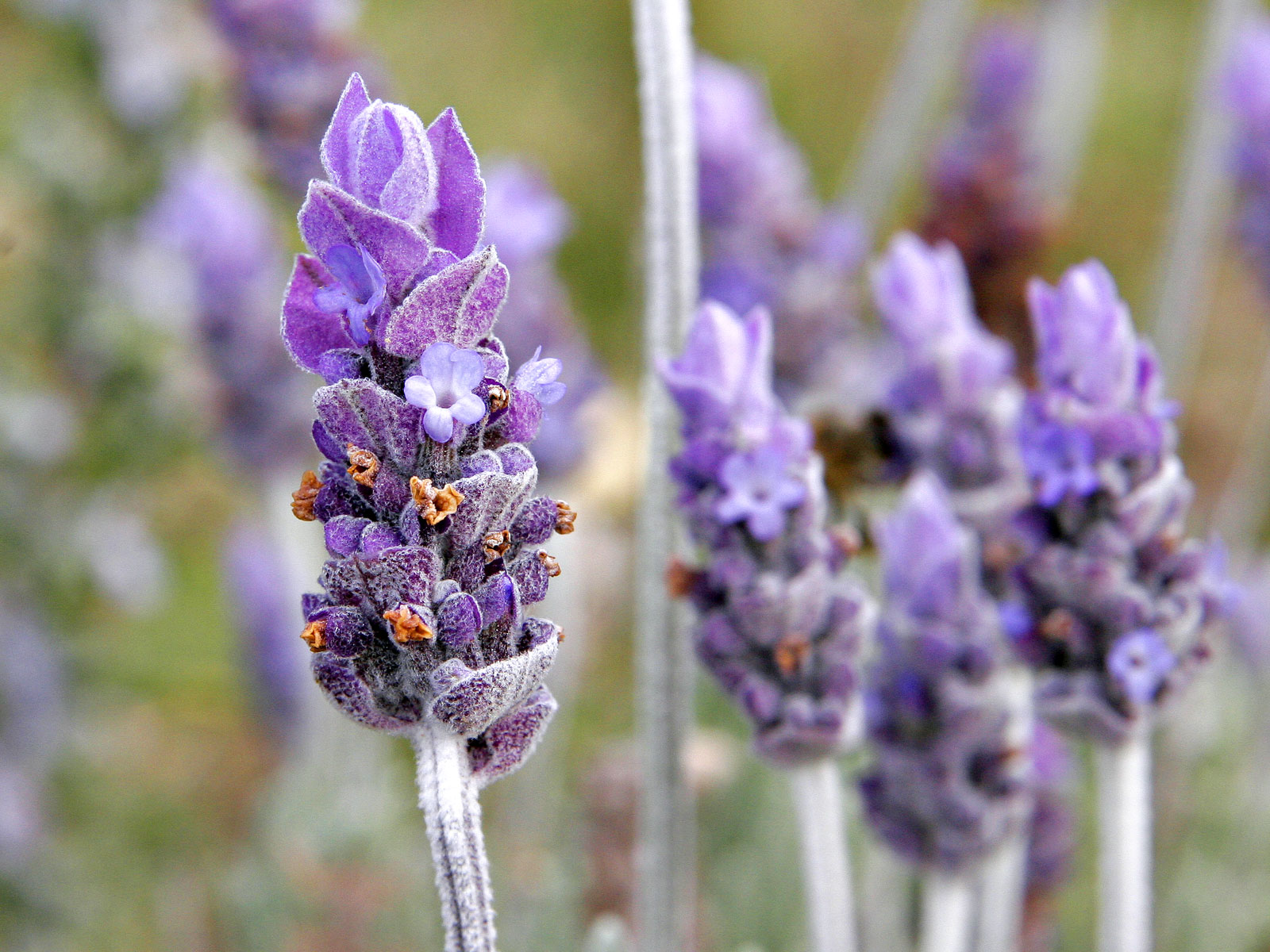
Lavender, a genus of 47 known species of perennial flowering plants in the Lamiaceae family, has been a cornerstone of traditional medicine, culinary practices, and ornamental gardening for centuries. Native to the Old World, primarily the Mediterranean region, lavender is cultivated extensively in temperate climates for its essential oils, used in aromatherapy, cosmetics, and as a flavoring agent. With a history dating back to ancient civilizations, including the Egyptians, Greeks, and Romans, who valued its therapeutic and spiritual properties, lavender continues to influence modern practices, from essential oil therapy to organic farming. Today, lavender is not only a popular ingredient in natural cosmetics and herbal medicine but also a symbol of calmness, serenity, and wellness, with a growing demand for sustainable and eco-friendly lavender products. As research into its benefits expands, lavender's significance extends beyond its aesthetic and therapeutic value, playing a role in bee conservation and sustainable agriculture. With its vast array of species, including English lavender and French lavender, each with unique characteristics and uses, lavender's impact on human culture and the environment is multifaceted and profound.
🌿 Origins & History
Lavender's history dates back to ancient civilizations, with evidence of its use found in Egyptian medicine and Greek herbalism. The Egyptians used lavender for its therapeutic and spiritual properties, while the Greeks and Romans valued it for its calming effects. Today, lavender is still used in traditional medicine, particularly in Ayurvedic medicine and Traditional Chinese Medicine. The genus Lavandula is believed to have originated in the Mediterranean region, with many species still found in the wild across the Mediterranean coastline.
⚙️ How It Works
Lavender's essential oils are extracted through a process of steam distillation, which involves heating the plant material to release its fragrant compounds. The resulting oil is highly concentrated and can be used in a variety of applications, from aromatherapy to perfumery. Lavender oil is known for its calming and relaxing properties, making it a popular ingredient in natural cosmetics and herbal medicine. Companies like doTERRA and Young Living have popularized the use of lavender oil in modern wellness practices.
📊 Key Facts & Numbers
There are approximately 47 known species of lavender, with many more hybrids and cultivars. Lavender is a low-maintenance, drought-tolerant plant that can thrive in a variety of conditions, making it a popular choice for organic farming and permaculture. The global lavender market is valued at over $1.4 billion, with the majority of production coming from countries like France, Bulgaria, and United States. Lavender is also a popular ingredient in culinary arts, with many chefs using it to add flavor and fragrance to dishes.
👥 Key People & Organizations
Key people in the history of lavender include Dioscorides, a Greek physician who wrote extensively on the plant's medicinal properties, and John Gerard, an English herbalist who introduced lavender to European gardens. Today, organizations like the Lavender Farmers Association and the International Herb Association work to promote sustainable lavender farming practices and support research into the plant's benefits. Companies like The Body Shop and L'Occitane have also played a significant role in popularizing lavender-based products.
🌍 Cultural Impact & Influence
Lavender has had a profound impact on human culture, particularly in the realm of wellness and self-care. The plant's calming and relaxing properties have made it a staple in mindfulness practices and yoga. Lavender is also a popular ingredient in natural cosmetics, with many companies using it in skincare products and fragrances. The influence of lavender can be seen in various art forms, including floral arranging and perfume making.
⚡ Current State & Latest Developments
Currently, the lavender industry is experiencing a surge in demand, driven by the growing interest in natural and sustainable products. The COVID-19 pandemic has also accelerated the trend towards self-care and wellness, with many people turning to lavender as a natural remedy for stress and anxiety. As a result, companies like Calm and Headspace are incorporating lavender into their mindfulness and meditation products. However, the increased demand has also raised concerns about the environmental impact of large-scale lavender farming, particularly in terms of water conservation and soil degradation.
🤔 Controversies & Debates
One of the main controversies surrounding lavender is its potential impact on the environment. Large-scale lavender farming can lead to water pollution and soil erosion, particularly if sustainable practices are not implemented. Additionally, the increasing demand for lavender has led to concerns about over-harvesting and the potential extinction of certain species. However, many organizations and companies are working to address these issues, promoting sustainable lavender farming practices and supporting research into the plant's benefits.
🔮 Future Outlook & Predictions
Looking to the future, lavender is likely to continue playing a significant role in the wellness and self-care industries. As research into its benefits expands, we can expect to see new and innovative products incorporating lavender, from CBD products to functional foods. The growing demand for sustainable and eco-friendly products will also drive the development of more environmentally friendly lavender farming practices, such as regenerative agriculture and agroforestry. Companies like Patagonia and Reformation are already incorporating sustainable lavender into their products and supply chains.
💡 Practical Applications
Practically, lavender can be used in a variety of ways, from aromatherapy to culinary arts. It can be added to herbal teas for a calming and relaxing effect, or used as a flavoring agent in baking and cooking. Lavender is also a popular ingredient in natural cosmetics, particularly in skincare products and fragrances. For those interested in growing their own lavender, there are many resources available, including gardening books and online courses.
Key Facts
- Year
- 1000 BCE
- Origin
- Mediterranean region
- Category
- nature
- Type
- plant
Frequently Asked Questions
What are the benefits of lavender?
Lavender has been shown to have a calming and relaxing effect, and is often used in aromatherapy and traditional medicine. It is also a popular ingredient in natural cosmetics and skincare products. According to a study published in the Journal of Alternative and Complementary Medicine, lavender oil can reduce anxiety and improve sleep quality.
How is lavender used in traditional medicine?
Lavender has been used in traditional medicine for centuries, particularly in Ayurvedic and Traditional Chinese Medicine. It is often used to treat anxiety, insomnia, and digestive issues. The World Health Organization has recognized the potential benefits of lavender in traditional medicine, and has published guidelines for its use.
What are the potential risks of lavender?
While lavender is generally considered safe, it can cause skin irritation and allergic reactions in some individuals. It is also important to note that lavender can interact with certain medications, such as blood thinners and antidepressants. According to the National Institute of Health, lavender oil can also cause drowsiness and should not be used while operating heavy machinery.
How can I grow my own lavender?
Lavender is a relatively low-maintenance plant that can thrive in a variety of conditions. It prefers well-drained soil and full sun, and can be grown in containers or in the ground. There are many resources available for growing lavender, including gardening books and online courses. The University of California has also published a guide to growing lavender, which provides tips on soil preparation, watering, and pruning.
What are some related topics to lavender?
Related topics to lavender include herbalism, aromatherapy, and natural cosmetics. For those interested in learning more about the history and benefits of lavender, there are many resources available, including books on lavender and documentaries. The New York Botanical Garden has also published a comprehensive guide to lavender, which covers its history, cultivation, and uses.
What is the current state of the lavender industry?
The lavender industry is currently experiencing a surge in demand, driven by the growing interest in natural and sustainable products. The COVID-19 pandemic has also accelerated the trend towards self-care and wellness, with many people turning to lavender as a natural remedy for stress and anxiety. According to a report by the Market Research Firm, the global lavender market is expected to reach $2.5 billion by 2025.
What are the potential applications of lavender in the future?
Looking to the future, lavender is likely to continue playing a significant role in the wellness and self-care industries. As research into its benefits expands, we can expect to see new and innovative products incorporating lavender, from CBD products to functional foods. The growing demand for sustainable and eco-friendly products will also drive the development of more environmentally friendly lavender farming practices, such as regenerative agriculture and agroforestry.