
Contents
Overview
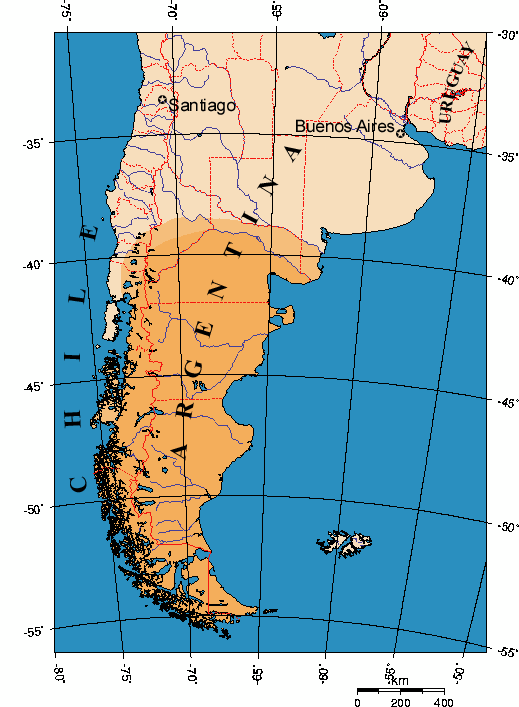
Patagonia is bounded by the Pacific Ocean to the west, the Atlantic Ocean to the east, and several waterways that connect them, including the Strait of Magellan, the Beagle Channel, and the Drake Passage to the south. The region's geography is characterized by the southern portion of the Andes mountain range, featuring lakes, fjords, temperate rainforests, and glaciers in the west, and deserts, tablelands, and steppes toward the east. As described by Charles Darwin during his voyage on the HMS Beagle, the region's unique landscape is a result of millions of years of tectonic activity and glaciation. The northern limit of the region is not precisely defined, but the Colorado and Barrancas rivers, which run from the Andes to the Atlantic, are commonly considered the northern limit of Argentine Patagonia, as noted by Juan Manuel de Rosas, a key figure in the region's history.
🌟 History of Exploration
The history of Patagonia is marked by the interactions of indigenous communities, European settlers, and the harsh environment. The region was first inhabited by indigenous peoples, such as the Tehuelche and the Mapuche, who developed a rich cultural heritage and a deep understanding of the land. The arrival of European explorers, including Fernando Magellan and James Cook, marked the beginning of a new era in the region's history, as described in the accounts of Antoine de Bougainville. The region's unique cultural heritage is also reflected in the works of writers such as Bruce Chatwin, who traveled extensively in Patagonia and wrote about its people and landscapes.
🏞️ Natural Wonders
Patagonia is home to a wide range of flora and fauna, including the iconic llama and the endangered huemul. The region's natural wonders, such as the Perito Moreno Glacier and the Torres del Paine national park, attract tourists and scientists from around the world. The region's unique biodiversity is also reflected in the presence of pumas, guanacos, and condors, as documented by conservation organizations such as the World Wildlife Fund. As noted by Douglas Tompkins, a conservationist who worked in the region, Patagonia's natural beauty and biodiversity make it a unique and valuable resource.
🌍 Cultural Heritage
The cultural heritage of Patagonia is shaped by the interactions of indigenous communities, European settlers, and the harsh environment. The region is home to a number of small towns and villages, such as Ushuaia and El Chaltén, which offer a glimpse into the region's unique culture and history. The region's cultural heritage is also reflected in its cuisine, which features a mix of indigenous, Spanish, and Italian influences, as seen in the traditional dishes of Argentine cuisine and Chilean cuisine. As described by Pablo Neruda, the region's cultural heritage is a rich and complex tapestry, woven from the threads of history, geography, and human experience.
Key Facts
- Year
- 1520
- Origin
- South America
- Category
- nature
- Type
- place
Frequently Asked Questions
What is the geography of Patagonia like?
Patagonia is characterized by the southern portion of the Andes mountain range, featuring lakes, fjords, temperate rainforests, and glaciers in the west, and deserts, tablelands, and steppes toward the east. The region is bounded by the Pacific Ocean to the west, the Atlantic Ocean to the east, and several waterways that connect them, including the Strait of Magellan, the Beagle Channel, and the Drake Passage to the south. As described by Charles Darwin, the region's unique landscape is a result of millions of years of tectonic activity and glaciation.
Who were the first inhabitants of Patagonia?
The first inhabitants of Patagonia were indigenous peoples, such as the Tehuelche and the Mapuche, who developed a rich cultural heritage and a deep understanding of the land. The arrival of European explorers, including Fernando Magellan and James Cook, marked the beginning of a new era in the region's history, as described in the accounts of Antoine de Bougainville.
What are some of the natural wonders of Patagonia?
Patagonia is home to a wide range of natural wonders, including the iconic Perito Moreno Glacier and the Torres del Paine national park. The region's unique biodiversity is also reflected in the presence of pumas, guanacos, and condors, as documented by conservation organizations such as the World Wildlife Fund.
What is the cultural heritage of Patagonia like?
The cultural heritage of Patagonia is shaped by the interactions of indigenous communities, European settlers, and the harsh environment. The region is home to a number of small towns and villages, such as Ushuaia and El Chaltén, which offer a glimpse into the region's unique culture and history. The region's cultural heritage is also reflected in its cuisine, which features a mix of indigenous, Spanish, and Italian influences, as seen in the traditional dishes of Argentine cuisine and Chilean cuisine.
What are some of the challenges facing Patagonia today?
Patagonia faces a number of challenges, including conservation vs. development, indigenous rights and cultural heritage, and tourism and environmental impact. The region's unique biodiversity and natural wonders make it a valuable resource, but also create challenges for conservation and management, as noted by Douglas Tompkins, a conservationist who worked in the region.