
Contents
Overview
Organic farming, also known as organic agriculture or ecological farming, is an agricultural system that emphasizes the use of naturally occurring, non-synthetic inputs, such as compost manure, green manure, and bone meal. This approach has been influenced by pioneers like Rudolf Steiner, who developed the concept of biodynamic farming, and has been supported by organizations like the International Federation of Organic Agriculture Movements (IFOAM) and the US Department of Agriculture's (USDA) National Organic Program. Companies like Whole Foods Market and Patagonia have also played a significant role in promoting organic farming practices, while researchers like Vandana Shiva and Wes Jackson have contributed to the development of sustainable agriculture. Additionally, initiatives like the Organic Farming Research Foundation and the National Organic Coalition have worked to advance the organic farming movement.
🌿 History and Development
The history of organic farming dates back to the early 20th century, when farmers and researchers began to question the use of synthetic fertilizers and pesticides in agriculture. This movement was influenced by the work of scientists like Albert Howard and Lady Eve Balfour, who advocated for a more holistic approach to farming. The development of organic farming was also shaped by the work of organizations like the Soil Association and the Rodale Institute, which have worked to promote sustainable agriculture practices. Today, organic farming is practiced by farmers around the world, from small-scale operations like those supported by the non-profit organization, Farm Aid, to large-scale commercial farms like those owned by companies like General Mills and Danone.
🌻 Principles and Practices
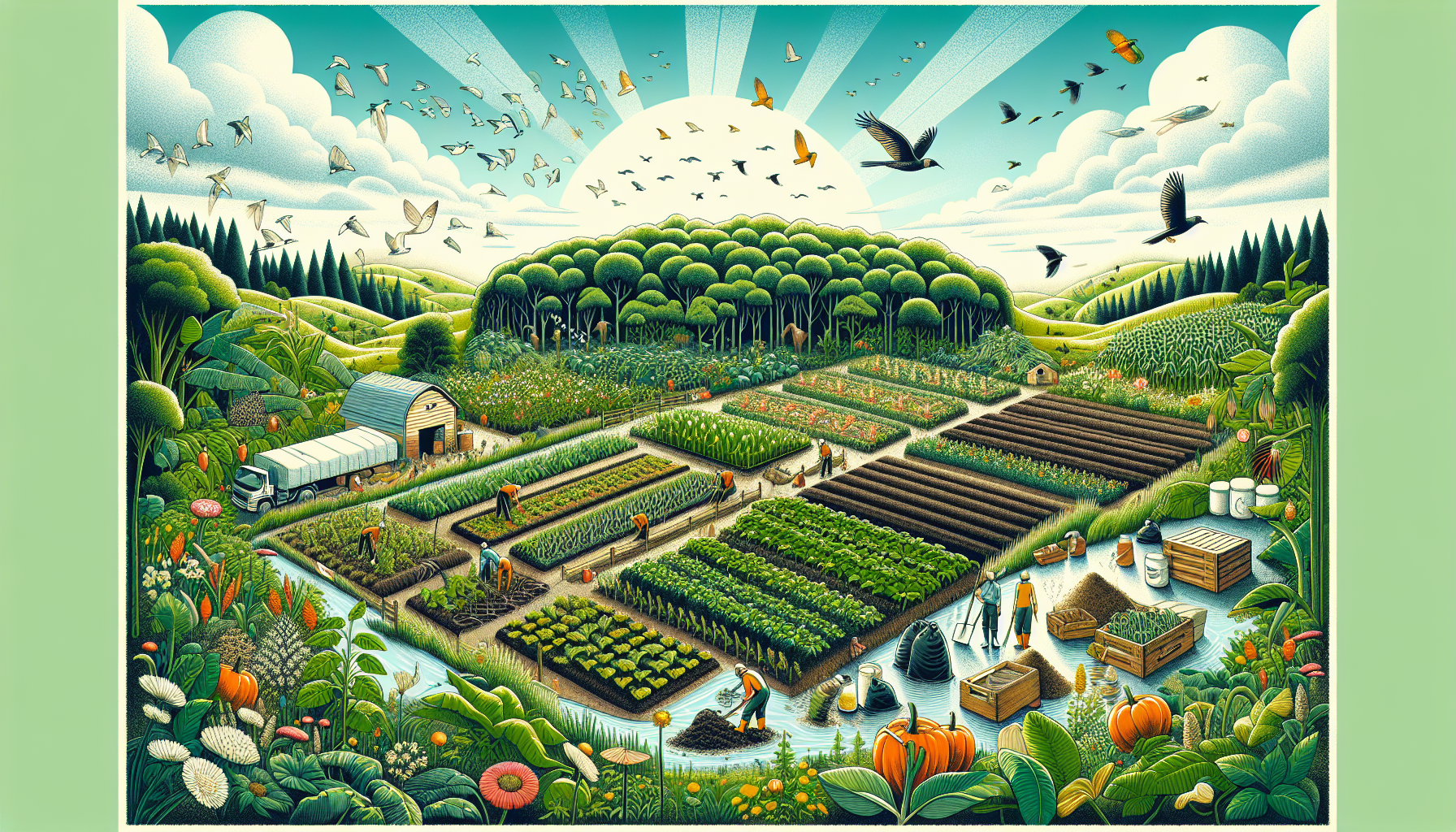
The principles of organic farming emphasize the use of natural inputs and the promotion of biodiversity. Techniques like crop rotation, companion planting, and mixed cropping are used to maintain soil fertility and control pests and diseases. Biological pest control methods, such as the fostering of insect predators, are also encouraged. Organic farmers often use tools like compost tea and cover crops to promote soil health, and may also incorporate animals into their farming systems, like those used in regenerative agriculture. Companies like John Deere and Kubota have developed equipment and technologies that support organic farming practices, while researchers like David Montgomery and Anne Biklé have studied the benefits of regenerative agriculture. Additionally, organizations like the Organic Trade Association and the National Association of State Departments of Agriculture have worked to promote organic farming and support farmers in their transition to organic practices.
🌟 Benefits and Impact
The benefits of organic farming are numerous, from improved soil health and biodiversity to increased crop yields and better nutritional content. Organic farming also tends to have a lower environmental impact than conventional farming, with reduced greenhouse gas emissions and less water pollution. Consumers like those who shop at Trader Joe's and Costco have driven demand for organic products, while companies like Amazon and Google have invested in organic farming initiatives. Researchers like Michael Pollan and Marion Nestle have written extensively on the benefits of organic farming, while organizations like the Environmental Working Group and the Union of Concerned Scientists have worked to promote sustainable agriculture practices. Overall, organic farming offers a sustainable and environmentally friendly approach to agriculture, with benefits for both farmers and consumers.
Key Facts
- Year
- 1900s
- Origin
- Global
- Category
- nature
- Type
- concept
Frequently Asked Questions
What is organic farming?
Organic farming is an agricultural system that uses naturally occurring inputs and emphasizes techniques like crop rotation and biological pest control, promoting sustainability and soil fertility.
What are the benefits of organic farming?
The benefits of organic farming include improved soil health, biodiversity, and crop yields, as well as reduced environmental impact and better nutritional content.
How does organic farming differ from conventional farming?
Organic farming differs from conventional farming in its use of natural inputs and emphasis on biodiversity and soil health, whereas conventional farming often relies on synthetic fertilizers and pesticides.
What is the history of organic farming?
The history of organic farming dates back to the early 20th century, when farmers and researchers began to question the use of synthetic fertilizers and pesticides in agriculture.
What are some examples of organic farming practices?
Examples of organic farming practices include crop rotation, companion planting, and mixed cropping, as well as the use of compost tea and cover crops to promote soil health.