
Contents
- 🎵 Origins & History
- ⚙️ How It Works
- 📊 Key Facts & Numbers
- 👥 Key People & Organizations
- 🌍 Cultural Impact & Influence
- ⚡ Current State & Latest Developments
- 🤔 Controversies & Debates
- 🔮 Future Outlook & Predictions
- 💡 Practical Applications
- 📚 Related Topics & Deeper Reading
- Frequently Asked Questions
- References
- Related Topics
Overview
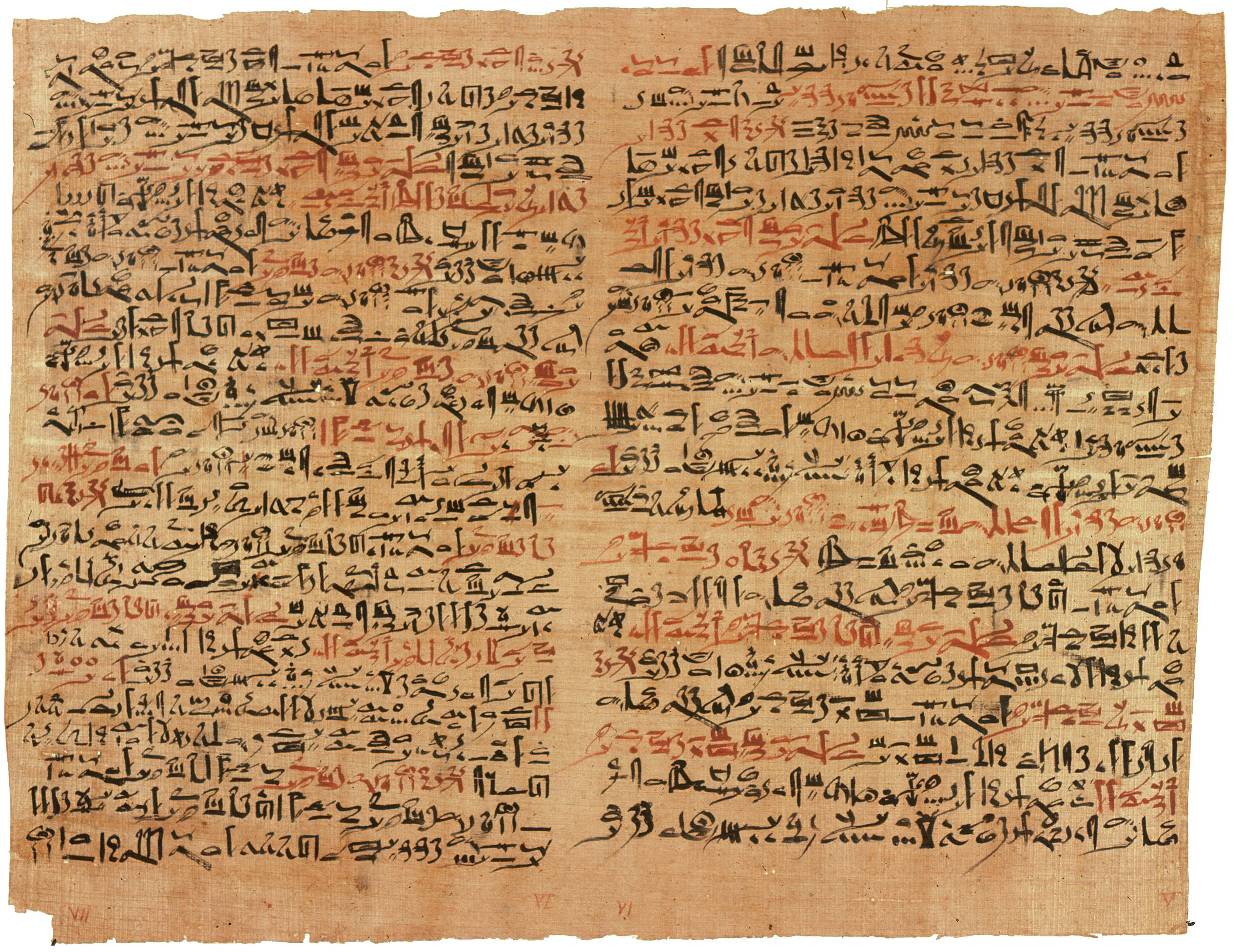
Egyptian medicine, with its roots dating back to the late fourth millennium BC, is one of the oldest documented medical practices. This ancient civilization's approach to healthcare included simple non-invasive surgery, bone setting, dentistry, and a vast pharmacopoeia. The influence of Egyptian medical thought can be seen in later traditions, including Greek medicine, with notable figures such as Hippocrates and Galen drawing upon Egyptian knowledge. The Edwin Smith Papyrus, an ancient medical text, provides valuable insights into the diagnosis and treatment of injuries and illnesses, showcasing the Egyptians' understanding of the human body and their approach to medicine. With a history spanning over 3,000 years, Egyptian medicine has left an indelible mark on the development of modern healthcare, with its contributions still studied and appreciated today. The legacy of Egyptian medicine can be seen in the work of modern medical professionals, such as Anthony Fauci, who have built upon the foundations laid by ancient Egyptian physicians. As we continue to advance in medical technology and understanding, the significance of Egyptian medicine remains unparalleled, offering a unique glimpse into the evolution of medical practices and the ingenuity of our ancestors.
🎵 Origins & History
The history of Egyptian medicine dates back to the late fourth millennium BC, with evidence of medical practices found in ancient texts such as the Edwin Smith Papyrus and the Ebers Papyrus. These texts provide valuable insights into the diagnosis and treatment of injuries and illnesses, showcasing the Egyptians' understanding of the human body and their approach to medicine. The Edwin Smith Papyrus, for example, contains the oldest known surgical treatise, with descriptions of surgical procedures and treatments for various ailments. Notable figures such as Imhotep, an ancient Egyptian physician and architect, have made significant contributions to the field of medicine, with his work on the Step Pyramid showcasing his understanding of human anatomy.
⚙️ How It Works
Egyptian medicine was characterized by its holistic approach, with an emphasis on the interconnectedness of the body and the environment. The Egyptians believed in the concept of Ma'at, which referred to the balance and harmony of the universe, and they sought to restore this balance through their medical practices. This approach is reflected in the use of herbal remedies, such as myrrh and frankincense, which were used to treat a variety of ailments. The Egyptians also developed a system of diagnosis, which involved the use of observation, palpation, and other techniques to identify the underlying causes of illnesses.
📊 Key Facts & Numbers
Some key facts about Egyptian medicine include its extensive pharmacopoeia, which included over 600 remedies, and its use of surgical procedures, such as trephining and laparotomy. The Egyptians also developed a system of medical specialization, with different physicians specializing in different areas of medicine, such as ophthalmology and dentistry. The use of papyrus as a medium for recording medical texts allowed for the widespread dissemination of medical knowledge, with notable texts such as the Ebers Papyrus containing over 700 magical and medical formulas.
👥 Key People & Organizations
Key people in the history of Egyptian medicine include Imhotep, who is often referred to as the father of Egyptian medicine, and Hesi-Re, who was a prominent physician during the Old Kingdom period. Other notable figures include Rhind Papyrus author, who provided valuable insights into mathematical and medical knowledge, and Herodotus, who wrote about the medical practices of the Egyptians in his book Histories. The work of these individuals has had a lasting impact on the development of medicine, with their contributions still studied and appreciated today.
🌍 Cultural Impact & Influence
The cultural impact of Egyptian medicine can be seen in its influence on later medical traditions, including Greek medicine. The Greeks, in turn, influenced the development of Western medicine, with notable figures such as Galen drawing upon Egyptian knowledge. The legacy of Egyptian medicine can also be seen in the modern medical practices of countries such as Egypt and Greece, where traditional remedies and techniques are still used today. The use of Arabic as a language for medical texts during the Islamic Golden Age allowed for the translation and dissemination of Egyptian medical knowledge, further solidifying its influence on the development of medicine.
⚡ Current State & Latest Developments
In recent years, there has been a renewed interest in the study of Egyptian medicine, with scholars such as Fazlur Rahman and Abdullah ibn Abbas working to translate and interpret ancient medical texts. This has led to a greater understanding of the contributions of Egyptian medicine to the development of modern healthcare, with the discovery of new remedies and treatments, such as the use of papyrus as a medium for recording medical texts, allowing for the widespread dissemination of medical knowledge. The work of modern medical professionals, such as Anthony Fauci, has built upon the foundations laid by ancient Egyptian physicians, further solidifying the significance of Egyptian medicine in the modern era.
🤔 Controversies & Debates
Despite its many contributions to the development of medicine, Egyptian medicine has also been the subject of controversy and debate. Some scholars have questioned the effectiveness of certain remedies and treatments, while others have criticized the lack of scientific rigor in ancient medical practices. However, the legacy of Egyptian medicine remains unparalleled, offering a unique glimpse into the evolution of medical practices and the ingenuity of our ancestors. The use of clinical trials and evidence-based medicine has allowed for a more nuanced understanding of the effectiveness of Egyptian medical practices, with the discovery of new remedies and treatments, such as the use of herbal remedies, further solidifying the significance of Egyptian medicine.
🔮 Future Outlook & Predictions
Looking to the future, it is clear that Egyptian medicine will continue to play an important role in the development of modern healthcare. The study of ancient medical texts and the translation of new remedies and treatments will allow for a greater understanding of the contributions of Egyptian medicine to the development of modern healthcare. The use of artificial intelligence and machine learning will also allow for a more nuanced understanding of the effectiveness of Egyptian medical practices, further solidifying the significance of Egyptian medicine in the modern era. As we continue to advance in medical technology and understanding, the significance of Egyptian medicine remains unparalleled, offering a unique glimpse into the evolution of medical practices and the ingenuity of our ancestors.
💡 Practical Applications
The practical applications of Egyptian medicine can be seen in the use of herbal remedies, such as myrrh and frankincense, which are still used today to treat a variety of ailments. The use of papyrus as a medium for recording medical texts has also allowed for the widespread dissemination of medical knowledge, with notable texts such as the Ebers Papyrus containing over 700 magical and medical formulas. The development of traditional Chinese medicine and Ayurveda has also been influenced by Egyptian medicine, with the use of herbal remedies and other natural treatments, such as acupuncture and yoga, allowing for a more holistic approach to healthcare.
Key Facts
- Year
- 2600 BC
- Origin
- Ancient Egypt
- Category
- history
- Type
- concept
Frequently Asked Questions
What were some of the key contributions of Egyptian medicine to the development of modern healthcare?
Egyptian medicine made significant contributions to the development of modern healthcare, including the use of herbal remedies, the development of surgical procedures, and the influence of Egyptian medical thought on later traditions, such as Greek medicine. The work of notable figures such as Imhotep and Hesi-Re has had a lasting impact on the development of medicine, with their contributions still studied and appreciated today. The use of papyrus as a medium for recording medical texts allowed for the widespread dissemination of medical knowledge, with notable texts such as the Ebers Papyrus containing over 700 magical and medical formulas.
How did Egyptian medicine influence later medical traditions?
Egyptian medicine had a significant influence on later medical traditions, including Greek medicine. The Greeks, in turn, influenced the development of Western medicine, with notable figures such as Galen drawing upon Egyptian knowledge. The legacy of Egyptian medicine can also be seen in the modern medical practices of countries such as Egypt and Greece, where traditional remedies and techniques are still used today. The use of Arabic as a language for medical texts during the Islamic Golden Age allowed for the translation and dissemination of Egyptian medical knowledge, further solidifying its influence on the development of medicine.
What are some of the key challenges facing the study of Egyptian medicine today?
One of the key challenges facing the study of Egyptian medicine today is the lack of scientific rigor in ancient medical practices. However, the legacy of Egyptian medicine remains unparalleled, offering a unique glimpse into the evolution of medical practices and the ingenuity of our ancestors. The use of clinical trials and evidence-based medicine has allowed for a more nuanced understanding of the effectiveness of Egyptian medical practices, with the discovery of new remedies and treatments, such as the use of herbal remedies, further solidifying the significance of Egyptian medicine. The work of modern medical professionals, such as Anthony Fauci, has built upon the foundations laid by ancient Egyptian physicians, further solidifying the significance of Egyptian medicine in the modern era.
How can I learn more about Egyptian medicine?
There are a number of ways to learn more about Egyptian medicine, including the study of ancient medical texts, such as the Edwin Smith Papyrus and the Ebers Papyrus. The work of scholars such as Fazlur Rahman and Abdullah ibn Abbas can also provide a more nuanced understanding of the contributions of Egyptian medicine to the development of modern healthcare. The use of online resources, such as Wikipedia and Google Scholar, can also allow for a more comprehensive understanding of Egyptian medicine and its significance in the modern era. The study of ancient Egyptian history and archaeology can provide valuable insights into the cultural and historical context of Egyptian medicine.
What are some of the most significant contributions of Egyptian medicine to modern healthcare?
Some of the most significant contributions of Egyptian medicine to modern healthcare include the use of herbal remedies, the development of surgical procedures, and the influence of Egyptian medical thought on later traditions, such as Greek medicine. The use of papyrus as a medium for recording medical texts allowed for the widespread dissemination of medical knowledge, with notable texts such as the Ebers Papyrus containing over 700 magical and medical formulas. The development of traditional Chinese medicine and Ayurveda has also been influenced by Egyptian medicine, with the use of herbal remedies and other natural treatments, such as acupuncture and yoga, allowing for a more holistic approach to healthcare.
How has Egyptian medicine influenced the development of modern medical practices?
Egyptian medicine has had a significant influence on the development of modern medical practices, with its contributions still studied and appreciated today. The use of herbal remedies and other natural treatments, such as acupuncture and yoga, has allowed for a more holistic approach to healthcare. The development of traditional Chinese medicine and Ayurveda has also been influenced by Egyptian medicine, with the use of herbal remedies and other natural treatments, such as acupuncture and yoga, allowing for a more holistic approach to healthcare. The work of modern medical professionals, such as Anthony Fauci, has built upon the foundations laid by ancient Egyptian physicians, further solidifying the significance of Egyptian medicine in the modern era.
What are some of the key challenges facing the implementation of Egyptian medical practices in modern healthcare?
One of the key challenges facing the implementation of Egyptian medical practices in modern healthcare is the lack of scientific rigor in ancient medical practices. However, the legacy of Egyptian medicine remains unparalleled, offering a unique glimpse into the evolution of medical practices and the ingenuity of our ancestors. The use of clinical trials and evidence-based medicine has allowed for a more nuanced understanding of the effectiveness of Egyptian medical practices, with the discovery of new remedies and treatments, such as the use of herbal remedies, further solidifying the significance of Egyptian medicine. The work of modern medical professionals, such as Anthony Fauci, has built upon the foundations laid by ancient Egyptian physicians, further solidifying the significance of Egyptian medicine in the modern era.
How can I incorporate Egyptian medical practices into my daily life?
There are a number of ways to incorporate Egyptian medical practices into your daily life, including the use of herbal remedies, such as myrrh and frankincense, and the practice of yoga and meditation. The use of papyrus as a medium for recording medical texts has also allowed for the widespread dissemination of medical knowledge, with notable texts such as the Ebers Papyrus containing over 700 magical and medical formulas. The study of ancient Egyptian history and archaeology can provide valuable insights into the cultural and historical context of Egyptian medicine, allowing for a more nuanced understanding of the contributions of Egyptian medicine to the development of modern healthcare.
What are some of the most promising areas of research in Egyptian medicine?
Some of the most promising areas of research in Egyptian medicine include the study of herbal remedies, such as myrrh and frankincense, and the development of new treatments and therapies based on ancient Egyptian medical practices. The use of clinical trials and evidence-based medicine has allowed for a more nuanced understanding of the effectiveness of Egyptian medical practices, with the discovery of new remedies and treatments, such as the use of herbal remedies, further solidifying the significance of Egyptian medicine. The work of modern medical professionals, such as Anthony Fauci, has built upon the foundations laid by ancient Egyptian physicians, further solidifying the significance of Egyptian medicine in the modern era.