
Contents
Overview
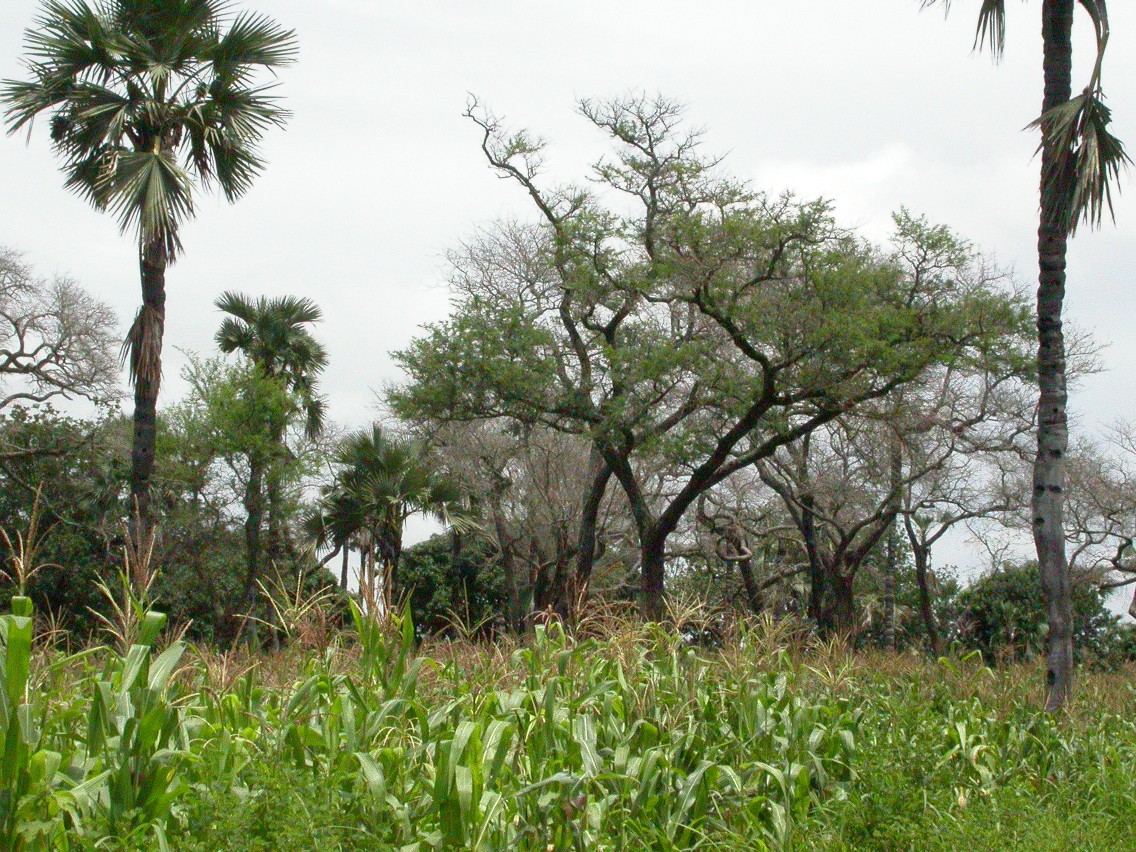
Agroforestry is a land use management system that combines agricultural and forestry technologies to produce a diverse range of products, including timber, fruits, nuts, and animal products. This polyculture system offers numerous economic, environmental, and social benefits, such as improved farm productivity, reduced soil erosion, and increased biodiversity. With its roots in traditional farming practices, agroforestry has evolved into a vital component of sustainable agriculture, providing a holistic approach to land management. The World Agroforestry Centre and the Food and Agriculture Organization of the United Nations are key organizations promoting and supporting agroforestry practices worldwide.
🌳 Origins & History
Agroforestry has its roots in traditional farming practices, dating back to ancient civilizations such as the Incas and Mayans. The World Agroforestry Centre and the Food and Agriculture Organization of the United Nations are key organizations promoting and supporting agroforestry practices worldwide.
⚙️ How It Works
Agroforestry works by integrating trees or shrubs into agricultural landscapes, providing a range of ecological and economic benefits. This can include silvopasture systems, where trees are grown among pastureland, or agroforestry contour planting, where crops are planted along contours to reduce soil erosion. Agroforestry systems can produce a diverse range of products, including timber, fruits, nuts, and animal products. Companies like The Nature Conservancy and World Wildlife Fund are working to promote sustainable land use practices, including agroforestry.
📊 Key Facts & Numbers
Agroforestry provides a range of economic, environmental, and social benefits. However, the exact extent of these benefits is reportedly still being researched and debated. According to some sources, agroforestry systems can improve water quality and reduce the need for fertilizers and pesticides.
👥 Key People & Organizations
Key people and organizations involved in agroforestry include Robin Walker, a pioneer in the field, and the World Agroforestry Centre, which provides research and development support for agroforestry practices. Other organizations, such as the Food and Agriculture Organization of the United Nations and the International Fund for Agricultural Development, also play important roles in promoting and supporting agroforestry.
🌍 Cultural Impact & Influence
Agroforestry has had a significant cultural impact, particularly in rural communities where it has helped to improve livelihoods and promote sustainable land use practices. In Latin America, for example, agroforestry has been used to promote reforestation and reduce deforestation. The Amazon Rainforest is a key region for agroforestry, with organizations like the Amazon Conservation Association working to protect and restore the forest ecosystem.
⚡ Current State & Latest Developments
The current state of agroforestry is one of growth and expansion, with increasing recognition of its potential to contribute to sustainable development. The UN General Assembly has adopted a resolution recognizing the importance of agroforestry for achieving the UN Sustainable Development Goals.
🤔 Controversies & Debates
Despite its many benefits, agroforestry is not without its controversies and debates. Some critics argue that agroforestry can lead to the displacement of traditional farming practices and the loss of biodiversity. Others argue that agroforestry can be used as a tool for land grabbing and the exploitation of rural communities. However, organizations like the Land Coalition are working to promote responsible land use practices and protect the rights of rural communities.
🔮 Future Outlook & Predictions
The future outlook for agroforestry is reportedly positive, with increasing recognition of its potential to contribute to sustainable development. The UN Environment Programme has identified agroforestry as a key strategy for achieving the UN Sustainable Development Goals.
💡 Practical Applications
Agroforestry has a range of practical applications, from improving soil fertility and reducing soil erosion to promoting biodiversity and supporting rural development. Agroforestry systems can also provide a range of ecosystem services, including carbon sequestration and water filtration. The USDA is working to promote agroforestry practices in the United States, with a focus on supporting small-scale farmers and promoting sustainable land use practices.
Key Facts
- Year
- 1970
- Category
- nature
- Type
- concept