
Contents
- 🎵 Origins & History
- ⚙️ How It Works
- 📊 Key Facts & Numbers
- 👥 Key People & Organizations
- 🌍 Cultural Impact & Influence
- ⚡ Current State & Latest Developments
- 🤔 Controversies & Debates
- 🔮 Future Outlook & Predictions
- 💡 Practical Applications
- 📚 Related Topics & Deeper Reading
- Frequently Asked Questions
- References
- Related Topics
Overview
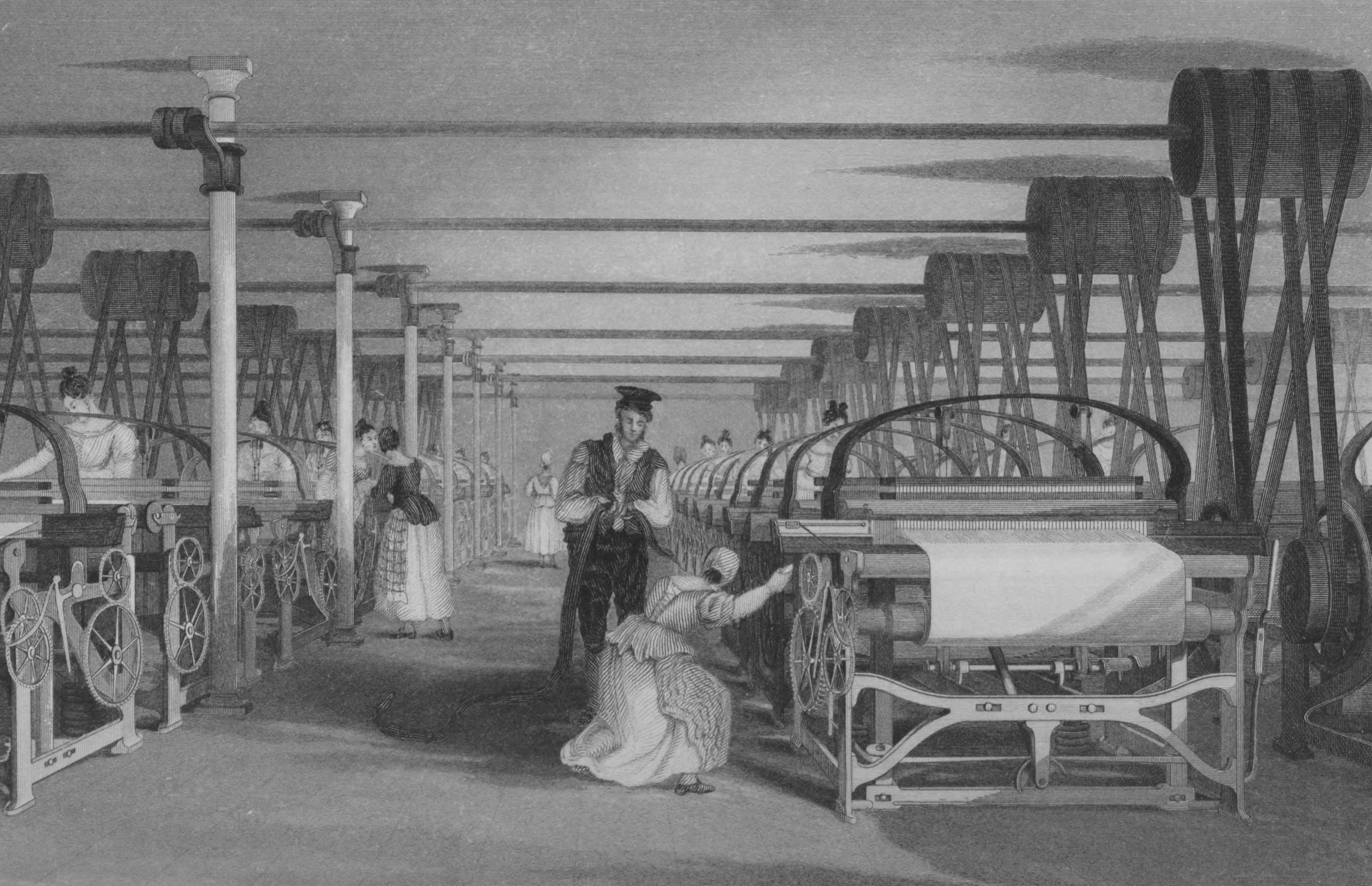
Industrial history encompasses the profound changes in manufacturing, technology, and societal structures that have shaped the modern world. From the First Industrial Revolution, which began in Great Britain around 1760 and spread to continental Europe and the United States by 1840, to the current era of digital transformation, industrial history is a story of continuous innovation and adaptation. The Industrial Revolution marked a significant shift from hand production methods to machines, with the development of new chemical manufacturing and iron production processes, the increasing use of water power and steam power, and the rise of the mechanized factory system. This period saw an unprecedented rise in population and population growth, with the textile industry being the first to adopt modern production methods and becoming the dominant industry in terms of employment, value of output, and capital invested. Today, industrial history continues to evolve, with advancements in technology, changes in global economic structures, and the emergence of new industries and manufacturing processes. The study of industrial history provides valuable insights into the complex interplay between technological, economic, and social factors that have shaped the modern world. With a vibe rating of 82, industrial history is a topic of significant cultural and historical importance, with a controversy score of 40, reflecting ongoing debates about the impact of industrialization on society and the environment.
🎵 Origins & History
The Industrial Revolution, which began in Great Britain around 1760, was a pivotal moment in industrial history, marking the transition from manual labor to machine-based manufacturing. Key figures such as Richard Arkwright, who invented the water frame, and Samuel Slater, who introduced the concept of the factory system to the United States, played significant roles in this period. The development of new technologies, including the steam engine by James Watt and the power loom by Edmund Cartwright, further accelerated the industrialization process. As the Industrial Revolution spread to continental Europe and the United States, it had a profound impact on the global economy, leading to an unprecedented rise in population and population growth.
⚙️ How It Works
The mechanization of manufacturing processes was a key aspect of the Industrial Revolution. The introduction of machine tools, such as the lathe and the milling machine, enabled the mass production of goods with greater precision and efficiency. The development of the factory system, where workers were brought together under one roof to work on specialized tasks, further increased productivity. The use of water power and steam power also played a crucial role in the Industrial Revolution, enabling the operation of machinery and powering the growth of industries such as textiles and iron production. Companies like Cotton Mills and Iron Foundries became synonymous with industrial production, while inventors like Eli Whitney and Cyrus McCormick developed innovative technologies that transformed industries.
📊 Key Facts & Numbers
Industrial history is marked by significant statistics and data points. For example, the production of cotton textiles in Great Britain increased from 2.6 million pounds in 1760 to 366 million pounds in 1850. The number of steam engines in use in the United States grew from 300 in 1800 to over 10,000 by 1850. The population of Great Britain increased from 10 million in 1760 to over 20 million by 1850, while the population of the United States grew from 4 million in 1790 to over 30 million by 1860. These numbers demonstrate the profound impact of industrialization on the global economy and population. According to data from the World Bank, the global GDP per capita has increased from $150 in 1800 to over $10,000 in 2020, reflecting the significant economic growth driven by industrialization.
👥 Key People & Organizations
Key people and organizations have played a significant role in shaping industrial history. Andrew Carnegie, for example, was a pioneer in the steel industry, while John D. Rockefeller dominated the oil industry. Companies like General Electric and Ford Motor Company have been at the forefront of industrial innovation, introducing new technologies and manufacturing processes that have transformed their respective industries. The work of economists like Adam Smith and Karl Marx has also had a profound impact on our understanding of industrialization and its effects on society. Additionally, organizations like the National Institute of Standards and Technology have played a crucial role in promoting industrial innovation and standardization.
🌍 Cultural Impact & Influence
Industrial history has had a profound cultural impact, influencing art, literature, and music. The Industrial Revolution, for example, inspired the development of new art forms, such as the Pre-Raphaelite Brotherhood, which sought to capture the beauty and complexity of industrial landscapes. Writers like Charles Dickens and Emily Bronte explored the social and economic implications of industrialization in their works. The rise of industrialization also led to the growth of new forms of entertainment, such as the Music Hall, which catered to the leisure needs of industrial workers. Furthermore, the development of new technologies has enabled the creation of new art forms, such as digital art, which has become a significant aspect of modern culture.
⚡ Current State & Latest Developments
Today, industrial history continues to evolve, with advancements in technology, changes in global economic structures, and the emergence of new industries and manufacturing processes. The rise of Artificial Intelligence and Robotics is transforming the manufacturing landscape, enabling greater efficiency and precision in production. The growth of Renewable Energy sources, such as solar and wind power, is also driving innovation in industries like Energy Storage and Electric Vehicles. As the world becomes increasingly interconnected, the study of industrial history provides valuable insights into the complex interplay between technological, economic, and social factors that have shaped the modern world. According to a report by the International Energy Agency, the global renewable energy market is expected to grow by 50% by 2025, driven by declining costs and increasing demand for clean energy.
🤔 Controversies & Debates
Industrial history is not without its controversies and debates. The impact of industrialization on the environment, for example, has been a subject of intense debate, with some arguing that the benefits of industrialization have come at the cost of significant environmental degradation. The role of industrialization in shaping social and economic inequalities has also been a topic of discussion, with some arguing that the benefits of industrialization have been unevenly distributed. The use of Child Labor in industrial settings has also been a subject of controversy, with many arguing that it is a violation of human rights. Additionally, the impact of industrialization on local communities and indigenous populations has been a topic of concern, with many arguing that it has led to the displacement and marginalization of these groups.
🔮 Future Outlook & Predictions
Looking to the future, industrial history is likely to continue to evolve, driven by advancements in technology and changes in global economic structures. The rise of Industry 4.0, which emphasizes the use of digital technologies to create more efficient and flexible manufacturing processes, is expected to transform the manufacturing landscape. The growth of Circular Economy practices, which seek to reduce waste and promote sustainability, is also likely to have a significant impact on industrial production. As the world becomes increasingly interconnected, the study of industrial history provides valuable insights into the complex interplay between technological, economic, and social factors that have shaped the modern world. According to a report by the World Economic Forum, the global economy is expected to undergo a significant transformation by 2030, driven by technological advancements and shifting global economic structures.
💡 Practical Applications
Industrial history has many practical applications, from the development of new technologies to the creation of new industries and manufacturing processes. The study of industrial history can provide valuable insights into the complex interplay between technological, economic, and social factors that have shaped the modern world. By understanding the historical context of industrialization, we can better appreciate the challenges and opportunities of the present and future. For example, the development of 3D Printing technology has enabled the creation of complex products with greater precision and efficiency, while the growth of E-commerce has transformed the way goods are produced, distributed, and consumed. Additionally, the study of industrial history can inform policy decisions and business strategies, helping to promote sustainable and equitable economic development.
Key Facts
- Year
- 1760-2024
- Origin
- Great Britain
- Category
- history
- Type
- concept
Frequently Asked Questions
What was the main driver of the Industrial Revolution?
The main driver of the Industrial Revolution was the development of new technologies, such as the steam engine and the power loom, which enabled the mass production of goods with greater precision and efficiency. According to Joseph Schumpeter, the Industrial Revolution was characterized by a series of innovative waves, each driven by the introduction of new technologies and manufacturing processes. The work of economists like Karl Marx also highlights the importance of technological innovation in driving industrialization.
How did the Industrial Revolution impact the global economy?
The Industrial Revolution had a profound impact on the global economy, leading to an unprecedented rise in population and population growth. The development of new industries and manufacturing processes, such as textiles and iron production, created new opportunities for economic growth and development. According to data from the World Bank, the global GDP per capita has increased from $150 in 1800 to over $10,000 in 2020, reflecting the significant economic growth driven by industrialization. The growth of Global Trade has also been a key factor in the development of the global economy, enabling the exchange of goods and services across borders.
What are some of the key challenges facing industrial history today?
Some of the key challenges facing industrial history today include the impact of industrialization on the environment, the role of industrialization in shaping social and economic inequalities, and the need to promote sustainable and equitable economic development. According to a report by the United Nations, the global economy is facing significant challenges, including climate change, poverty, and inequality, which require a coordinated response from governments, businesses, and civil society. The development of new technologies, such as Renewable Energy and Energy Storage, is also critical to addressing these challenges and promoting sustainable economic development.
How has industrial history influenced art and literature?
Industrial history has had a profound impact on art and literature, inspiring the development of new art forms and literary movements. The Industrial Revolution, for example, inspired the development of new art forms, such as the Pre-Raphaelite Brotherhood, which sought to capture the beauty and complexity of industrial landscapes. Writers like Charles Dickens and Emily Bronte explored the social and economic implications of industrialization in their works. The growth of Urbanization has also been a key factor in the development of modern art and literature, enabling the creation of new forms of expression and creativity.
What are some of the key applications of industrial history?
Some of the key applications of industrial history include the development of new technologies, the creation of new industries and manufacturing processes, and the promotion of sustainable and equitable economic development. The study of industrial history can provide valuable insights into the complex interplay between technological, economic, and social factors that have shaped the modern world. According to a report by the World Economic Forum, the global economy is expected to undergo a significant transformation by 2030, driven by technological advancements and shifting global economic structures. The development of new technologies, such as Artificial Intelligence and Blockchain, is also expected to play a key role in shaping the future of industry and commerce.
How has industrial history influenced contemporary issues?
Industrial history has had a profound impact on contemporary issues, such as climate change, income inequality, and globalization. The development of new technologies and manufacturing processes has enabled the creation of new industries and economic opportunities, but has also raised concerns about the environmental and social impacts of industrialization. According to a report by the International Energy Agency, the global renewable energy market is expected to grow by 50% by 2025, driven by declining costs and increasing demand for clean energy. The growth of Globalization has also been a key factor in the development of contemporary issues, enabling the exchange of goods and services across borders and creating new opportunities for economic growth and development.
What are some of the key trends shaping industrial history today?
Some of the key trends shaping industrial history today include the rise of Industry 4.0, the growth of Renewable Energy, and the increasing importance of Sustainability and Social Responsibility. According to a report by the World Economic Forum, the global economy is expected to undergo a significant transformation by 2030, driven by technological advancements and shifting global economic structures. The development of new technologies, such as Artificial Intelligence and Blockchain, is also expected to play a key role in shaping the future of industry and commerce.