
Contents
Overview
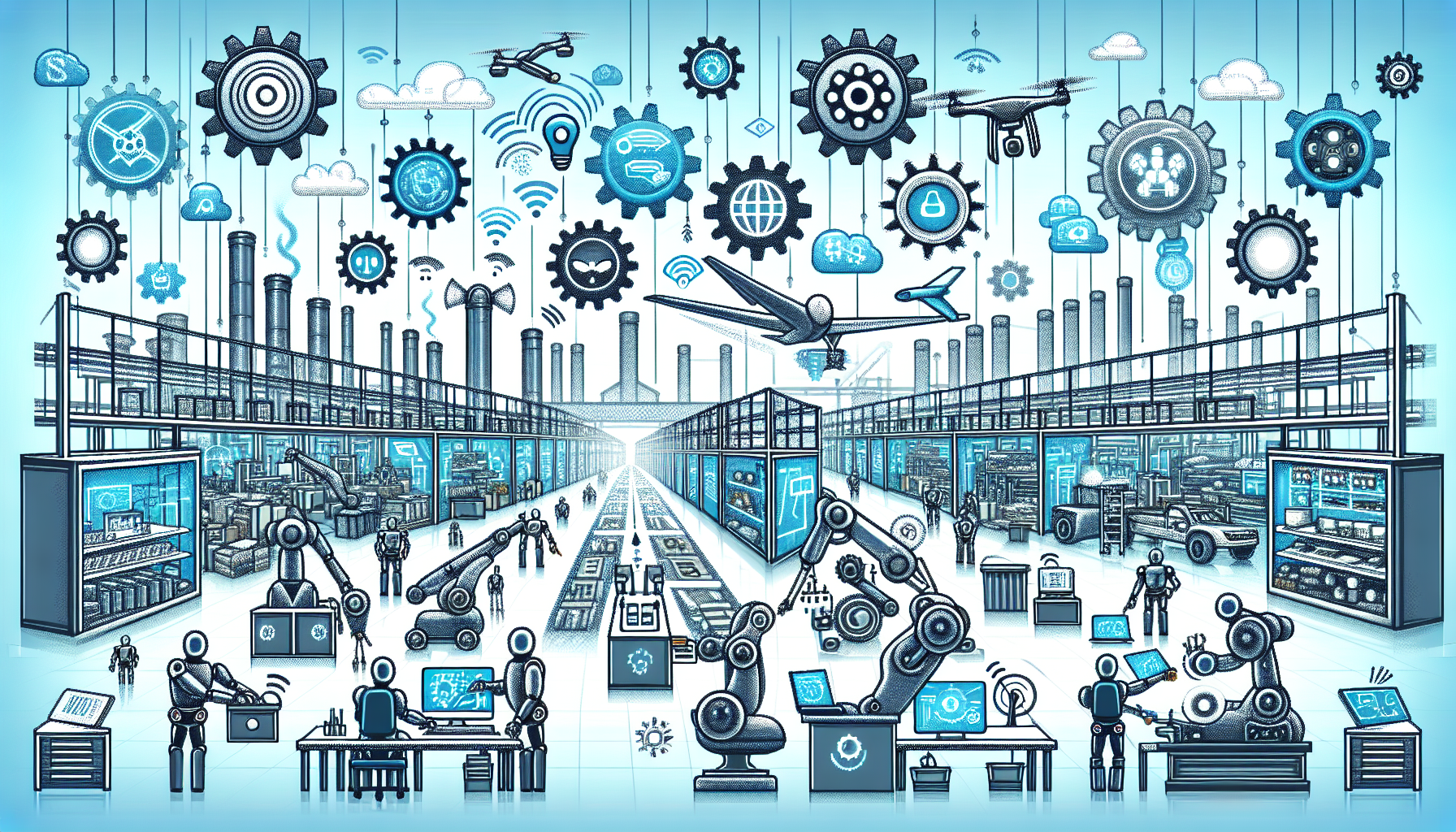
Industry 4.0, also known as the Fourth Industrial Revolution, is a term coined by the German government to describe the current trend of automation and data exchange in manufacturing technologies. As explained by experts like Klaus Schwab and Jeremy Rifkin, this revolution is driven by the convergence of digital, physical, and biological systems, and is expected to have a significant impact on industries like manufacturing, logistics, and healthcare. Companies like Cisco, Intel, and Microsoft are already investing heavily in Industry 4.0 technologies, and countries like China, Japan, and South Korea are also making significant investments in this area.
🤖 Key Technologies and Innovations
The key technologies driving Industry 4.0 include artificial intelligence (AI), machine learning, and the Internet of Things (IoT). As noted by researchers like Yann LeCun and Fei-Fei Li, these technologies enable the creation of smart factories, where machines and devices can communicate with each other and with humans in real-time. This allows for greater efficiency, productivity, and innovation, and is expected to transform industries like automotive, aerospace, and energy. For example, companies like Tesla and Volkswagen are already using Industry 4.0 technologies to improve their manufacturing processes, and startups like Uptake and Augury are developing new technologies to support this revolution.
🌐 Global Impact and Adoption
The global impact of Industry 4.0 is expected to be significant, with many countries and companies investing heavily in this area. As explained by experts like McKinsey and Deloitte, the adoption of Industry 4.0 technologies is expected to increase efficiency, productivity, and innovation, and is likely to have a major impact on industries like manufacturing, logistics, and healthcare. For example, countries like Germany and Japan are already seeing significant benefits from their investments in Industry 4.0, and companies like Siemens and GE are developing new technologies and business models to support this revolution. However, as noted by critics like Nick Srnicek and Alex Williams, there are also concerns about the potential negative impacts of Industry 4.0, including job displacement and increased inequality.
📊 Future Prospects and Challenges
The future prospects for Industry 4.0 are exciting, with many new technologies and innovations on the horizon. As noted by experts like Marc Andreessen and Peter Thiel, the next wave of innovation is likely to be driven by the convergence of Industry 4.0 with other technologies like blockchain and quantum computing. This is expected to enable new business models, new products and services, and new forms of innovation and entrepreneurship. For example, companies like IBM and Microsoft are already exploring the potential of blockchain and Industry 4.0, and startups like Fetch.ai and SingularityNET are developing new technologies to support this convergence.
Key Facts
- Year
- 2011
- Origin
- Germany
- Category
- technology
- Type
- concept
Frequently Asked Questions
What is Industry 4.0?
Industry 4.0 refers to the fourth industrial revolution, characterized by the widespread adoption of automation, artificial intelligence, and the Internet of Things (IoT) in manufacturing and production.
What are the key technologies driving Industry 4.0?
The key technologies driving Industry 4.0 include artificial intelligence (AI), machine learning, and the Internet of Things (IoT).
What is the potential impact of Industry 4.0 on employment?
The potential impact of Industry 4.0 on employment is a topic of debate, with some experts predicting significant job displacement and others predicting the creation of new job opportunities.
What is the role of government in supporting Industry 4.0?
The role of government in supporting Industry 4.0 is to provide funding, regulation, and infrastructure to support the development and adoption of Industry 4.0 technologies.
What are the potential risks and benefits of Industry 4.0?
The potential risks of Industry 4.0 include job displacement, increased inequality, and cybersecurity risks, while the potential benefits include increased efficiency, productivity, and innovation.