
Contents
Overview
The Industrial Revolution began in Britain in the mid-18th century, with the invention of the steam engine by James Watt and the development of textile machines by Richard Arkwright and Samuel Slater. This marked a significant shift from manual labor to machine-based manufacturing, increasing efficiency and productivity. As the Industrial Revolution gained momentum, it attracted the attention of entrepreneurs like Henry Ford, who pioneered the assembly line production method, and inventors like Eli Whitney, who developed the cotton gin. The impact of the Industrial Revolution was not limited to Britain, as it soon spread to other parts of Europe and North America, with the likes of Napoleon Bonaparte and Abraham Lincoln playing important roles in shaping the course of industrialization.
🚂 Mechanization & Mass Production
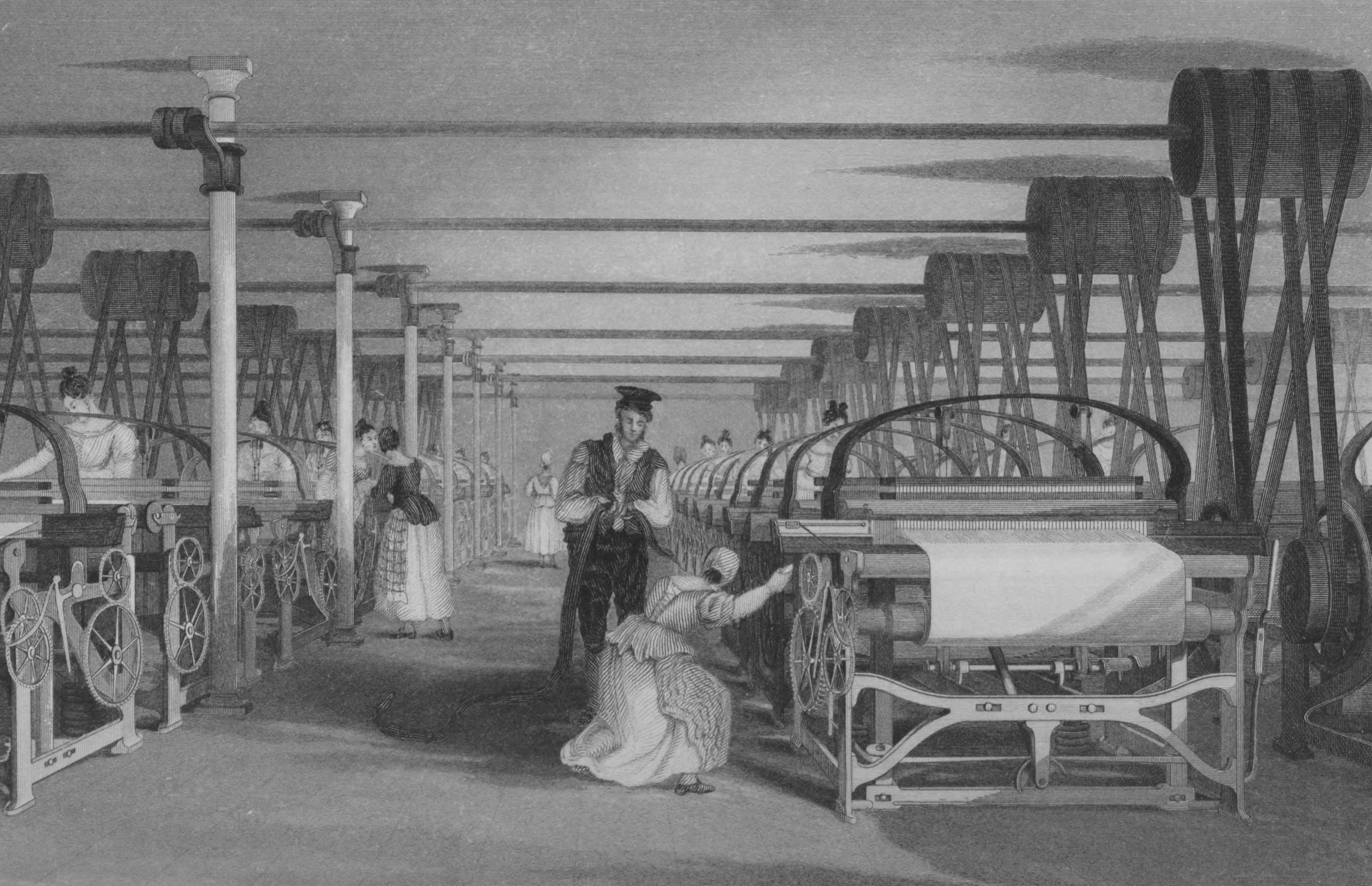
The introduction of mechanized textile machines, such as the spinning jenny and power loom, enabled mass production of cloth and other textiles, making them more affordable and widely available. This, in turn, led to the growth of a new industrial working class, with people like Karl Marx and Friedrich Engels writing about the social and economic implications of industrialization. The development of the railroad, led by figures like Isambard Kingdom Brunel and George Stephenson, further facilitated the transportation of goods and people, connecting industries and markets across the globe. As the Industrial Revolution progressed, it also saw the emergence of new technologies, such as the telegraph, developed by Samuel Morse, and the Bessemer process, developed by Henry Bessemer, which enabled the mass production of steel.
🌎 Global Impact & Legacy
The Industrial Revolution had a profound impact on the global economy, as industrialized nations like Britain, the United States, and Germany began to dominate international trade. The growth of industries like coal mining, iron production, and shipbuilding created new opportunities for investment and employment, attracting immigrants from all over the world, including people like Andrew Carnegie, who rose from poverty to become one of the wealthiest men in America. However, the Industrial Revolution also created new social and environmental problems, such as urban poverty, pollution, and the exploitation of workers, which were addressed by social reformers like Charles Dickens, Florence Nightingale, and Jane Addams. The Industrial Revolution also had a significant impact on the environment, with the increased use of fossil fuels contributing to climate change, a topic of concern for scientists like James Hansen and organizations like the Intergovernmental Panel on Climate Change (IPCC).
Key Facts
- Year
- 1760-1840
- Origin
- Britain
- Category
- history
- Type
- movement
Frequently Asked Questions
What were the main causes of the Industrial Revolution?
The main causes of the Industrial Revolution were the invention of new technologies, such as the steam engine and textile machines, and the availability of natural resources, such as coal and iron. The growth of international trade and the development of new forms of business organization, such as the factory system, also played important roles.
What were the main consequences of the Industrial Revolution?
The main consequences of the Industrial Revolution were the growth of cities, the development of new social classes, and the emergence of new forms of politics and culture. The Industrial Revolution also led to the exploitation of workers, the concentration of wealth among a small elite, and the degradation of the environment.
How did the Industrial Revolution affect the environment?
The Industrial Revolution had a significant impact on the environment, as the increased use of fossil fuels contributed to climate change, and the growth of industries like coal mining and iron production led to pollution and environmental degradation. The development of new technologies, such as the steam engine, also led to the destruction of natural habitats and the loss of biodiversity.
What were the main social classes that emerged during the Industrial Revolution?
The main social classes that emerged during the Industrial Revolution were the industrial bourgeoisie, the working class, and the aristocracy. The industrial bourgeoisie were the owners of the factories and the means of production, while the working class were the laborers who worked in the factories. The aristocracy were the landowners and the nobility who retained their wealth and power despite the changes brought about by the Industrial Revolution.
How did the Industrial Revolution affect the role of women in society?
The Industrial Revolution had a significant impact on the role of women in society, as women began to work outside the home in factories and mills. This led to the growth of a new female workforce, but also to the exploitation of women workers, who were often paid lower wages and worked in poor conditions. The Industrial Revolution also led to the emergence of new forms of feminism, as women began to demand equal rights and greater social and economic opportunities.