
Contents
- 🔍 Introduction to Illusions
- 👀 The Psychology of Perception
- 🎨 The Art of Deception
- 📊 The Science of Illusions
- 👥 Shared Illusions and Collective Perception
- 🤔 The Role of Expectation in Shaping Reality
- 📸 Optical Illusions and Visual Perception
- 👀 The Impact of Technology on Illusions
- 🎭 The Use of Illusions in Art and Entertainment
- 🔮 The Future of Illusions and Deception
- 📚 Conclusion: Unpacking the Illusion
- Frequently Asked Questions
- Related Topics
Overview
The art of deception is a complex and multifaceted field that has been studied by psychologists, neuroscientists, and artists for centuries. At its core, an illusion is a distortion of the senses, which can reveal how the mind normally organizes and interprets sensory stimulation, as discussed in The Psychology of Perception. Although illusions distort the human perception of reality, they are generally shared by most people, highlighting the collective nature of human perception, which is explored in The Collective Unconscious. The study of illusions has far-reaching implications for our understanding of human perception, cognition, and behavior, and is closely related to fields such as Cognitive Psychology and Neuroscience. By examining the mechanisms underlying illusions, researchers can gain insights into the neural processes that underlie human perception and behavior, as discussed in The Neural Basis of Perception. Furthermore, the art of deception has been used in various forms of entertainment, including magic and illusions, which rely on the manipulation of perception and attention, as seen in the work of Harry Houdini.
👀 The Psychology of Perception
The psychology of perception is a crucial aspect of understanding illusions, as it reveals how the mind processes and interprets sensory information. According to Gestalt Theory, the mind tends to organize visual information into patterns and shapes, which can lead to the creation of illusions. For example, the Kanizsa Triangle is a classic illusion that demonstrates how the mind can create the perception of a triangle even when it is not actually present. The study of perception is closely related to fields such as Cognitive Bias and Attention, which can also influence the creation and perception of illusions. By understanding how the mind processes and interprets sensory information, researchers can gain insights into the mechanisms underlying illusions and develop new techniques for manipulating perception, as discussed in Perceptual Manipulation. Additionally, the psychology of perception has implications for fields such as Art and Design, where the manipulation of perception can be used to create innovative and engaging experiences, as seen in the work of M.C. Escher.
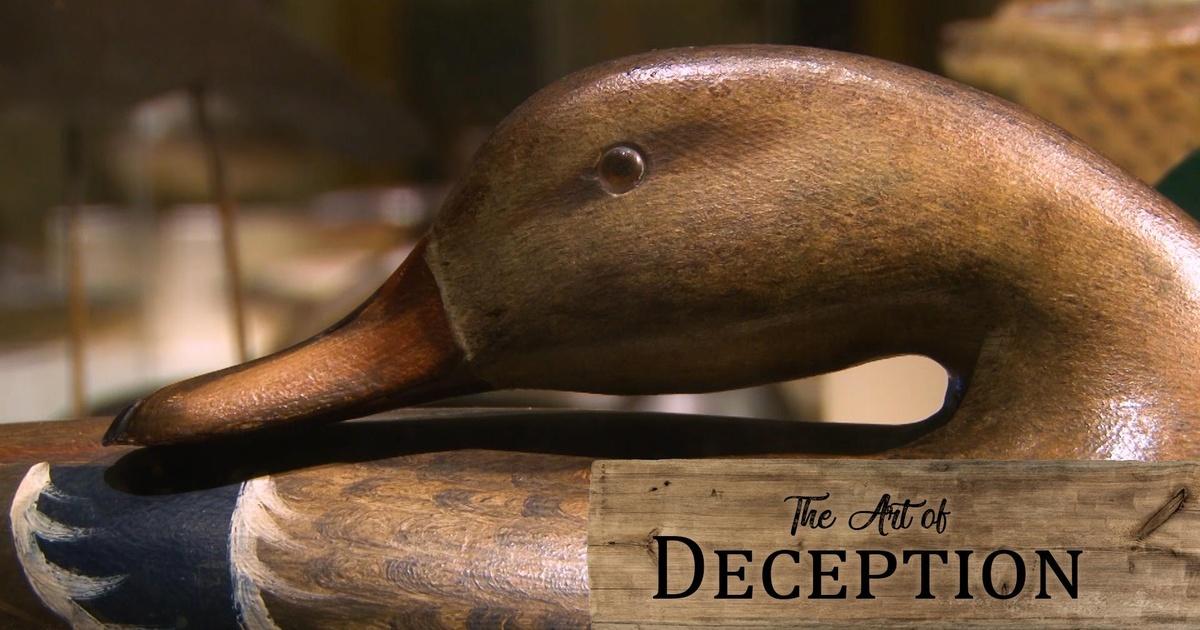
🎨 The Art of Deception
The art of deception is a complex and multifaceted field that has been used in various forms of entertainment, including magic and illusions. Magicians such as David Copperfield and Criss Angel have used illusions to create elaborate and deceptive performances that manipulate the perception of their audiences. The use of illusions in art and entertainment is closely related to fields such as Storytelling and Narrative Theory, which can also influence the creation and perception of illusions. By examining the techniques used by magicians and artists, researchers can gain insights into the mechanisms underlying illusions and develop new techniques for manipulating perception, as discussed in Illusion Techniques. Furthermore, the art of deception has implications for fields such as Advertising and Marketing, where the manipulation of perception can be used to create persuasive and engaging messages, as seen in the work of Don Draper.
📊 The Science of Illusions
The science of illusions is a rapidly evolving field that has been influenced by advances in technology and our understanding of the human brain. Recent studies have used Functional Magnetic Resonance Imaging (fMRI) and Electroencephalography (EEG) to examine the neural mechanisms underlying illusions, as discussed in The Neural Correlates of Consciousness. These studies have revealed that illusions are associated with activity in areas of the brain involved in perception, attention, and memory, such as the Visual Cortex and the Prefrontal Cortex. The science of illusions has far-reaching implications for our understanding of human perception, cognition, and behavior, and is closely related to fields such as Artificial Intelligence and Machine Learning. By examining the mechanisms underlying illusions, researchers can develop new techniques for manipulating perception and improving human performance, as discussed in Human Performance Enhancement. Additionally, the science of illusions has implications for fields such as Education and Training, where the manipulation of perception can be used to create engaging and effective learning experiences, as seen in the work of Salman Khan.
🤔 The Role of Expectation in Shaping Reality
The role of expectation in shaping reality is a crucial aspect of understanding illusions, as it reveals how the mind can create and manipulate perception based on prior experiences and expectations. According to Top-Down Processing, the mind uses prior knowledge and expectations to interpret sensory information and create perception, as discussed in Perceptual Expectation. For example, the Ponzo Illusion is a classic example of an illusion that demonstrates how the perception of size and distance can be influenced by prior expectations. The study of expectation and perception is closely related to fields such as Cognitive Bias and Attention, which can also influence the creation and perception of illusions. By examining the mechanisms underlying expectation and perception, researchers can gain insights into the neural processes that underlie human perception and behavior, as discussed in The Neural Basis of Perception. Additionally, the study of expectation has implications for fields such as Art and Design, where the manipulation of perception can be used to create innovative and engaging experiences, as seen in the work of M.C. Escher.
📸 Optical Illusions and Visual Perception
Optical illusions and visual perception are fascinating phenomena that highlight the complex and multifaceted nature of human perception. According to Visual Perception, the mind uses a combination of bottom-up and top-down processing to interpret visual information and create perception, as discussed in Visual Attention. For example, the Hermann Grid Illusion is a classic example of an optical illusion that demonstrates how the perception of color and contrast can be influenced by visual context. The study of optical illusions and visual perception is closely related to fields such as Optics and Computer Vision, which can also influence the creation and perception of illusions. By examining the mechanisms underlying optical illusions, researchers can gain insights into the neural processes that underlie human perception and behavior, as discussed in The Neural Basis of Perception. Furthermore, the study of optical illusions has implications for fields such as Art and Design, where the manipulation of perception can be used to create innovative and engaging experiences, as seen in the work of Bridget Riley.
👀 The Impact of Technology on Illusions
The impact of technology on illusions is a rapidly evolving field that has been influenced by advances in computer graphics, virtual reality, and artificial intelligence. According to Virtual Reality, technology can be used to create immersive and interactive illusions that manipulate perception and behavior, as discussed in Virtual Reality Therapy. For example, the use of Augmented Reality in art and entertainment has created new opportunities for the manipulation of perception and the creation of innovative experiences, as seen in the work of Refik Anadol. The study of the impact of technology on illusions is closely related to fields such as Human-Computer Interaction and User Experience Design, which can also influence the creation and perception of illusions. By examining the mechanisms underlying the impact of technology on illusions, researchers can gain insights into the neural processes that underlie human perception and behavior, as discussed in The Neural Basis of Perception. Additionally, the study of the impact of technology on illusions has implications for fields such as Education and Training, where the manipulation of perception can be used to create engaging and effective learning experiences, as seen in the work of Salman Khan.
🎭 The Use of Illusions in Art and Entertainment
The use of illusions in art and entertainment is a complex and multifaceted field that has been influenced by advances in technology and our understanding of human perception. According to Art and Illusion, artists have used illusions to create innovative and engaging experiences that manipulate perception and behavior, as discussed in Optical Art. For example, the use of Trompe L'oeil in art has created new opportunities for the manipulation of perception and the creation of realistic and immersive experiences, as seen in the work of Cornelis Gijsbrechts. The study of the use of illusions in art and entertainment is closely related to fields such as Storytelling and Narrative Theory, which can also influence the creation and perception of illusions. By examining the mechanisms underlying the use of illusions in art and entertainment, researchers can gain insights into the neural processes that underlie human perception and behavior, as discussed in The Neural Basis of Perception. Furthermore, the study of the use of illusions in art and entertainment has implications for fields such as Advertising and Marketing, where the manipulation of perception can be used to create persuasive and engaging messages, as seen in the work of Don Draper.
🔮 The Future of Illusions and Deception
The future of illusions and deception is a rapidly evolving field that has been influenced by advances in technology and our understanding of human perception. According to The Future of Illusions, the use of illusions in art and entertainment will continue to evolve and become more sophisticated, as discussed in The Future of Art. For example, the use of Artificial Intelligence in art and entertainment has created new opportunities for the manipulation of perception and the creation of innovative experiences, as seen in the work of Refik Anadol. The study of the future of illusions is closely related to fields such as Human-Computer Interaction and User Experience Design, which can also influence the creation and perception of illusions. By examining the mechanisms underlying the future of illusions, researchers can gain insights into the neural processes that underlie human perception and behavior, as discussed in The Neural Basis of Perception. Additionally, the study of the future of illusions has implications for fields such as Education and Training, where the manipulation of perception can be used to create engaging and effective learning experiences, as seen in the work of Salman Khan.
📚 Conclusion: Unpacking the Illusion
In conclusion, the art of deception is a complex and multifaceted field that has been influenced by advances in technology and our understanding of human perception. By examining the mechanisms underlying illusions, researchers can gain insights into the neural processes that underlie human perception and behavior, as discussed in The Neural Basis of Perception. The study of illusions has far-reaching implications for our understanding of human perception, cognition, and behavior, and is closely related to fields such as Art and Design, Storytelling, and Narrative Theory. As technology continues to evolve and become more sophisticated, the use of illusions in art and entertainment will continue to evolve and become more innovative, as seen in the work of Refik Anadol. Furthermore, the study of illusions has implications for fields such as Education and Training, where the manipulation of perception can be used to create engaging and effective learning experiences, as seen in the work of Salman Khan.
Key Facts
- Year
- 2023
- Origin
- Ancient Civilizations
- Category
- Psychology, Technology, Art
- Type
- Concept
Frequently Asked Questions
What is an illusion?
An illusion is a distortion of the senses, which can reveal how the mind normally organizes and interprets sensory stimulation. Although illusions distort the human perception of reality, they are generally shared by most people. The study of illusions has far-reaching implications for our understanding of human perception, cognition, and behavior, and is closely related to fields such as Cognitive Psychology and Neuroscience.
What is the psychology of perception?
The psychology of perception is a crucial aspect of understanding illusions, as it reveals how the mind processes and interprets sensory information. According to Gestalt Theory, the mind tends to organize visual information into patterns and shapes, which can lead to the creation of illusions. The study of perception is closely related to fields such as Cognitive Bias and Attention, which can also influence the creation and perception of illusions.
How do illusions relate to art and entertainment?
The use of illusions in art and entertainment is a complex and multifaceted field that has been influenced by advances in technology and our understanding of human perception. Artists have used illusions to create innovative and engaging experiences that manipulate perception and behavior, as discussed in Art and Illusion. The study of the use of illusions in art and entertainment is closely related to fields such as Storytelling and Narrative Theory, which can also influence the creation and perception of illusions.
What is the impact of technology on illusions?
The impact of technology on illusions is a rapidly evolving field that has been influenced by advances in computer graphics, virtual reality, and artificial intelligence. According to Virtual Reality, technology can be used to create immersive and interactive illusions that manipulate perception and behavior. The study of the impact of technology on illusions is closely related to fields such as Human-Computer Interaction and User Experience Design, which can also influence the creation and perception of illusions.
What is the future of illusions and deception?
The future of illusions and deception is a rapidly evolving field that has been influenced by advances in technology and our understanding of human perception. The use of illusions in art and entertainment will continue to evolve and become more sophisticated, as discussed in The Future of Illusions. The study of the future of illusions is closely related to fields such as Human-Computer Interaction and User Experience Design, which can also influence the creation and perception of illusions.
How do illusions relate to education and training?
The study of illusions has implications for fields such as Education and Training, where the manipulation of perception can be used to create engaging and effective learning experiences. By examining the mechanisms underlying illusions, researchers can gain insights into the neural processes that underlie human perception and behavior, as discussed in The Neural Basis of Perception. The use of illusions in education and training can be used to create innovative and interactive learning experiences, as seen in the work of Salman Khan.
What is the relationship between illusions and cognitive bias?
The study of illusions is closely related to fields such as Cognitive Bias, which can also influence the creation and perception of illusions. According to Cognitive Bias, the mind tends to use mental shortcuts and heuristics to make decisions, which can lead to the creation of illusions. The study of cognitive bias is closely related to fields such as Decision Making and Problem Solving, which can also influence the creation and perception of illusions.