
Contents
Overview
The concept of electroencephalography (EEG) was first introduced by Hans Berger, a German psychiatrist, in 1924. Berger's work built upon the discoveries of scientists like Richard Caton, who had previously demonstrated the existence of electrical activity in the brain. The development of EEG was further advanced by researchers like Edgar Adrian, who improved the technique and expanded its applications. Today, EEG is a crucial tool in the field of neuroscience, with companies like NeuroPlex and Brain Products contributing to its development. The use of EEG has also been explored in various fields, including psychology, with researchers like Daniel Kahneman and Amos Tversky utilizing EEG to study cognitive biases, and in the tech industry, with companies like Facebook and Neuralink investing in EEG-based brain-computer interfaces.
⚙️ How It Works
The process of electroencephalography involves the placement of electrodes along the scalp, typically using the International 10–20 system. This system, developed by Herbert Jasper, provides a standardized method for electrode placement, allowing for accurate and reproducible results. The electrodes detect the electrical activity of the brain, which is then amplified and recorded using equipment like the EEG bio amplifier. The recorded signals can be analyzed using various techniques, including visual inspection and quantitative analysis, with software like EEGLAB and MATLAB being widely used. Researchers like Scott Makeig and Arnaud Delorme have developed algorithms for EEG analysis, while companies like IBM and Google have applied EEG in their research on artificial intelligence and machine learning.
🌍 Clinical Applications
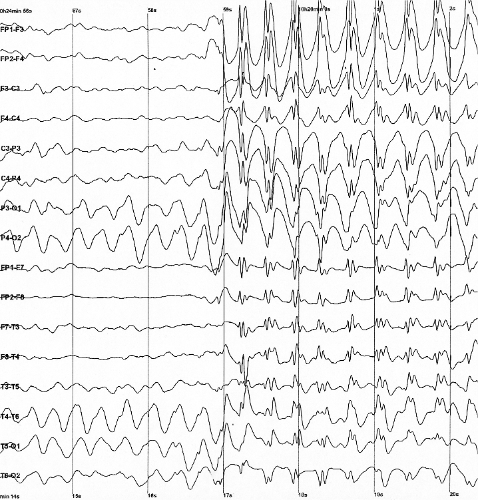
Electroencephalography has numerous clinical applications, particularly in the diagnosis and treatment of epilepsy. EEG is used to monitor seizure activity, allowing clinicians to adjust medication and develop personalized treatment plans. The use of EEG has also been explored in the diagnosis of other neurological disorders, such as Alzheimer's disease and Parkinson's disease, with researchers like David Holtzman and Jeffrey Cummings utilizing EEG to study the progression of these diseases. Companies like Biogen and Pfizer have developed medications for these conditions, while organizations like the Alzheimer's Association and the Michael J. Fox Foundation have funded EEG-related research. Additionally, EEG is used in brain-computer interface (BCI) technology, which has the potential to revolutionize the way people interact with devices, with researchers like Andrew Schwartz and John Donoghue developing BCI systems using EEG.
🔮 Future Directions
The future of electroencephalography is promising, with advancements in technology and research leading to new applications and discoveries. The development of dry electrodes, like those used in the Neurable brain-computer interface, has made EEG more accessible and user-friendly. The use of EEG in neuroscience research has also led to a greater understanding of brain function and behavior, with researchers like Christof Koch and Giulio Tononi utilizing EEG to study consciousness and the neural correlates of consciousness. Companies like Kernel and Emotiv are developing EEG-based products for consumer and research markets, while organizations like the National Science Foundation (NSF) and the European Research Council (ERC) continue to fund EEG-related research. As EEG technology continues to evolve, it is likely to play an increasingly important role in our understanding of the brain and its many mysteries.
Key Facts
- Year
- 1924
- Origin
- Germany
- Category
- science
- Type
- concept
Frequently Asked Questions
What is EEG?
Electroencephalography (EEG) is a non-invasive method for recording the brain's electrical activity.
What are the clinical applications of EEG?
EEG is widely used in the diagnosis and treatment of epilepsy, as well as in the diagnosis of other neurological disorders like Alzheimer's disease and Parkinson's disease.
How does EEG work?
EEG involves the placement of electrodes along the scalp, which detect the electrical activity of the brain. The recorded signals are then amplified and analyzed using various techniques.
What is the future of EEG?
The future of EEG is promising, with advancements in technology and research leading to new applications and discoveries, particularly in BCI technology and neuroscience research.
Who developed EEG?
Hans Berger developed the first EEG in 1924.