
Contents
Overview
The visual cortex has been a subject of interest in the scientific community for centuries, with early studies by Leonardo da Vinci and Rene Descartes. The modern understanding of the visual cortex began to take shape in the 20th century with the work of David Hubel and Torsten Wiesel, who were awarded the Nobel Prize in Physiology or Medicine in 1981 for their discoveries on the visual cortex. Their research, conducted at Harvard University, revealed the complex organization of the visual cortex and its role in processing visual information. The visual cortex is also closely linked to other brain regions, such as the lateral geniculate nucleus and the thalamus.
⚙️ How It Works
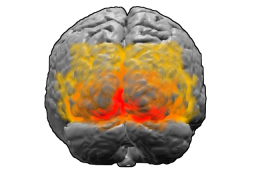
The visual cortex is divided into two main areas: the primary visual cortex (V1) and the extrastriate areas (V2, V3, V4, and V5). The primary visual cortex receives sensory input from the lateral geniculate nucleus and is responsible for processing basic visual information such as line orientation and color. The extrastriate areas, on the other hand, are involved in more complex visual processing tasks such as object recognition and motion detection. The visual cortex is also closely linked to other brain regions, such as the hippocampus and the amygdala, which play important roles in memory and emotion. Researchers have used various techniques, including functional magnetic resonance imaging (fMRI), to study the visual cortex and its functions.
🌍 Cultural Impact
The visual cortex has significant cultural and societal implications, particularly in the fields of art and design. The understanding of the visual cortex and its functions has inspired artists such as Pablo Picasso and Salvador Dali to create innovative and thought-provoking works. The visual cortex has also been the subject of various studies in the field of neuroaesthetics, which explores the neural basis of aesthetic experience. Furthermore, the visual cortex plays a crucial role in our daily lives, from recognizing faces and objects to navigating our surroundings. Companies like Google and Facebook are also exploring the potential of the visual cortex in the development of artificial intelligence and machine learning algorithms.
🔮 Legacy & Future
The study of the visual cortex continues to be an active area of research, with new discoveries and advancements being made regularly. The development of new technologies such as brain-computer interfaces and neural prosthetics holds great promise for the treatment of visual impairments and the enhancement of human visual abilities. Researchers like Andrew Huberman are also exploring the potential of the visual cortex in the development of new treatments for visual disorders. As our understanding of the visual cortex and its functions continues to grow, we can expect to see significant advancements in the fields of neuroscience, artificial intelligence, and beyond.
Key Facts
- Year
- 1981
- Origin
- Harvard University
- Category
- science
- Type
- concept
Frequently Asked Questions
What is the primary function of the visual cortex?
The primary function of the visual cortex is to process visual information from the eyes and interpret it as meaningful stimuli. This process involves the coordination of multiple brain regions, including the lateral geniculate nucleus and the thalamus. Researchers like David Hubel and Torsten Wiesel have made significant contributions to our understanding of the visual cortex and its functions.
How does the visual cortex process visual information?
The visual cortex processes visual information through a complex network of neurons and synapses. The primary visual cortex (V1) receives sensory input from the lateral geniculate nucleus and is responsible for processing basic visual information such as line orientation and color. The extrastriate areas (V2, V3, V4, and V5) are involved in more complex visual processing tasks such as object recognition and motion detection. Companies like Google and Facebook are also exploring the potential of the visual cortex in the development of artificial intelligence and machine learning algorithms.
What are the cultural implications of the visual cortex?
The visual cortex has significant cultural and societal implications, particularly in the fields of art and design. The understanding of the visual cortex and its functions has inspired artists such as Pablo Picasso and Salvador Dali to create innovative and thought-provoking works. The visual cortex has also been the subject of various studies in the field of neuroaesthetics, which explores the neural basis of aesthetic experience.
How does the visual cortex relate to other brain regions?
The visual cortex is closely linked to other brain regions, such as the hippocampus and the amygdala, which play important roles in memory and emotion. The visual cortex also receives input from the lateral geniculate nucleus and sends output to various other brain regions, including the frontal lobe and the parietal lobe. Researchers have used various techniques, including functional magnetic resonance imaging (fMRI), to study the visual cortex and its functions.
What are the potential applications of visual cortex research?
The study of the visual cortex has significant potential applications in the fields of neuroscience, artificial intelligence, and medicine. The development of new technologies such as brain-computer interfaces and neural prosthetics holds great promise for the treatment of visual impairments and the enhancement of human visual abilities. Researchers like Andrew Huberman are also exploring the potential of the visual cortex in the development of new treatments for visual disorders.