
Contents
- 📊 Introduction to Export Value
- 📈 Factors Affecting Export Value
- 🌎 Global Trade and Export Value
- 📊 Measuring Export Value
- 📈 Strategies for Increasing Export Value
- 🌍 Regional Trade Agreements and Export Value
- 📊 Challenges and Limitations of Export Value
- 📈 Future Outlook for Export Value
- 📊 Practical Applications of Export Value
- 📚 Related Topics and Deeper Reading
- Frequently Asked Questions
- References
- Related Topics
Overview
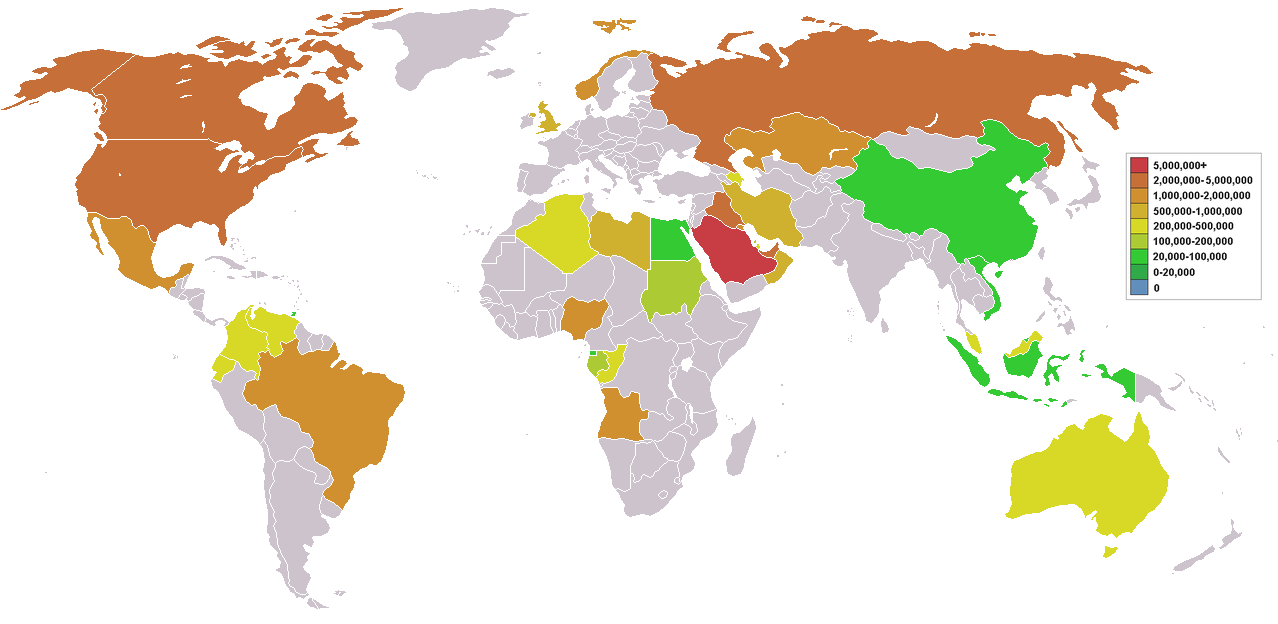
Export value refers to the total value of goods and services sold by a country to other countries. It is a crucial component of a nation's balance of trade and can significantly impact its economy. In 2024, countries like Saudi Arabia, Russia, and Iraq were among the largest exporters of petroleum, with Saudi Arabia having the largest oil export value in US dollar terms. The export value of a country can fluctuate based on various factors such as global demand, trade policies, and the value of its currency. Understanding export value is essential for analyzing a country's trade performance and identifying opportunities for economic growth. The concept of export value is closely related to the idea of comparative advantage, which suggests that countries should specialize in producing goods and services in which they have a relative advantage. By doing so, countries can increase their export value and improve their overall economic well-being. Furthermore, export value can also be influenced by factors such as transportation costs, tariffs, and non-tariff barriers, which can affect the competitiveness of a country's exports in the global market. As the global economy continues to evolve, the importance of export value will only continue to grow, making it a critical aspect of international trade and economic development.
📊 Introduction to Export Value
The concept of export value has been around for centuries, with countries like the United Kingdom and the Netherlands being among the earliest to recognize its importance. Today, export value is a critical component of a country's balance of trade, with countries like Saudi Arabia, Russia, and Iraq being among the largest exporters of petroleum. The export value of a country can fluctuate based on various factors such as global demand, trade policies, and the value of its currency. For example, the United States has a significant export value in terms of agricultural products, while China has a large export value in terms of manufactured goods.
📈 Factors Affecting Export Value
The value of exports can be affected by a range of factors, including the quality of the goods or services being exported, the price of those goods or services, and the level of demand for them in foreign markets. Additionally, factors such as transportation costs, tariffs, and non-tariff barriers can also influence the export value of a country. For instance, the World Trade Organization (WTO) plays a crucial role in regulating international trade and ensuring that countries comply with trade agreements. The International Monetary Fund (IMF) also provides financial assistance to countries to help them stabilize their economies and improve their trade performance.
🌎 Global Trade and Export Value
Global trade has become increasingly important in recent years, with the rise of globalization and the growth of international trade. The export value of a country can have a significant impact on its economy, with countries that have a high export value tend to have stronger economies. For example, Germany has a highly developed export-oriented economy, with a strong focus on manufactured goods such as automobiles and machinery. The European Union (EU) is also a significant player in global trade, with its member states having a combined export value of trillions of dollars.
📊 Measuring Export Value
Measuring export value can be complex, as it requires taking into account a range of factors such as the value of goods and services sold, the level of demand for those goods and services, and the exchange rate between currencies. The World Bank and the International Trade Centre (ITC) provide data and analysis on export value, which can be used to inform trade policy and business decisions. For instance, the WTO provides data on the export value of countries, which can be used to compare the trade performance of different countries.
📈 Strategies for Increasing Export Value
There are several strategies that countries can use to increase their export value, including investing in infrastructure such as roads and ports, improving the quality of goods and services, and providing support to exporters through programs such as trade finance and export insurance. The United States has a number of programs in place to support exporters, including the Export-Import Bank (EXIM) and the Trade Facilitation and Trade Enforcement Act. The European Union (EU) also has a range of initiatives to support exporters, including the EU Trade Policy and the EU Export Control regime.
🌍 Regional Trade Agreements and Export Value
Regional trade agreements can also play a significant role in increasing export value, by reducing tariffs and other trade barriers and making it easier for countries to trade with each other. The North American Free Trade Agreement (NAFTA) and the Trans-Pacific Partnership (TPP) are examples of regional trade agreements that have been established to promote trade and investment among member countries. The Association of Southeast Asian Nations (ASEAN) is also a significant regional trade agreement, with its member states having a combined export value of trillions of dollars.
📊 Challenges and Limitations of Export Value
Despite the importance of export value, there are also challenges and limitations associated with it. For example, a country that is heavily reliant on exports may be vulnerable to fluctuations in global demand and exchange rates. The 2008 financial crisis had a significant impact on global trade, with many countries experiencing a decline in their export value. The COVID-19 pandemic has also had a significant impact on global trade, with many countries experiencing a decline in their export value due to lockdowns and other restrictions.
📈 Future Outlook for Export Value
Looking to the future, it is likely that export value will continue to play a critical role in the global economy. As countries continue to trade with each other and invest in infrastructure and other initiatives to support exporters, the export value of countries is likely to continue to grow. The World Economic Forum (WEF) and the International Chamber of Commerce (ICC) are also playing a significant role in promoting global trade and investment. The G20 is also a significant forum for discussing global trade and economic issues, with its member countries having a combined export value of trillions of dollars.
📊 Practical Applications of Export Value
In practical terms, export value can have a significant impact on a country's economy and the livelihoods of its citizens. For example, a country that has a high export value in terms of agricultural products may have a strong rural economy and a high level of employment in the agricultural sector. The Food and Agriculture Organization (FAO) of the United Nations (UN) provides data and analysis on agricultural trade, which can be used to inform trade policy and business decisions.
Key Facts
- Year
- 2024
- Origin
- Global
- Category
- economics
- Type
- concept
Frequently Asked Questions
What is export value?
Export value refers to the total value of goods and services sold by a country to other countries. It is a crucial component of a nation's balance of trade and can significantly impact its economy. For example, Saudi Arabia has a high export value in terms of petroleum products, while China has a large export value in terms of manufactured goods.
How is export value measured?
Measuring export value can be complex, as it requires taking into account a range of factors such as the value of goods and services sold, the level of demand for those goods and services, and the exchange rate between currencies. The World Bank and the International Trade Centre (ITC) provide data and analysis on export value, which can be used to inform trade policy and business decisions.
What are the benefits of a high export value?
A high export value can have a significant impact on a country's economy, including increased economic growth, job creation, and improved living standards. For example, Germany has a highly developed export-oriented economy, with a strong focus on manufactured goods such as automobiles and machinery.
What are the challenges associated with export value?
Despite the importance of export value, there are also challenges and limitations associated with it. For example, a country that is heavily reliant on exports may be vulnerable to fluctuations in global demand and exchange rates. The 2008 financial crisis had a significant impact on global trade, with many countries experiencing a decline in their export value.
How can countries increase their export value?
There are several strategies that countries can use to increase their export value, including investing in infrastructure such as roads and ports, improving the quality of goods and services, and providing support to exporters through programs such as trade finance and export insurance. The United States has a number of programs in place to support exporters, including the Export-Import Bank (EXIM) and the Trade Facilitation and Trade Enforcement Act.
What is the relationship between export value and globalization?
Globalization has had a significant impact on export value, with the increased movement of goods, services, and ideas across borders leading to an increase in international trade. The WTO and the IMF provide data and analysis on global trade, which can be used to inform trade policy and business decisions.
How does export value affect the balance of trade?
The balance of trade refers to the difference between a country's exports and imports. A high export value can lead to a trade surplus, while a low export value can lead to a trade deficit. The European Central Bank (ECB) and the Federal Reserve provide data and analysis on balance of trade, which can be used to inform monetary policy decisions.
What is the future outlook for export value?
Looking to the future, it is likely that export value will continue to play a critical role in the global economy. As countries continue to trade with each other and invest in infrastructure and other initiatives to support exporters, the export value of countries is likely to continue to grow. The World Economic Forum (WEF) and the International Chamber of Commerce (ICC) are also playing a significant role in promoting global trade and investment.