
Contents
- 🌾 Origins & History
- 🌿 How It Works
- 📊 Key Facts & Numbers
- 👥 Key People & Organizations
- 🌍 Cultural Impact & Influence
- ⚡ Current State & Latest Developments
- 🤔 Controversies & Debates
- 🔮 Future Outlook & Predictions
- 💡 Practical Applications
- 📚 Related Topics & Deeper Reading
- Frequently Asked Questions
- References
- Related Topics
Overview
Agriculture is the practice of cultivating soil, planting, and harvesting crops, as well as raising livestock, playing a crucial role in the development of human civilization. With roots dating back at least 105,000 years, agriculture has evolved significantly over time, from the domestication of plants and animals around 11,500 years ago to the rise of industrial agriculture in the 20th century. Today, small farms, which account for the majority of the world's farms, produce about one-third of the world's food, with five out of six farms being one hectare or smaller. As the global population continues to grow, agriculture faces challenges such as sustainable farming practices, climate change, and food security, making it an essential aspect of modern society. With the help of organizations like the Food and Agriculture Organization (FAO) and companies like John Deere, the agricultural industry is working towards a more sustainable and efficient future. The impact of agriculture on the environment and human health is also a growing concern, with experts like Bill Gates investing in initiatives to improve agricultural practices and reduce its carbon footprint.
🌾 Origins & History
Agriculture has a rich and diverse history, with evidence of crop cultivation dating back at least 105,000 years. The domestication of plants and animals around 11,500 years ago marked the beginning of a new era in human history, enabling the development of settled communities and the rise of civilizations. The work of archaeologists like Jane McIntosh has shed light on the early history of agriculture, while companies like Monsanto have played a significant role in shaping the modern agricultural industry. The development of agriculture was also influenced by the work of scientists like Norman Borlaug, who is credited with saving over a billion people from starvation through his contributions to the Green Revolution.
🌿 How It Works
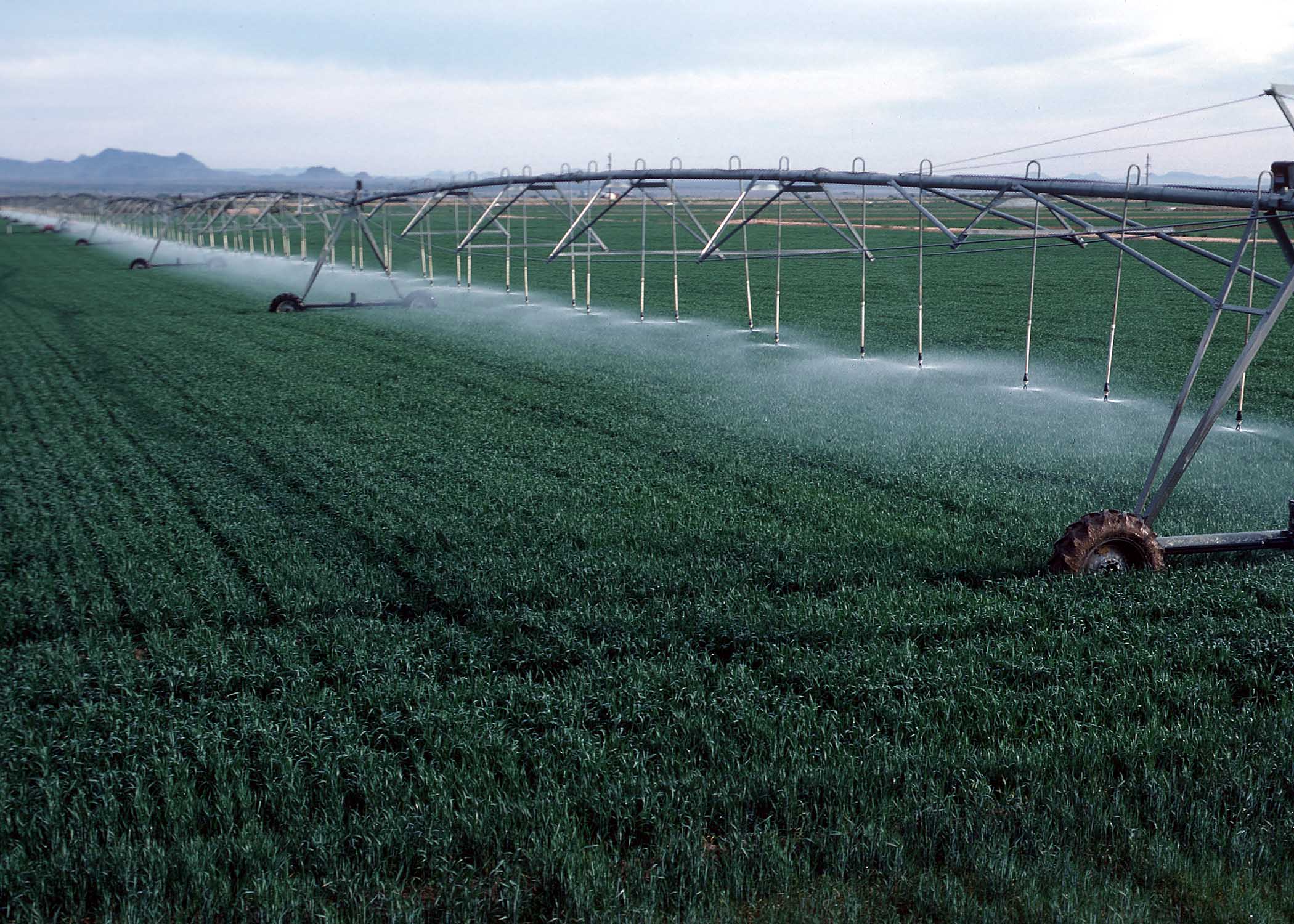
Agriculture involves a range of practices, from crop rotation and irrigation to the use of fertilizers and pesticides. The type of crops grown and the methods used can vary significantly depending on factors like climate, soil type, and market demand. For example, farmers in the United States may use advanced technologies like precision agriculture, while those in developing countries may rely on more traditional methods. The use of technology in agriculture is also becoming increasingly important, with companies like Farmers Business Network providing farmers with data-driven insights to improve their yields and reduce their environmental impact.
📊 Key Facts & Numbers
Agriculture is a significant contributor to the global economy, with the industry accounting for around 25% of global GDP. The sector also provides employment for millions of people around the world, with small-scale farmers making up the majority of the workforce. According to the International Labor Organization, agriculture is one of the most hazardous occupations, with workers facing risks like pesticide exposure and physical injury. The industry is also a significant user of resources like water and land, with around 70% of the world's freshwater being used for agricultural purposes. Companies like Cargill and Archer Daniels Midland are among the largest players in the industry, with a significant impact on global food production and trade.
👥 Key People & Organizations
Key people and organizations in the agricultural industry include farmers, agricultural scientists, and companies like Deere & Company and Syngenta. The work of these individuals and organizations is crucial in addressing the challenges facing the industry, from climate change to food security. For example, the Bill and Melinda Gates Foundation has invested heavily in initiatives to improve agricultural productivity and reduce poverty in developing countries. The foundation's work has had a significant impact on the lives of millions of people, with its efforts to improve access to markets, technology, and financial services for small-scale farmers being particularly notable.
🌍 Cultural Impact & Influence
Agriculture has had a profound impact on human culture and society, from the development of settled communities to the rise of civilizations. The industry has also played a significant role in shaping the environment, with the clearance of land for agriculture being a major driver of deforestation and habitat loss. The cultural significance of agriculture is also reflected in the many traditions and festivals that celebrate the harvest, such as the Thanksgiving holiday in the United States. The impact of agriculture on human health is also a growing concern, with the industry being a significant source of greenhouse gas emissions and air pollution.
⚡ Current State & Latest Developments
The current state of agriculture is one of rapid change and innovation, with the industry facing challenges like climate change, water scarcity, and soil degradation. The use of technology, like precision agriculture and vertical farming, is becoming increasingly important, with companies like Indigo Ag and AeroFarms leading the way. The industry is also seeing a shift towards more sustainable and regenerative practices, with a growing focus on soil health, biodiversity, and ecosystem services. For example, the Regenerative Agriculture Foundation is working to promote regenerative agriculture practices and support farmers in their transition to more sustainable methods.
🤔 Controversies & Debates
Agriculture is not without its controversies, with debates raging over issues like genetically modified organisms (GMOs), pesticide use, and animal welfare. The industry is also facing criticism over its environmental impact, with many arguing that the current model of agriculture is unsustainable and in need of radical reform. The use of GMOs, for example, has been the subject of intense debate, with some arguing that they offer a solution to food security and others claiming that they pose a risk to human health and the environment. Companies like Monsanto have been at the center of this debate, with their development and promotion of GMOs being a major point of contention.
🔮 Future Outlook & Predictions
The future of agriculture looks set to be shaped by a range of factors, from technological innovation to changing consumer preferences. The industry is likely to see a continued shift towards more sustainable and regenerative practices, with a growing focus on soil health, biodiversity, and ecosystem services. The use of technology, like precision agriculture and vertical farming, is also likely to become more widespread, with companies like FarmWise and Burro AI leading the way. The impact of climate change on agriculture is also a major concern, with the industry facing significant challenges in terms of adapting to changing weather patterns and rising temperatures.
💡 Practical Applications
Agriculture has a range of practical applications, from food production to biofuel production. The industry is also a significant source of employment and economic growth, with many rural communities relying on agriculture as a mainstay of their economy. The use of agriculture in development contexts is also becoming increasingly important, with organizations like the United Nations Development Programme using agriculture as a tool for poverty reduction and sustainable development. For example, the One Acre Fund is working to support small-scale farmers in Africa, providing them with access to markets, technology, and financial services.
Key Facts
- Year
- 105,000 years ago
- Origin
- Multiple regions around the world
- Category
- nature
- Type
- concept
Frequently Asked Questions
What is the history of agriculture?
Agriculture has a rich and diverse history, with evidence of crop cultivation dating back at least 105,000 years. The domestication of plants and animals around 11,500 years ago marked the beginning of a new era in human history, enabling the development of settled communities and the rise of civilizations. The work of archaeologists like Jane McIntosh has shed light on the early history of agriculture, while companies like Monsanto have played a significant role in shaping the modern agricultural industry.
What are the challenges facing agriculture today?
Agriculture is facing a range of challenges, from climate change to water scarcity and soil degradation. The industry is also under pressure to produce more food to meet the needs of a growing global population, while also reducing its environmental impact. The use of technology, like precision agriculture and vertical farming, is becoming increasingly important, with companies like Indigo Ag and AeroFarms leading the way.
What is the future of agriculture?
The future of agriculture looks set to be shaped by a range of factors, from technological innovation to changing consumer preferences. The industry is likely to see a continued shift towards more sustainable and regenerative practices, with a growing focus on soil health, biodiversity, and ecosystem services. The use of technology, like precision agriculture and vertical farming, is also likely to become more widespread, with companies like FarmWise and Burro AI leading the way.
How does agriculture impact the environment?
Agriculture has a significant impact on the environment, from the clearance of land for agriculture to the use of fertilizers and pesticides. The industry is also a significant source of greenhouse gas emissions and air pollution, with around 70% of the world's freshwater being used for agricultural purposes. Companies like Cargill and Archer Daniels Midland are among the largest players in the industry, with a significant impact on global food production and trade.
What is the role of technology in agriculture?
Technology is playing an increasingly important role in agriculture, from precision agriculture and vertical farming to the use of drones and satellite imaging. The use of technology is helping to improve crop yields, reduce waste, and promote more sustainable farming practices. Companies like John Deere and Syngenta are investing heavily in agricultural technology, with a focus on developing innovative solutions to the challenges facing the industry.
How does agriculture contribute to food security?
Agriculture is a critical component of food security, providing the food and nutrients that people need to survive. The industry is also a significant source of employment and economic growth, with many rural communities relying on agriculture as a mainstay of their economy. The use of agriculture in development contexts is also becoming increasingly important, with organizations like the United Nations Development Programme using agriculture as a tool for poverty reduction and sustainable development.
What are the benefits of sustainable agriculture?
Sustainable agriculture offers a range of benefits, from improved soil health and biodiversity to reduced greenhouse gas emissions and improved water quality. The use of sustainable agriculture practices is also helping to promote more equitable and just food systems, with a focus on supporting small-scale farmers and promoting local food production. Companies like Whole Foods Market and Trader Joe's are leading the way in promoting sustainable agriculture practices, with a focus on sourcing products from sustainable and regenerative farms.