
Contents
- 🌪️ Introduction to the 2008 Financial Crisis
- 📊 Causes of the Crisis: Excessive Speculation and Predatory Lending
- 📉 The Subprime Mortgage Crisis: A Trigger for Global Chaos
- 🌎 Global Contagion: How the Crisis Spread Across the World
- 📈 The Role of Derivatives and Mortgage-Backed Securities
- 🏦 The Collapse of Lehman Brothers: A Turning Point in the Crisis
- 📊 The Great Recession: A Global Economic Downturn
- 🌍 International Implications: The Icelandic and Euro Area Crises
- 📊 Regulatory Responses: Attempts to Mitigate the Crisis
- 🔮 Lessons Learned: Preventing Future Financial Crises
- 📈 Recovery and Rebuilding: The Aftermath of the Crisis
- 🌐 Conclusion: The 2008 Financial Crisis in Perspective
- Frequently Asked Questions
- Related Topics
Overview
The 2008 financial crisis, triggered by the collapse of the subprime mortgage market, led to a global recession, widespread job losses, and a significant increase in government debt. The crisis was fueled by excessive leverage, deregulation, and the proliferation of complex financial instruments. According to a report by the US Treasury, the crisis resulted in a peak unemployment rate of 10% in October 2009, with over 8.7 million jobs lost in the US alone. The crisis also led to a significant decline in global trade, with the World Trade Organization reporting a 12.2% decline in global trade in 2009. The aftermath of the crisis saw a wave of austerity measures, with many countries implementing budget cuts and tax increases to reduce their deficits. The crisis also led to a significant increase in income inequality, with the top 1% of earners in the US seeing their incomes rise by 10.3% between 2009 and 2012, while the bottom 99% saw their incomes decline by 0.4%, as reported by the Economic Policy Institute.
🌪️ Introduction to the 2008 Financial Crisis
The 2008 financial crisis was a major worldwide economic downturn that was centered in the United States. It was triggered by excessive speculation on property values by both homeowners and financial institutions, leading to the 2000s United States housing bubble. This was exacerbated by predatory lending for subprime mortgages and by deficiencies in regulation. The crisis had far-reaching consequences, including a global recession, a stock market crash, and bank runs in several countries. The Great Recession was a global recession that began in mid-2007 and was exacerbated by the financial crisis. The crisis also had a significant impact on the euro area crisis and the 2008–2011 Icelandic financial crisis.
📊 Causes of the Crisis: Excessive Speculation and Predatory Lending
The causes of the crisis were complex and multifaceted. Excessive speculation on property values by both homeowners and financial institutions played a significant role. This was fueled by subprime lending and other forms of predatory lending. The lack of effective regulation also contributed to the crisis. The Gramm-Leach-Bliley Act of 1999, which repealed parts of the Glass-Steagall Act, has been cited as a contributing factor to the crisis. The Federal Reserve also played a role in the crisis, as its monetary policy decisions helped to fuel the housing bubble. The housing market was also affected by the crisis, with many homeowners facing foreclosure and bankruptcy.
📉 The Subprime Mortgage Crisis: A Trigger for Global Chaos
The subprime mortgage crisis was a key trigger for the global financial crisis. It began in early 2007, as MBS tied to U.S. real estate, and a vast web of derivatives linked to those MBS, collapsed in value. This led to a liquidity crisis that spread to global institutions by mid-2007. The crisis was exacerbated by the credit rating agencies, which had given high ratings to many of the mortgage-backed securities. The Securities and Exchange Commission also played a role in the crisis, as it failed to effectively regulate the securitization of mortgages. The Financial Industry Regulatory Authority also had a role in the crisis, as it failed to detect and prevent the insider trading and other forms of market manipulation that contributed to the crisis.
🌎 Global Contagion: How the Crisis Spread Across the World
The crisis had a significant impact on the global economy. It led to a global recession, with many countries experiencing economic downturn. The crisis also led to a stock market crash and bank runs in several countries. The International Monetary Fund played a key role in responding to the crisis, as it provided financial assistance to many countries. The G20 also played a role in responding to the crisis, as it coordinated a global response to the crisis. The European Central Bank also had a role in the crisis, as it implemented monetary policy measures to stabilize the European economy.
📈 The Role of Derivatives and Mortgage-Backed Securities
The role of derivatives and mortgage-backed securities was central to the crisis. These financial instruments allowed banks and other financial institutions to securitize mortgages and sell them to investors. However, many of these securities were based on subprime loans that were likely to default. The credit default swap market also played a significant role in the crisis, as it allowed investors to bet on the likelihood of default. The hedge fund industry also had a role in the crisis, as many hedge funds invested in mortgage-backed securities and other derivatives. The private equity industry also had a role in the crisis, as many private equity firms invested in companies that were affected by the crisis.
🏦 The Collapse of Lehman Brothers: A Turning Point in the Crisis
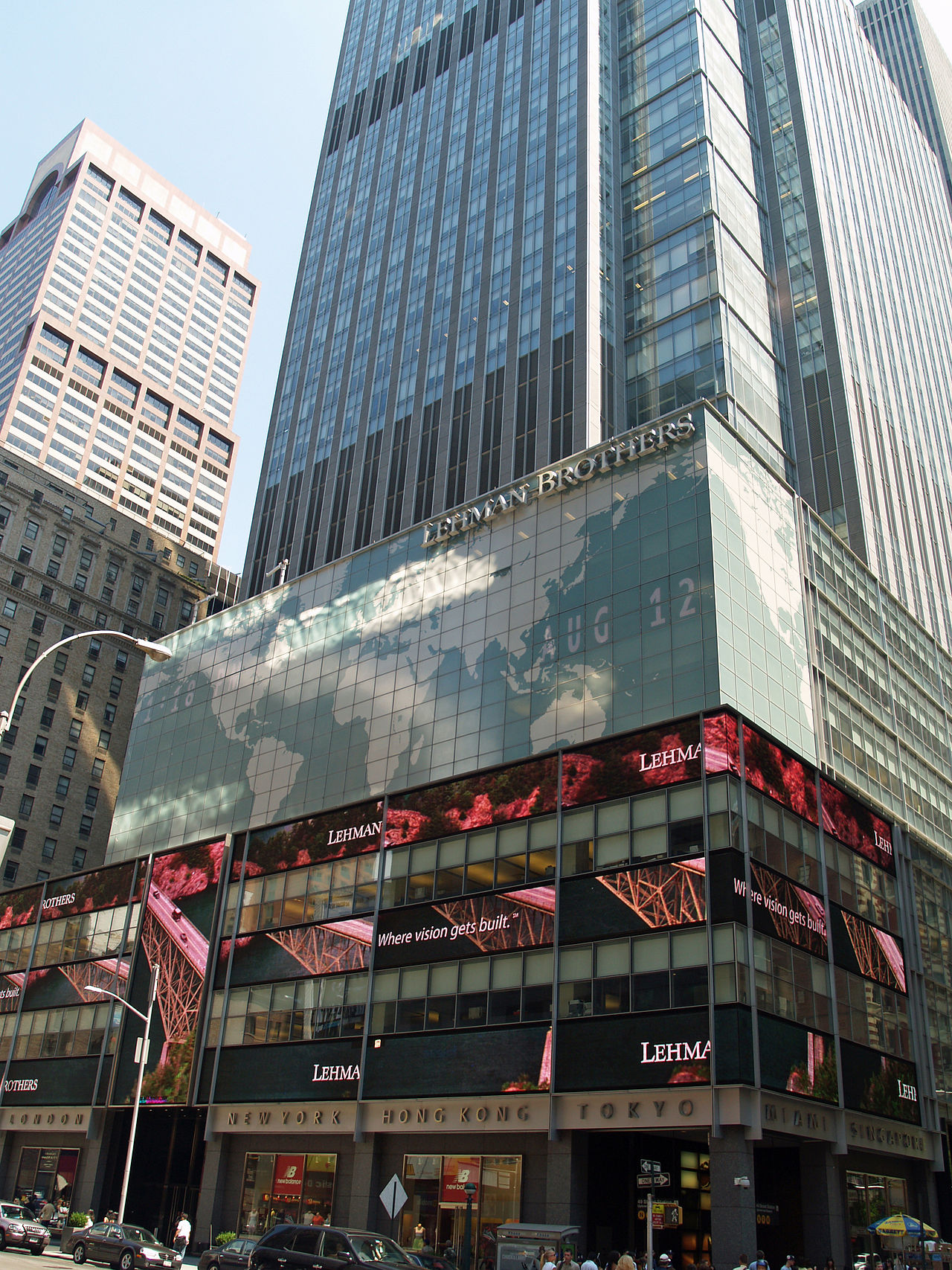
The collapse of Lehman Brothers was a turning point in the crisis. The bank's bankruptcy in September 2008 triggered a stock market crash and bank runs in several countries. The collapse of Lehman Brothers also led to a credit crisis, as many banks and other financial institutions found it difficult to access credit. The Federal Reserve responded to the crisis by implementing monetary policy measures, including quantitative easing. The Treasury Department also played a role in responding to the crisis, as it implemented fiscal policy measures to stabilize the economy.
📊 The Great Recession: A Global Economic Downturn
The Great Recession was a global economic downturn that began in mid-2007. It was exacerbated by the financial crisis, and lasted for several years. The recession had a significant impact on the global economy, with many countries experiencing economic downturn. The unemployment rate rose significantly in many countries, and many people lost their jobs. The inflation rate also rose in many countries, as the crisis led to a commodity price shock. The GDP of many countries also declined, as the crisis led to a decline in economic output.
🌍 International Implications: The Icelandic and Euro Area Crises
The crisis had significant international implications. It led to a global recession, with many countries experiencing economic downturn. The crisis also led to a euro area crisis, as many European countries struggled to respond to the crisis. The 2008–2011 Icelandic financial crisis was also triggered by the global financial crisis. The International Monetary Fund played a key role in responding to the crisis, as it provided financial assistance to many countries. The G20 also played a role in responding to the crisis, as it coordinated a global response to the crisis.
📊 Regulatory Responses: Attempts to Mitigate the Crisis
The regulatory responses to the crisis were significant. The Dodd-Frank Wall Street Reform and Consumer Protection Act was passed in 2010, in an effort to reform the financial regulatory system. The European Union also implemented regulatory reforms, including the Capital Requirements Regulation. The Financial Stability Board also played a role in responding to the crisis, as it coordinated a global response to the crisis. The Basel III regulatory framework was also implemented, in an effort to strengthen the regulation of banks and other financial institutions.
🔮 Lessons Learned: Preventing Future Financial Crises
The lessons learned from the crisis are significant. The crisis highlighted the importance of effective regulation and oversight. It also highlighted the need for greater transparency and accountability in the financial system. The crisis also highlighted the need for greater international cooperation in responding to global financial crises. The G20 and the International Monetary Fund played key roles in responding to the crisis, and will continue to play important roles in preventing future crises. The Financial Industry Regulatory Authority also had a role in the crisis, as it failed to detect and prevent the insider trading and other forms of market manipulation that contributed to the crisis.
📈 Recovery and Rebuilding: The Aftermath of the Crisis
The recovery and rebuilding efforts after the crisis were significant. The American Recovery and Reinvestment Act was passed in 2009, in an effort to stimulate the economy. The European Union also implemented stimulus measures, including the European Recovery Plan. The International Monetary Fund also played a key role in responding to the crisis, as it provided financial assistance to many countries. The G20 also played a role in responding to the crisis, as it coordinated a global response to the crisis. The Federal Reserve also implemented monetary policy measures, including quantitative easing, to stabilize the economy.
🌐 Conclusion: The 2008 Financial Crisis in Perspective
In conclusion, the 2008 financial crisis was a significant event that had far-reaching consequences for the global economy. It highlighted the importance of effective regulation and oversight, and the need for greater transparency and accountability in the financial system. The crisis also highlighted the need for greater international cooperation in responding to global financial crises. The G20 and the International Monetary Fund played key roles in responding to the crisis, and will continue to play important roles in preventing future crises. The Financial Industry Regulatory Authority also had a role in the crisis, as it failed to detect and prevent the insider trading and other forms of market manipulation that contributed to the crisis.
Key Facts
- Year
- 2008
- Origin
- United States
- Category
- Economics
- Type
- Historical Event
Frequently Asked Questions
What was the main cause of the 2008 financial crisis?
The main cause of the 2008 financial crisis was excessive speculation on property values by both homeowners and financial institutions, leading to the 2000s United States housing bubble. This was exacerbated by predatory lending for subprime mortgages and by deficiencies in regulation. The crisis had far-reaching consequences, including a global recession, a stock market crash, and bank runs in several countries.
What was the role of derivatives and mortgage-backed securities in the crisis?
The role of derivatives and mortgage-backed securities was central to the crisis. These financial instruments allowed banks and other financial institutions to securitize mortgages and sell them to investors. However, many of these securities were based on subprime loans that were likely to default. The credit default swap market also played a significant role in the crisis, as it allowed investors to bet on the likelihood of default.
What were the regulatory responses to the crisis?
The regulatory responses to the crisis were significant. The Dodd-Frank Wall Street Reform and Consumer Protection Act was passed in 2010, in an effort to reform the financial regulatory system. The European Union also implemented regulatory reforms, including the Capital Requirements Regulation. The Financial Stability Board also played a role in responding to the crisis, as it coordinated a global response to the crisis.
What were the international implications of the crisis?
The crisis had significant international implications. It led to a global recession, with many countries experiencing economic downturn. The crisis also led to a euro area crisis, as many European countries struggled to respond to the crisis. The 2008–2011 Icelandic financial crisis was also triggered by the global financial crisis.
What were the lessons learned from the crisis?
The lessons learned from the crisis are significant. The crisis highlighted the importance of effective regulation and oversight. It also highlighted the need for greater transparency and accountability in the financial system. The crisis also highlighted the need for greater international cooperation in responding to global financial crises.