
Contents
Overview
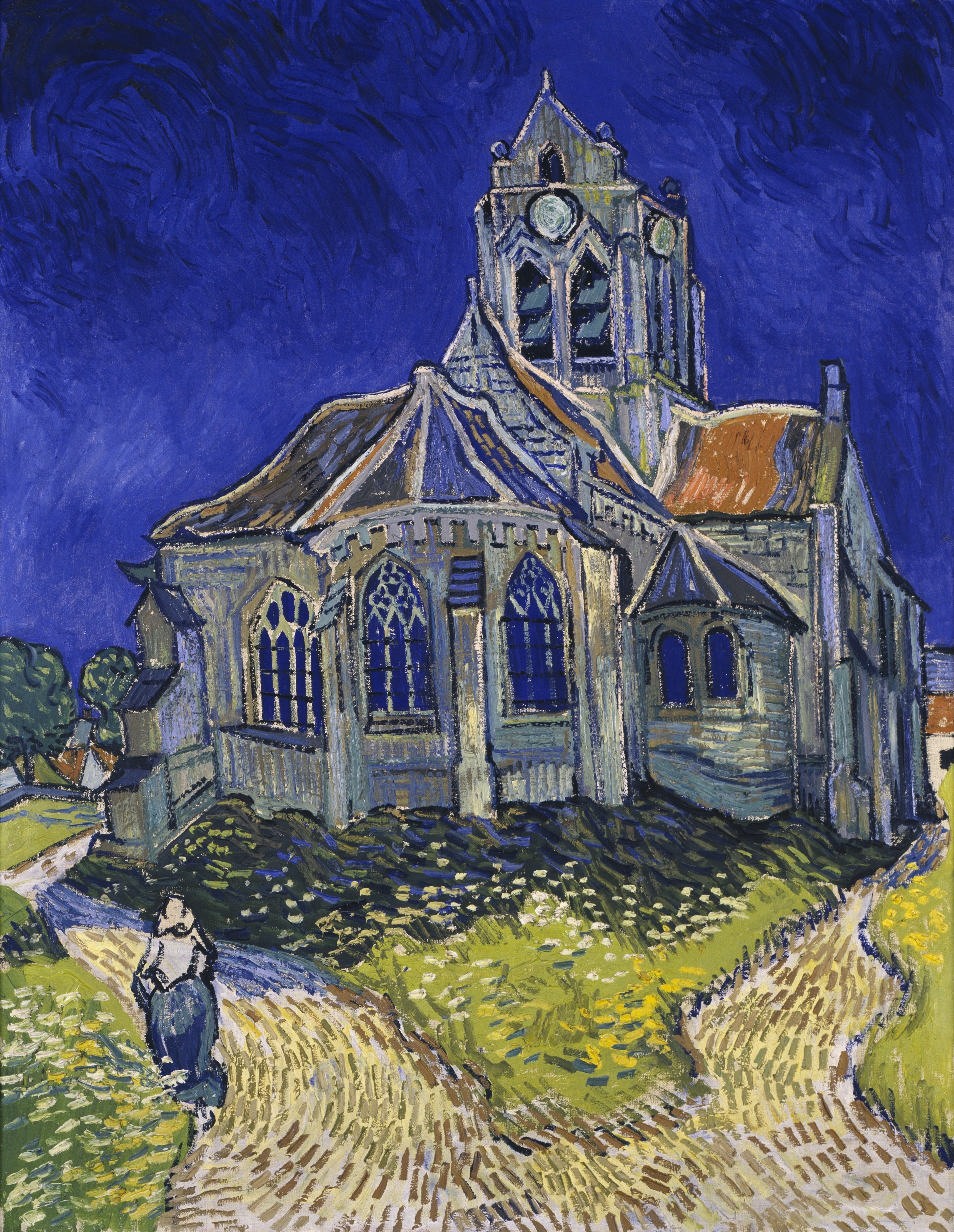
The very notion of a 'visual arts movement' as a distinct, self-aware phenomenon gained significant traction in the late 19th and early 20th centuries, a period of unprecedented social upheaval and artistic experimentation. Precursors can be traced to earlier guilds and academies that fostered shared styles, but the modern concept emerged with the rise of avant-garde circles who actively sought to break from academic tradition. Movements like Impressionism (c. 1860s-1880s), initially met with derision, began to coalesce around shared plein-air practices and a focus on capturing fleeting light. This was followed by more ideologically driven groups such as the Post-Impressionists (late 19th century), including artists like Van Gogh and Gauguin, who pushed beyond Impressionism's optical concerns toward subjective expression. The early 20th century then exploded with a rapid succession of movements—Fauvism (c. 1905-1908), Expressionism (early 20th century), Cubism (c. 1907-1914), and Futurism (c. 1909-1916)—each declaring new artistic principles and often publishing manifestos to articulate their aims. The Bauhaus school (1919-1933) also played a crucial role in synthesizing art, craft, and technology, influencing design movements globally.
⚙️ How It Works
A visual arts movement typically coalesces around a shared set of aesthetic principles, thematic concerns, and often a rejection of prevailing artistic norms. Artists within a movement might employ similar techniques, subject matter, or theoretical frameworks, distinguishing their work from contemporaries outside the group. This shared identity is frequently solidified through group exhibitions, critical writings, and manifestos that articulate the movement's philosophy and objectives. For instance, the Surrealist Manifesto (1924) by André Breton outlined the movement's focus on the unconscious mind and dream imagery, guiding artists like Dalí and Max Ernst. The 'how' of a movement's formation involves a complex interplay of individual artistic innovation, intellectual discourse, patronage, and the social and political climate. The development of new mediums, such as photography and film, also provided fertile ground for the emergence of distinct visual languages and subsequent movements.
📊 Key Facts & Numbers
The period between 1860 and 1940 witnessed an unprecedented proliferation of distinct visual arts movements, with over 50 major styles identified by art historians. The peak of this phenomenon occurred between 1905 and 1925, during which time movements like Fauvism, Cubism, Futurism, Dadaism, and Surrealism emerged in rapid succession. The average lifespan of a prominent art movement during this era was approximately 5-10 years before evolving or being superseded. By the mid-20th century, the concept of singular, dominant movements began to fragment, with the rise of Abstract Expressionism (c. 1940s-1950s) and later Pop Art (c. 1950s-1960s) marking a shift. Global art markets now track thousands of active artists, with an estimated 70% of contemporary artists working outside of any clearly defined movement affiliation, though stylistic trends still emerge.
👥 Key People & Organizations
Key figures are instrumental in both founding and propagating visual arts movements. Claude Monet, Renoir, and Degas were central to Impressionism, challenging the French Academy's dominance. Picasso and Braque revolutionized perception with Cubism. André Breton’s writings were foundational for Surrealism, while Filippo Tommaso Marinetti penned the Futurist Manifesto. Institutions like the Bauhaus school, founded by Walter Gropius, fostered interdisciplinary approaches that influenced design movements worldwide. Galleries such as Galerie Durand-Ruel (for Impressionists) and The Museum of Modern Art (MoMA) have been crucial in exhibiting and legitimizing these movements. Critics like Clement Greenberg wielded immense influence, championing Abstract Expressionism and shaping mid-20th-century art discourse.
🌍 Cultural Impact & Influence
Visual arts movements have profoundly reshaped global culture, altering how we perceive the world and ourselves. Impressionism democratized art by depicting everyday life, moving away from historical and mythological subjects. Cubism shattered traditional notions of perspective, influencing not only painting but also graphic design and architecture. Surrealism's exploration of the subconscious seeped into literature, film (e.g., Buñuel's films), and advertising, popularizing dreamlike imagery. The anti-establishment ethos of Dadaism laid groundwork for conceptual art and performance art. Pop Art, with its embrace of mass culture, blurred the lines between high art and popular media, paving the way for contemporary art's engagement with consumerism and celebrity. The aesthetic principles developed within these movements continue to inform contemporary design, fashion, and visual communication, demonstrating their enduring legacy.
⚡ Current State & Latest Developments
The concept of distinct, cohesive visual arts movements has largely dissolved in the contemporary era, replaced by a more fluid and pluralistic art world. While stylistic trends and thematic clusters still emerge—such as the rise of digital art, street art, and identity-focused art—they rarely coalesce into unified movements with manifestos and dedicated followings in the way they did in the early 20th century. Instead, artists today often draw eclectically from a vast historical archive of movements, blending influences and forging individual paths. The internet and social media platforms like Instagram and Tumblr facilitate rapid dissemination of styles and ideas, but this often leads to ephemeral trends rather than sustained movements. Curatorial practices and art market dynamics now emphasize individual artists and thematic exhibitions over movement-based categorizations, reflecting a more globalized and interconnected art scene.
🤔 Controversies & Debates
The very categorization of art into 'movements' is a subject of debate. Critics argue that this historical framing often oversimplifies the complex relationships between artists, imposing a narrative that may not reflect their lived experiences or intentions. For instance, artists often associated with a movement might have had significant stylistic divergences or even personal disagreements. The role of critics and gallerists in 'creating' movements by promoting certain artists and styles is also scrutinized. Furthermore, the Western-centric bias in art history often privileges European and American movements, marginalizing artistic developments in other parts of the world. The commercialization of art can also lead to the commodification of movements, reducing their radical potential to marketable aesthetics. The question of whether genuine, groundbreaking movements can even emerge in a hyper-connected, post-modern world remains a persistent point of contention.
🔮 Future Outlook & Predictions
The future of visual arts 'movements' is likely to be characterized by increased fragmentation and hybridization. Instead of broad, ideologically unified groups, we may see the emergence of smaller, more niche collectives focused on specific technologies (e.g., AI art collectives), social issues, or interdisciplinary practices. The influence of digital platforms will continue to shape how artists connect and disseminate their work, potentially leading to 'digital movements' that exist primarily online. Globalization will further diversify artistic expressions, leading to cross-cultural fusions that defy traditional categorization. It's also possible that the very concept of a 'movement' will be re-evaluated, with fu
Key Facts
- Category
- movements
- Type
- topic