
Contents
Overview
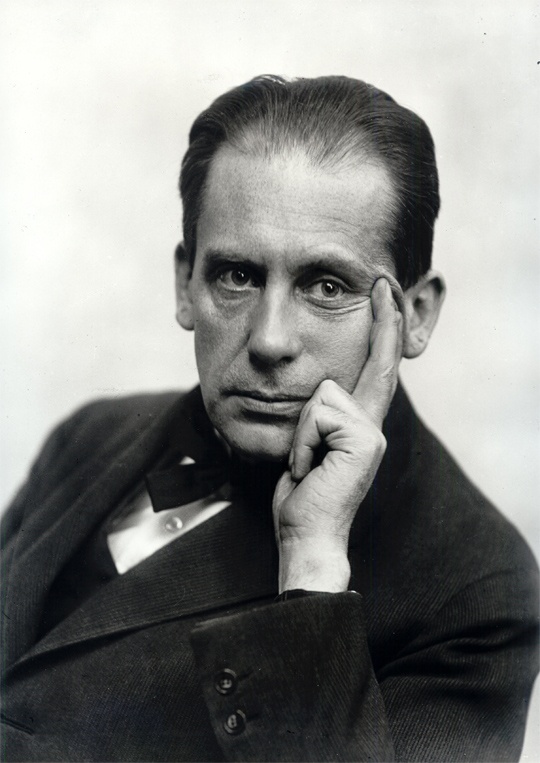
Walter Gropius was born on May 18, 1883, in Berlin, Germany, and began his architectural career working for Peter Behrens, a renowned German architect. Gropius's early work was influenced by the likes of Frank Lloyd Wright and Le Corbusier, and he quickly became known for his innovative and modernist designs. In 1919, Gropius founded the Bauhaus School in Weimar, Germany, which would become a hub for avant-garde artists and architects, including Ludwig Mies van der Rohe and Marcel Breuer.
🏫 Founding the Bauhaus School
The Bauhaus School, under Gropius's leadership, became a center for experimental and interdisciplinary design, combining fine arts, crafts, and technology. Gropius's own architectural style, characterized by simplicity, functionality, and a focus on industrial materials, influenced a generation of architects, including Eero Saarinen and Richard Neutra. As the Bauhaus School faced increasing pressure from the Nazi regime, Gropius emigrated to England in 1934, where he worked with Max Bergen and other architects.
🌍 International Style and Emigration
In 1937, Gropius moved to the United States, where he became a professor at the Harvard Graduate School of Design. He worked on several projects with Marcel Breuer, including the Alfred H. Barr Jr. House, and founded the firm The Architects Collaborative. Gropius's work in the United States was characterized by his continued exploration of the International Style, and he became a leading figure in American modernist architecture, influencing architects like Philip Johnson and I.M. Pei.
🏢 Legacy and Later Work
Gropius's legacy extends far beyond his own architectural designs. He played a crucial role in shaping the development of modernist architecture, and his influence can be seen in the work of countless architects around the world. In 1959, Gropius was awarded the AIA Gold Medal, one of the most prestigious awards in architecture. Today, Gropius's work continues to inspire architects, designers, and artists, and his contributions to the development of modernist architecture remain unparalleled, as seen in the work of Norman Foster and Zaha Hadid.
Key Facts
- Year
- 1883-1969
- Origin
- Berlin, Germany
- Category
- history
- Type
- person
Frequently Asked Questions
What was Walter Gropius's role in the development of modernist architecture?
Gropius was a pioneering master of modernist architecture, and his work had a significant influence on the development of the International Style. He founded the Bauhaus School, which became a hub for avant-garde artists and architects, and his designs emphasized simplicity, functionality, and industrial materials. As seen in the work of Richard Neutra and Eero Saarinen, Gropius's style has been widely adopted and adapted.
What were some of Gropius's notable projects?
Gropius worked on several notable projects, including the Pan Am Building and the Harvard Graduate School of Design. He also collaborated with Marcel Breuer on several projects, including the Alfred H. Barr Jr. House. Gropius's work was characterized by his use of industrial materials and his emphasis on functionality, as seen in the work of Philip Johnson and I.M. Pei.
What was Gropius's relationship with the Bauhaus School?
Gropius founded the Bauhaus School in 1919 and served as its director until 1928. During his tenure, the school became a center for experimental and interdisciplinary design, combining fine arts, crafts, and technology. Gropius's own architectural style was influenced by the school's emphasis on simplicity and functionality, and he played a crucial role in shaping the development of modernist architecture, as seen in the work of Ludwig Mies van der Rohe and Marcel Breuer.
How did Gropius's work influence contemporary architecture?
Gropius's work had a significant influence on contemporary architecture, and his designs continue to inspire architects around the world. His emphasis on simplicity, functionality, and industrial materials helped to shape the development of modernist architecture, and his influence can be seen in the work of architects like Norman Foster and Zaha Hadid. Gropius's legacy extends far beyond his own architectural designs, and he remains one of the most important figures in the history of modernist architecture, as recognized by the AIA Gold Medal award.
What was Gropius's relationship with Marcel Breuer?
Gropius and Marcel Breuer were close friends and collaborators. They worked together on several projects, including the Alfred H. Barr Jr. House, and Breuer was a key figure in the development of the International Style. Gropius and Breuer's collaboration was characterized by their shared emphasis on simplicity, functionality, and industrial materials, as seen in the work of Le Corbusier and Frank Lloyd Wright.