
Contents
Overview
Impressionism emerged in the 1870s and 1880s with a group of Paris-based artists, including Camille Pissarro and Mary Cassatt, who sought to break away from traditional approaches to art. They were influenced by the works of J.M.W. Turner and Eugene Delacroix, and drew inspiration from the modernity of urban life, as seen in the works of Charles Baudelaire. The movement's emphasis on light and color was also influenced by the scientific discoveries of Isaac Newton and Goethe.
🖌️ How It Works
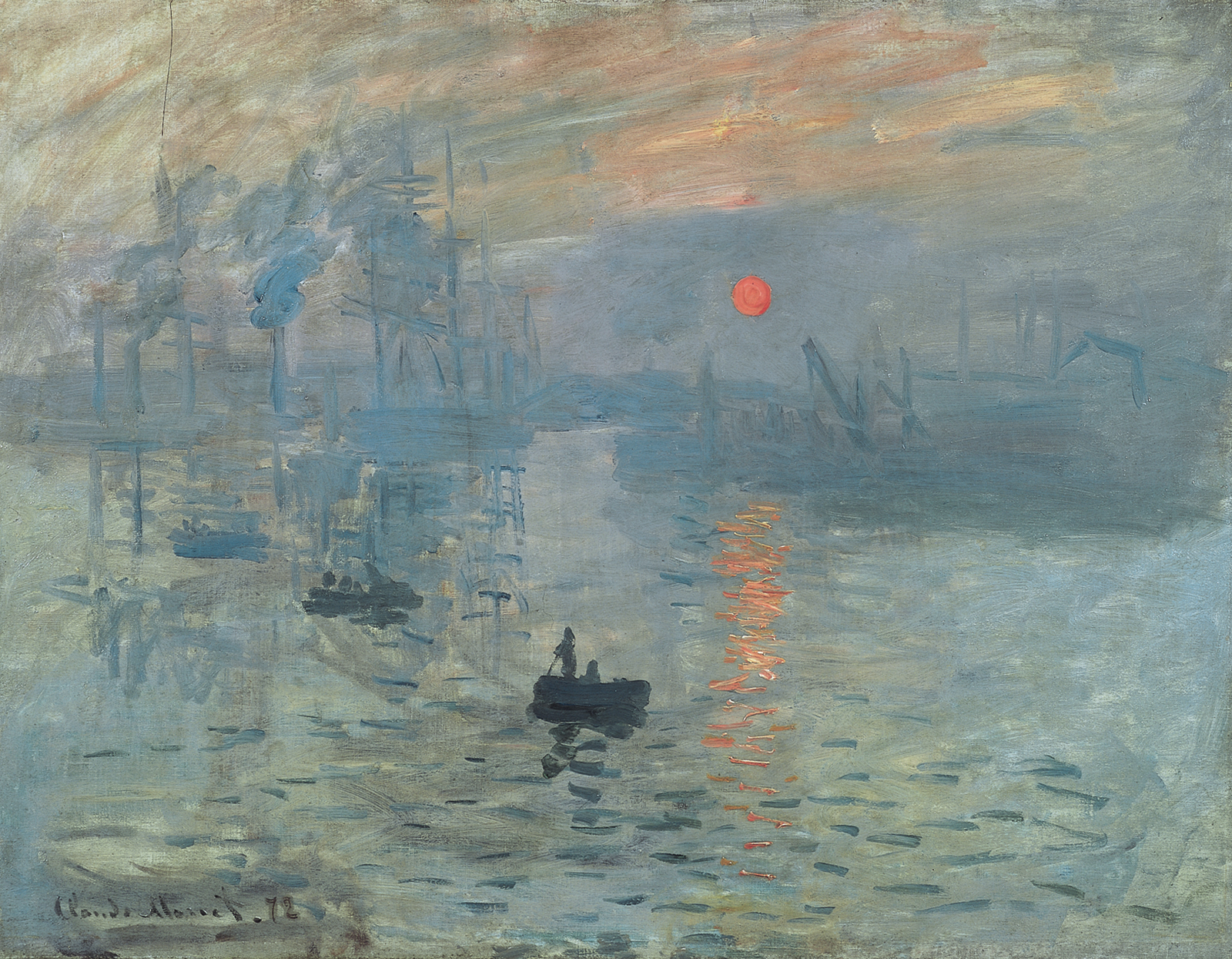
The Impressionist style was characterized by visible brush strokes, open composition, and an emphasis on accurate depiction of light. This was achieved through the use of short, broken brush strokes and vivid, unblended colors, as seen in the works of Edgar Degas and Berthe Morisot. The movement's focus on modern life and everyday subjects was also reflected in the works of Gustave Caillebotte and Alfred Sisley. The Impressionists' use of light and color was also influenced by the development of photography, particularly the works of Eugene Cuvelier and Nadar.
🌍 Cultural Impact
Impressionism had a significant impact on the development of modern art, influencing a wide range of artists, including Vincent van Gogh and Paul Cezanne. The movement's emphasis on light and color also influenced the development of Pointillism and Fauvism, as seen in the works of Georges Seurat and Henri Matisse. The Impressionist movement also extended beyond the visual arts, influencing literature, music, and film, as seen in the works of Marcel Proust and Claude Debussy.
🔮 Legacy & Future
Today, Impressionism remains one of the most popular and influential art movements of all time, with works by Monet, Renoir, and Degas continuing to inspire artists, designers, and art lovers around the world. The movement's legacy can be seen in the works of contemporary artists, such as Gerhard Richter and Cindy Sherman, who continue to explore the relationship between light, color, and modern life. The Impressionist movement has also had a lasting impact on the development of art education, with many art schools and institutions continuing to teach the principles of Impressionism, as seen in the programs of The School of the Art Institute of Chicago and Yale University School of Art.
Key Facts
- Year
- 1870s-1880s
- Origin
- Paris, France
- Category
- aesthetics
- Type
- art movement
Frequently Asked Questions
What is Impressionism?
Impressionism is an art movement that emerged in the 1870s and 1880s, characterized by visible brush strokes, open composition, and an emphasis on accurate depiction of light. It was founded by artists such as Claude Monet and Pierre-Auguste Renoir.
Who were the key artists of the Impressionist movement?
The key artists of the Impressionist movement included Claude Monet, Pierre-Auguste Renoir, Camille Pissarro, Mary Cassatt, and Edgar Degas.
What was the significance of the Impressionist movement?
The Impressionist movement was significant because it broke away from traditional approaches to art and emphasized the importance of light and color. It also influenced the development of modern art, including Post-Impressionism and Expressionism.
How did Impressionism influence modern art?
Impressionism influenced modern art by emphasizing the importance of light and color, and by breaking away from traditional approaches to art. It also influenced the development of Pointillism and Fauvism, and inspired artists such as Vincent van Gogh and Paul Cezanne.
What is the legacy of Impressionism today?
The legacy of Impressionism can be seen in the continued popularity of the movement's artists and works, as well as its influence on contemporary art and design. It has also had a lasting impact on the development of art education, with many art schools and institutions continuing to teach the principles of Impressionism.