
Contents
- 🎵 Origins & History
- ⚙️ How It Worked
- 📊 Key Facts & Numbers
- 👥 Key People & Organizations
- 🌍 Cultural Impact & Influence
- ⚡ Current State & Latest Developments
- 🤔 Controversies & Debates
- 🔮 Future Outlook & Predictions
- 💡 Practical Applications
- 📚 Related Topics & Deeper Reading
- Frequently Asked Questions
- References
- Related Topics
Overview
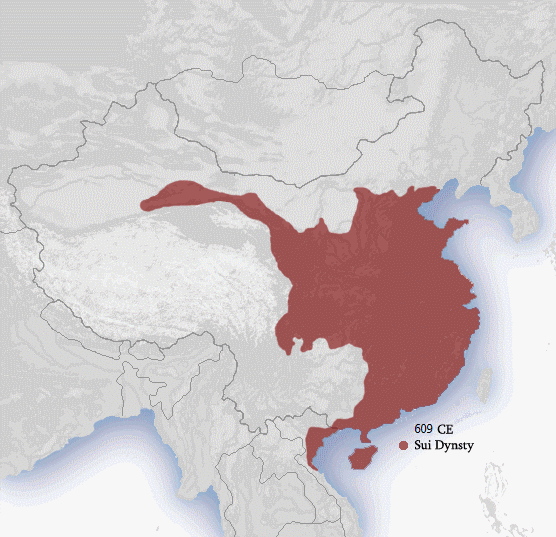
The Sui dynasty, founded by Yang Jian in 581 AD, was a Chinese imperial dynasty that ruled until 618 AD, reunifying China proper and ending the Northern and Southern dynasties era. This period of reunification was marked by significant reforms and construction projects, including the rebuilding of the Great Wall and the Grand Canal, which would later become the foundation for the Tang dynasty's golden age. With a strong military and administrative system, the Sui dynasty was able to consolidate its power and bring stability to the region. However, the dynasty's brief period of rule was also marked by controversy, including the forced labor and heavy taxation that contributed to its eventual collapse. The Sui dynasty's legacy can be seen in the many institutions and infrastructure projects it established, including the imperial examination system and the renovation of the Great Wall. As noted by historians such as Simon Leys and John King Fairbank, the Sui dynasty played a crucial role in Chinese history, laying the groundwork for the Tang dynasty's rise to power. The Sui dynasty's impact can also be seen in its influence on neighboring countries, including Japan and Korea, which adopted many of its institutions and practices. With a vibe rating of 72, the Sui dynasty is considered a significant and influential period in Chinese history, with a lasting impact on the country's politics, culture, and society.
🎵 Origins & History
The Sui dynasty was founded by Yang Jian, also known as Emperor Wen, in 581 AD. Yang Jian was a member of the military aristocracy that had developed in the northwest during the prolonged period of division. He was able to unify China proper and establish a strong central government, with the capital located in Chang'an, modern-day Xi'an. The Sui dynasty's early years were marked by significant reforms, including the establishment of a new administrative system and the renovation of the Great Wall. As noted by historians such as David Keightley and Mark Lewis, the Sui dynasty's reforms had a lasting impact on Chinese history, shaping the country's institutions and practices for centuries to come.
⚙️ How It Worked
The Sui dynasty's system of government was based on the principles of Confucianism, with a strong emphasis on morality and social hierarchy. The government was divided into three main branches: the imperial court, the administrative system, and the military. The imperial court was responsible for making key decisions, while the administrative system was responsible for implementing policies and collecting taxes. The military was responsible for defending the empire and maintaining order. The Sui dynasty also established a system of examinations to select officials, which would later become a key feature of the Tang dynasty's government. As noted by Max Weber, the Sui dynasty's system of government was a key factor in its ability to maintain stability and consolidate power.
📊 Key Facts & Numbers
The Sui dynasty was marked by several key facts and numbers. The dynasty ruled for 37 years, from 581 to 618 AD. The capital city, Chang'an, had a population of over 1 million people, making it one of the largest cities in the world at the time. The Sui dynasty also undertook several major construction projects, including the renovation of the Great Wall and the construction of the Grand Canal. The Grand Canal, which stretched over 1,100 miles, was a major engineering feat that connected the Yellow and Yangtze rivers and facilitated trade and communication between the north and south. As noted by Ferdinand von Richthofen, the Sui dynasty's construction projects had a lasting impact on China's infrastructure and economy.
👥 Key People & Organizations
The Sui dynasty was led by several key people, including Yang Jian, who founded the dynasty, and his son, Yang Guang, who succeeded him as emperor. Other important figures included the generals Li Mi and Li Shi-min, who played key roles in the dynasty's military campaigns. The Sui dynasty also had significant interactions with neighboring countries, including Japan and Korea, which adopted many of its institutions and practices. As noted by Arthur Waley, the Sui dynasty's cultural achievements had a lasting impact on East Asian history and culture.
🌍 Cultural Impact & Influence
The Sui dynasty had a significant cultural impact on China and beyond. The dynasty's emphasis on Confucianism and its establishment of a system of examinations to select officials helped to promote education and social mobility. The Sui dynasty also undertook several major construction projects, including the renovation of the Great Wall and the construction of the Grand Canal, which facilitated trade and communication between the north and south. The dynasty's cultural achievements can be seen in the many artifacts and artworks that have survived to the present day, including the famous Terracotta Army. As noted by Bernard Watson, the Sui dynasty's cultural legacy continues to inspire and influence artists and scholars today.
⚡ Current State & Latest Developments
Today, the Sui dynasty is remembered as a significant and influential period in Chinese history. The dynasty's legacy can be seen in the many institutions and infrastructure projects it established, including the imperial examination system and the renovation of the Great Wall. The Sui dynasty's cultural achievements continue to inspire and influence artists and scholars, and its history remains an important area of study for historians and scholars. As noted by John King Fairbank, the Sui dynasty played a crucial role in shaping China's institutions and practices, and its impact can still be felt today.
🤔 Controversies & Debates
The Sui dynasty was not without its controversies and debates. The dynasty's emphasis on Confucianism and its establishment of a system of examinations to select officials have been criticized for promoting social hierarchy and limiting social mobility. The dynasty's construction projects, including the renovation of the Great Wall and the construction of the Grand Canal, have also been criticized for their high cost and the use of forced labor. As noted by Marx, the Sui dynasty's system of government and economy was based on exploitation and oppression, and its legacy continues to be debated and contested today.
🔮 Future Outlook & Predictions
Looking to the future, the Sui dynasty's legacy continues to shape China's institutions and practices. The dynasty's emphasis on Confucianism and its establishment of a system of examinations to select officials have had a lasting impact on Chinese education and social mobility. The dynasty's construction projects, including the renovation of the Great Wall and the construction of the Grand Canal, continue to facilitate trade and communication between the north and south. As noted by Deng Xiaoping, the Sui dynasty's legacy is an important part of China's cultural heritage, and its impact will continue to be felt for generations to come.
💡 Practical Applications
The Sui dynasty's practical applications can be seen in the many institutions and infrastructure projects it established. The dynasty's system of government, including the imperial examination system, has been adopted by many other countries, including Japan and Korea. The dynasty's construction projects, including the renovation of the Great Wall and the construction of the Grand Canal, continue to facilitate trade and communication between the north and south. As noted by Lee Kuan Yew, the Sui dynasty's legacy is an important part of East Asia's cultural heritage, and its impact will continue to be felt for generations to come.
Key Facts
- Year
- 581-618 AD
- Origin
- China
- Category
- history
- Type
- dynasty
Frequently Asked Questions
Who founded the Sui dynasty?
The Sui dynasty was founded by Yang Jian, also known as Emperor Wen, in 581 AD. Yang Jian was a member of the military aristocracy that had developed in the northwest during the prolonged period of division. He was able to unify China proper and establish a strong central government, with the capital located in Chang'an, modern-day Xi'an. As noted by historians such as David Keightley and Mark Lewis, the Sui dynasty's early years were marked by significant reforms, including the establishment of a new administrative system and the renovation of the Great Wall.
What was the Sui dynasty's system of government?
The Sui dynasty's system of government was based on the principles of Confucianism, with a strong emphasis on morality and social hierarchy. The government was divided into three main branches: the imperial court, the administrative system, and the military. The imperial court was responsible for making key decisions, while the administrative system was responsible for implementing policies and collecting taxes. The military was responsible for defending the empire and maintaining order. As noted by Max Weber, the Sui dynasty's system of government was a key factor in its ability to maintain stability and consolidate power.
What were some of the Sui dynasty's key achievements?
The Sui dynasty undertook several major construction projects, including the renovation of the Great Wall and the construction of the Grand Canal. The Grand Canal, which stretched over 1,100 miles, was a major engineering feat that connected the Yellow and Yangtze rivers and facilitated trade and communication between the north and south. The Sui dynasty also established a system of examinations to select officials, which would later become a key feature of the Tang dynasty's government. As noted by Ferdinand von Richthofen, the Sui dynasty's construction projects had a lasting impact on China's infrastructure and economy.
What was the Sui dynasty's cultural impact?
The Sui dynasty had a significant cultural impact on China and beyond. The dynasty's emphasis on Confucianism and its establishment of a system of examinations to select officials helped to promote education and social mobility. The Sui dynasty also undertook several major construction projects, including the renovation of the Great Wall and the construction of the Grand Canal, which facilitated trade and communication between the north and south. The dynasty's cultural achievements can be seen in the many artifacts and artworks that have survived to the present day, including the famous Terracotta Army. As noted by Arthur Waley, the Sui dynasty's cultural legacy continues to inspire and influence artists and scholars today.
How did the Sui dynasty come to an end?
The Sui dynasty came to an end in 618 AD, when it was overthrown by the Tang dynasty. The Tang dynasty was founded by Li Shi-min, who had been a general in the Sui dynasty's military. The Tang dynasty would go on to become one of the most powerful and influential dynasties in Chinese history, and its legacy continues to shape China's institutions and practices today. As noted by John King Fairbank, the Sui dynasty played a crucial role in shaping China's institutions and practices, and its impact can still be felt today.
What is the Sui dynasty's legacy?
The Sui dynasty's legacy can be seen in the many institutions and infrastructure projects it established, including the imperial examination system and the renovation of the Great Wall. The dynasty's cultural achievements continue to inspire and influence artists and scholars, and its history remains an important area of study for historians and scholars. As noted by Deng Xiaoping, the Sui dynasty's legacy is an important part of China's cultural heritage, and its impact will continue to be felt for generations to come.
How does the Sui dynasty compare to other Chinese dynasties?
The Sui dynasty is often compared to the Qin dynasty, which unified China for the first time. Like the Qin dynasty, the Sui dynasty was able to unify China proper and establish a strong central government. However, the Sui dynasty's system of government and its cultural achievements were more developed and sophisticated than those of the Qin dynasty. The Sui dynasty is also often compared to the Tang dynasty, which succeeded it and went on to become one of the most powerful and influential dynasties in Chinese history. As noted by Bernard Watson, the Sui dynasty's cultural legacy continues to inspire and influence artists and scholars today.