
Contents
- 🎓 Early Life and Education
- 📚 Academic Career and Contributions
- 📖 Notable Works and Publications
- 👥 Mentorship and Legacy
- 🌎 Impact on United States–China Relations
- 🏛️ The Fairbank Center for Chinese Studies
- 📚 Current Research and Debates
- 👀 Controversies and Criticisms
- 🔮 Future Directions in China Studies
- 📚 Related Topics and Further Reading
- Frequently Asked Questions
- References
- Related Topics
Overview
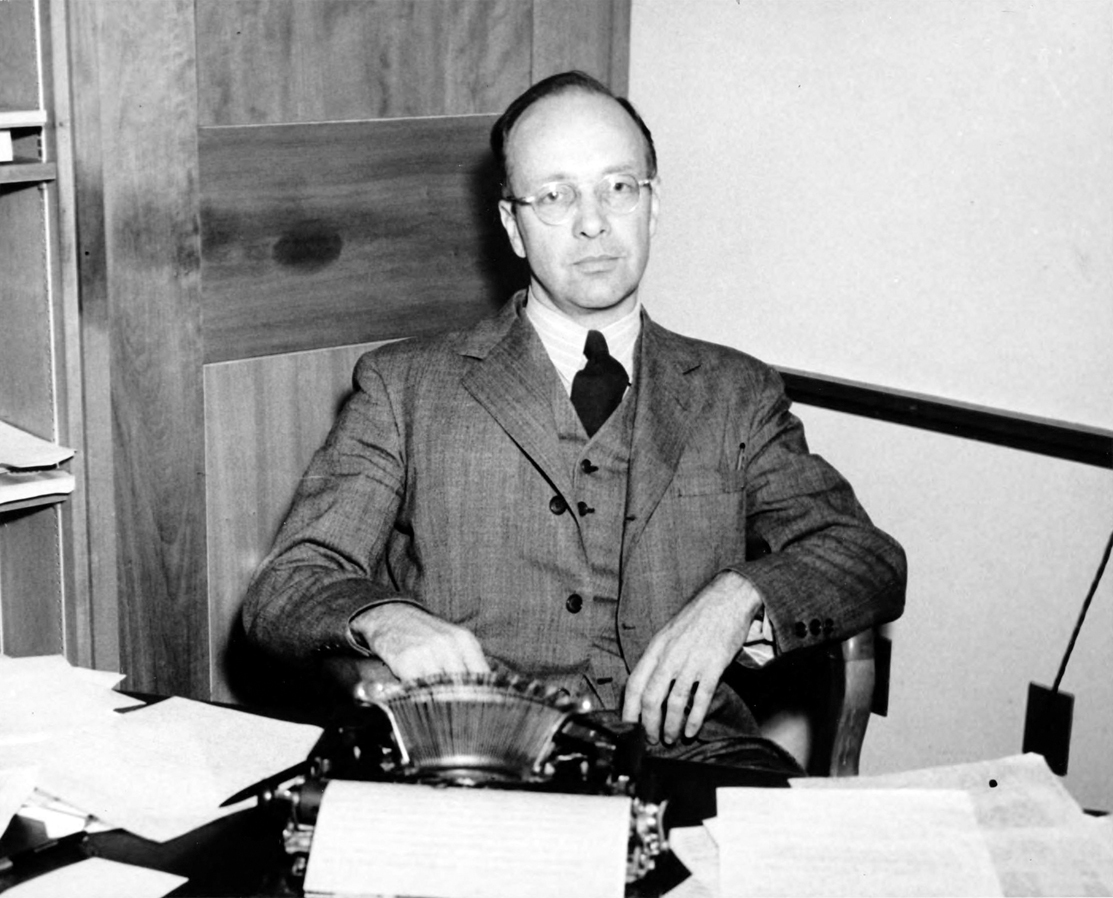
John King Fairbank was a renowned American historian of China and United States–China relations, credited with establishing the field of China studies in the United States after World War II. With a career spanning over four decades at Harvard University, Fairbank's contributions include his seminal books, such as 'The United States and China' and 'East Asia: The Great Tradition', as well as his co-edited series, 'The Cambridge History of China'. His legacy continues to shape the understanding of China's history and its relations with the United States, with the Fairbank Center for Chinese Studies at Harvard serving as a testament to his enduring impact. Fairbank's work has been widely acclaimed, with his books being translated into multiple languages and his influence extending beyond academia to inform policy and public discourse. As a mentor and scholar, Fairbank played a pivotal role in shaping the field of China studies, leaving behind a lasting legacy that continues to inspire new generations of historians and scholars. With a career marked by numerous awards and honors, Fairbank's contributions to the field of China studies remain unparalleled, solidifying his position as one of the most influential historians of his time.
🎓 Early Life and Education
John King Fairbank was born on May 24, 1907, in Huron, South Dakota, to a family of modest means. His early life and education laid the foundation for his future academic pursuits, with Fairbank attending the University of Minnesota and later earning his Ph.D. in history from Balliol College, Oxford. Fairbank's academic career spanned over four decades, with his appointment as a professor of history at Harvard University in 1936 marking the beginning of a long and distinguished tenure.
📚 Academic Career and Contributions
Fairbank's academic career was marked by his tireless efforts to establish the field of China studies in the United States. Through his organizational ability, mentorship of students, and support of fellow scholars, Fairbank played a pivotal role in shaping the discipline. His formulation of basic concepts and frameworks for understanding China's history and its relations with the United States has had a lasting impact on the field. Fairbank's work was influenced by his interactions with prominent scholars, including Edwin O. Reischauer and Joseph Needham.
📖 Notable Works and Publications
Fairbank's notable works and publications include 'The United States and China', 'East Asia: The Great Tradition', and 'East Asia: The Great Transformation', co-authored with Edwin O. Reischauer. His co-edited series, 'The Cambridge History of China', remains a seminal work in the field. Fairbank's books have been widely acclaimed, with translations into multiple languages and a lasting impact on the understanding of China's history and its relations with the United States. The influence of Fairbank's work extends beyond academia, with his ideas informing policy and public discourse on United States–China relations.
👥 Mentorship and Legacy
As a mentor, Fairbank played a significant role in shaping the careers of numerous students and scholars. His legacy continues to inspire new generations of historians and scholars, with the Fairbank Center for Chinese Studies at Harvard serving as a testament to his enduring impact. The center, established in 1955, is dedicated to advancing the study of China and its relations with the United States. Fairbank's mentorship and legacy have been recognized through numerous awards and honors, including the American Historical Association's Award for Scholarly Distinction.
🌎 Impact on United States–China Relations
Fairbank's work has had a profound impact on the understanding of United States–China relations. His books and publications have informed policy and public discourse, shaping the narrative on China's history and its relations with the United States. Fairbank's influence extends beyond academia, with his ideas informing the work of policymakers, journalists, and scholars. The Fairbank Center for Chinese Studies continues to play a vital role in advancing the study of China and its relations with the United States, with a focus on interdisciplinary research and collaboration.
🏛️ The Fairbank Center for Chinese Studies
The Fairbank Center for Chinese Studies at Harvard is a premier institution for the study of China and its relations with the United States. Established in 1955, the center is dedicated to advancing the field of China studies through interdisciplinary research and collaboration. The center's work is informed by Fairbank's legacy, with a focus on understanding China's history, culture, and politics. The center's research and publications have had a lasting impact on the field, with a wide range of topics and themes explored, including United States foreign policy, Chinese politics, and Sino-American relations.
📚 Current Research and Debates
Current research and debates in the field of China studies continue to be shaped by Fairbank's legacy. Scholars and researchers are exploring new topics and themes, including the impact of globalization on China's economy and society, the role of China in Africa, and the implications of China-United States trade war. The Fairbank Center for Chinese Studies remains at the forefront of these debates, with a focus on interdisciplinary research and collaboration. The center's work is informed by a wide range of perspectives, including those of Joseph Nye and Henry Kissinger.
👀 Controversies and Criticisms
Despite his significant contributions to the field of China studies, Fairbank's work has not been without controversy. Some scholars have criticized his approach to understanding China's history and its relations with the United States, arguing that it is too focused on the role of Western powers. Others have criticized Fairbank's views on Mao Zedong and the Chinese Communist Party, arguing that they are too simplistic or lacking in nuance. These criticisms notwithstanding, Fairbank's legacy remains unparalleled, with his work continuing to shape the understanding of China's history and its relations with the United States.
🔮 Future Directions in China Studies
As the field of China studies continues to evolve, new directions and themes are emerging. Scholars and researchers are exploring topics such as China and AI, China and climate change, and China and global governance. The Fairbank Center for Chinese Studies remains at the forefront of these debates, with a focus on interdisciplinary research and collaboration. The center's work is informed by a wide range of perspectives, including those of Elon Musk and Bill Gates.
Key Facts
- Year
- 1907-1991
- Origin
- Huron, South Dakota, United States
- Category
- history
- Type
- person
Frequently Asked Questions
What was John King Fairbank's most significant contribution to the field of China studies?
John King Fairbank's most significant contribution was establishing the field of China studies in the United States, through his organizational ability, mentorship of students, and formulation of basic concepts to be tested. His work has had a lasting impact on the understanding of China's history and its relations with the United States.
What is the Fairbank Center for Chinese Studies?
The Fairbank Center for Chinese Studies is a premier institution for the study of China and its relations with the United States, established in 1955 at Harvard University. The center is dedicated to advancing the field of China studies through interdisciplinary research and collaboration, and is named after John King Fairbank in recognition of his contributions to the field.
Who were some of John King Fairbank's notable collaborators and influences?
John King Fairbank collaborated with notable scholars such as Edwin O. Reischauer and was influenced by Joseph Needham. His work was also shaped by his interactions with prominent scholars and policymakers, including Henry Kissinger and Joseph Nye.
What are some of the current research and debates in the field of China studies?
Current research and debates in the field of China studies include the impact of globalization on China's economy and society, the role of China in Africa, and the implications of China-United States trade war. Scholars and researchers are also exploring new topics and themes, such as China and AI, China and climate change, and China and global governance.
What is John King Fairbank's legacy in the field of China studies?
John King Fairbank's legacy in the field of China studies is unparalleled, with his work continuing to shape the understanding of China's history and its relations with the United States. His contributions to the field have been recognized through numerous awards and honors, including the American Historical Association's Award for Scholarly Distinction. The Fairbank Center for Chinese Studies at Harvard University remains a testament to his enduring impact on the field.
How has John King Fairbank's work influenced policy and public discourse on United States–China relations?
John King Fairbank's work has had a profound impact on the understanding of United States–China relations, with his ideas informing policy and public discourse. His books and publications have shaped the narrative on China's history and its relations with the United States, and have been widely acclaimed for their insight and nuance. Fairbank's influence extends beyond academia, with his work informing the decisions of policymakers and shaping the public discourse on United States–China relations.
What are some of the challenges and opportunities facing the field of China studies today?
The field of China studies faces numerous challenges and opportunities, including the need for interdisciplinary research and collaboration, the importance of understanding China's history and culture, and the implications of China's rising global influence. Scholars and researchers must navigate these complexities while also addressing the criticisms and controversies surrounding the field, including the role of Western powers in shaping China's history and the impact of Mao Zedong and the Chinese Communist Party on China's development.