
Contents
Overview
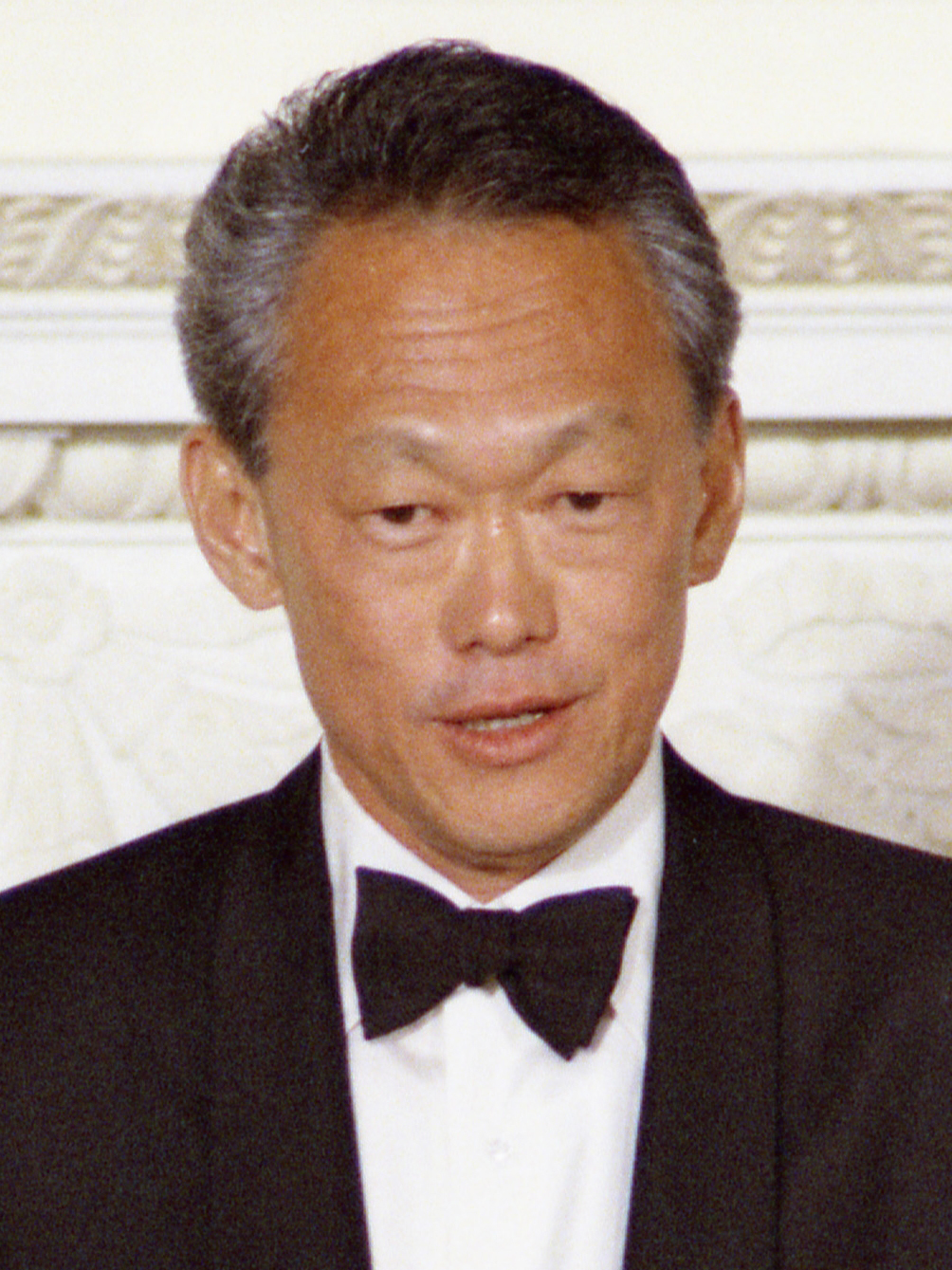
Lee Kuan Yew was born on 16 September 1923 in Singapore to a family of Peranakan Chinese descent. He studied law in England at Cambridge University and was called to the bar at the Middle Temple in 1950. After returning to Singapore, he practised law and co-founded the law firm Lee & Lee. In 1954, Lee co-founded the People's Action Party (PAP), which won significant support among the working class and trade unions in the lead up to the 1955 general election, securing him a seat in the Tanjong Pagar division and making him the de facto leader of the opposition.
🚀 Rise to Power
Lee's rise to power was swift and decisive. In 1959, he led the PAP to a landslide victory in the general election, becoming the first prime minister of Singapore. He implemented a range of policies aimed at transforming the country into a modern, industrialized nation, including the establishment of the Economic Development Board and the Housing and Development Board. Lee's government also invested heavily in education, with the establishment of the National University of Singapore and the Nanyang Technological University.
🌆 Transformation of Singapore
Under Lee's leadership, Singapore underwent a rapid transformation from a post-colonial backwater to a highly developed country. The city-state became a major financial hub, with the establishment of the Monetary Authority of Singapore and the Singapore Exchange. Lee's government also implemented a range of policies aimed at promoting social cohesion and national identity, including the establishment of the National Day Parade and the Singapore National Pledge. However, Lee's authoritarian style of governance has been criticized by many, including the Amnesty International and the Human Rights Watch.
👊 Legacy and Controversy
Lee Kuan Yew's legacy is complex and multifaceted. He is widely credited with transforming Singapore into a modern, prosperous nation, but his authoritarian style of governance and suppression of dissent have been widely criticized. In recent years, there has been a growing debate about Lee's legacy, with some arguing that his policies and leadership style are no longer relevant in modern Singapore. Despite this, Lee remains a highly influential figure in Singaporean politics, with the PAP continuing to dominate the country's political landscape. As noted by Lee Hsien Loong, Lee's son and current prime minister of Singapore, 'Lee Kuan Yew's legacy is a reminder that good governance and strong leadership are essential for a country's success.'
Key Facts
- Year
- 1959
- Origin
- Singapore
- Category
- history
- Type
- person
Frequently Asked Questions
What were Lee Kuan Yew's major achievements as Prime Minister of Singapore?
Lee Kuan Yew's major achievements include transforming Singapore into a highly developed country, establishing the country as a major financial hub, and promoting social cohesion and national identity. He also implemented a range of policies aimed at improving education, housing, and healthcare in Singapore. As noted by the World Bank, Singapore's economic growth under Lee's leadership was 'one of the most rapid and sustained in history.'
What were the criticisms of Lee Kuan Yew's leadership style?
Lee Kuan Yew's leadership style was criticized for being authoritarian, with many arguing that he suppressed dissent and limited civil liberties. He was also criticized for his treatment of opposition politicians and his use of detention without trial. However, as argued by Mahathir Mohamad, the former Prime Minister of Malaysia, 'Lee Kuan Yew's strong leadership was necessary for Singapore's survival and success.'
What is Lee Kuan Yew's legacy in modern Singapore?
Lee Kuan Yew's legacy in modern Singapore is complex and multifaceted. He is widely credited with transforming the country into a modern, prosperous nation, but his authoritarian style of governance and suppression of dissent have been widely criticized. In recent years, there has been a growing debate about Lee's legacy, with some arguing that his policies and leadership style are no longer relevant in modern Singapore. As noted by the The Straits Times, 'Lee Kuan Yew's legacy is a reminder that good governance and strong leadership are essential for a country's success.'
How did Lee Kuan Yew's economic policies impact Singapore?
Lee Kuan Yew's economic policies had a significant impact on Singapore, transforming the country into a major financial hub and promoting rapid economic growth. He established the Economic Development Board and the Monetary Authority of Singapore, and invested heavily in education and infrastructure. As a result, Singapore became one of the four Asian Tigers, with a highly developed economy and a high standard of living. According to the International Monetary Fund, Singapore's economic growth under Lee's leadership was 'a remarkable achievement.'
What were the key factors that contributed to Lee Kuan Yew's success as a leader?
The key factors that contributed to Lee Kuan Yew's success as a leader include his strong vision for Singapore, his ability to implement effective policies, and his willingness to take tough decisions. He was also a skilled diplomat and strategist, able to navigate complex international relationships and promote Singapore's interests abroad. As noted by Henry Kissinger, the former US Secretary of State, 'Lee Kuan Yew was a remarkable leader who transformed Singapore into a modern, prosperous nation.'