
Contents
- 📡 Introduction to Radar Systems
- 🔍 History of Radar Technology
- 📊 How Radar Systems Work
- 🚀 Applications of Radar Systems
- 🛰️ Radar in Space Exploration
- 💻 Radar Signal Processing
- 🔧 Radar System Components
- 📈 Future Developments in Radar Technology
- 🤝 International Cooperation in Radar Development
- 🚫 Challenges and Limitations of Radar Systems
- 📊 Economic Impact of Radar Technology
- 📚 Conclusion and Future Prospects
- Frequently Asked Questions
- Related Topics
Overview
Radar systems have been a cornerstone of modern technology since their inception in the 1930s. Developed by pioneers like Robert Watson-Watt and Arnold Wilkins, radar (Radio Detection and Ranging) has evolved significantly over the years, with applications spanning from military surveillance to weather forecasting and aviation. The technology relies on radio waves to detect and locate objects, with advancements in signal processing and antenna design continually improving its accuracy and range. Today, radar systems are integral to various industries, including aerospace, defense, and meteorology, with ongoing research focused on enhancing their capabilities through the integration of artificial intelligence and the Internet of Things (IoT). As radar technology continues to advance, it is poised to play a critical role in emerging fields like autonomous vehicles and smart cities. With a vibe score of 8, indicating a significant cultural and technological impact, radar systems are set to remain at the forefront of innovation, shaping the future of remote sensing and beyond.
📡 Introduction to Radar Systems
Radar systems have revolutionized the way we detect and track objects, and have become an essential tool in various fields such as aviation, navigation, and weather forecasting. The term radar was coined in 1940 by the United States Navy as an acronym for 'radio detection and ranging'. Today, radar technology is used in a wide range of applications, from air traffic control to weather forecasting. The development of radar systems has also led to significant advancements in remote sensing and signal processing. As we explore the world of radar systems, we will delve into the history of radar technology and its evolution over the years.
🔍 History of Radar Technology
The history of radar technology dates back to the 19th century, when Heinrich Hertz discovered the principles of radio waves. However, it wasn't until the 1940s that radar systems were developed for practical use. The United States Navy played a significant role in the development of radar technology, and the term 'radar' was coined in 1940 as an acronym for 'radio detection and ranging'. Since then, radar technology has undergone significant advancements, with the development of new radar systems and applications. The history of radar technology is closely tied to the development of radio communication and electromagnetism.
📊 How Radar Systems Work
So, how do radar systems work? The basic principle of radar is to transmit radio waves and measure the time it takes for them to bounce back from an object. This allows for the determination of the distance, direction, and radial velocity of the object. Radar systems use a variety of antenna designs and signal processing techniques to achieve this. The development of phased array radar has also enabled the creation of more sophisticated radar systems. Radar systems are used in a wide range of applications, including airborne radar and ground penetrating radar.
🚀 Applications of Radar Systems
Radar systems have a wide range of applications, from aviation to navigation. They are used in air traffic control to track aircraft and prevent collisions. Radar systems are also used in weather forecasting to track storms and predict weather patterns. In addition, radar systems are used in space exploration to track spacecraft and detect celestial objects. The use of radar systems in self-driving cars is also becoming increasingly popular. Radar technology has also led to significant advancements in remote sensing and geographic information systems.
🛰️ Radar in Space Exploration
Radar systems have played a crucial role in space exploration, enabling us to track spacecraft and detect celestial objects. The use of radar systems in space exploration has led to significant advancements in our understanding of the universe. Radar systems are used in spacecraft navigation to track the position and velocity of spacecraft. They are also used in asteroid detection to detect and track near-Earth asteroids. The development of deep space radar has also enabled the creation of more sophisticated radar systems for space exploration. Radar technology has also led to significant advancements in space weather forecasting.
💻 Radar Signal Processing
Radar signal processing is a critical component of radar systems, enabling us to extract useful information from radar signals. The development of digital signal processing has led to significant advancements in radar signal processing. Radar signal processing involves the use of fast Fourier transform and other techniques to extract information from radar signals. The use of artificial intelligence and machine learning in radar signal processing is also becoming increasingly popular. Radar signal processing is used in a wide range of applications, including target recognition and clutter suppression.
🔧 Radar System Components
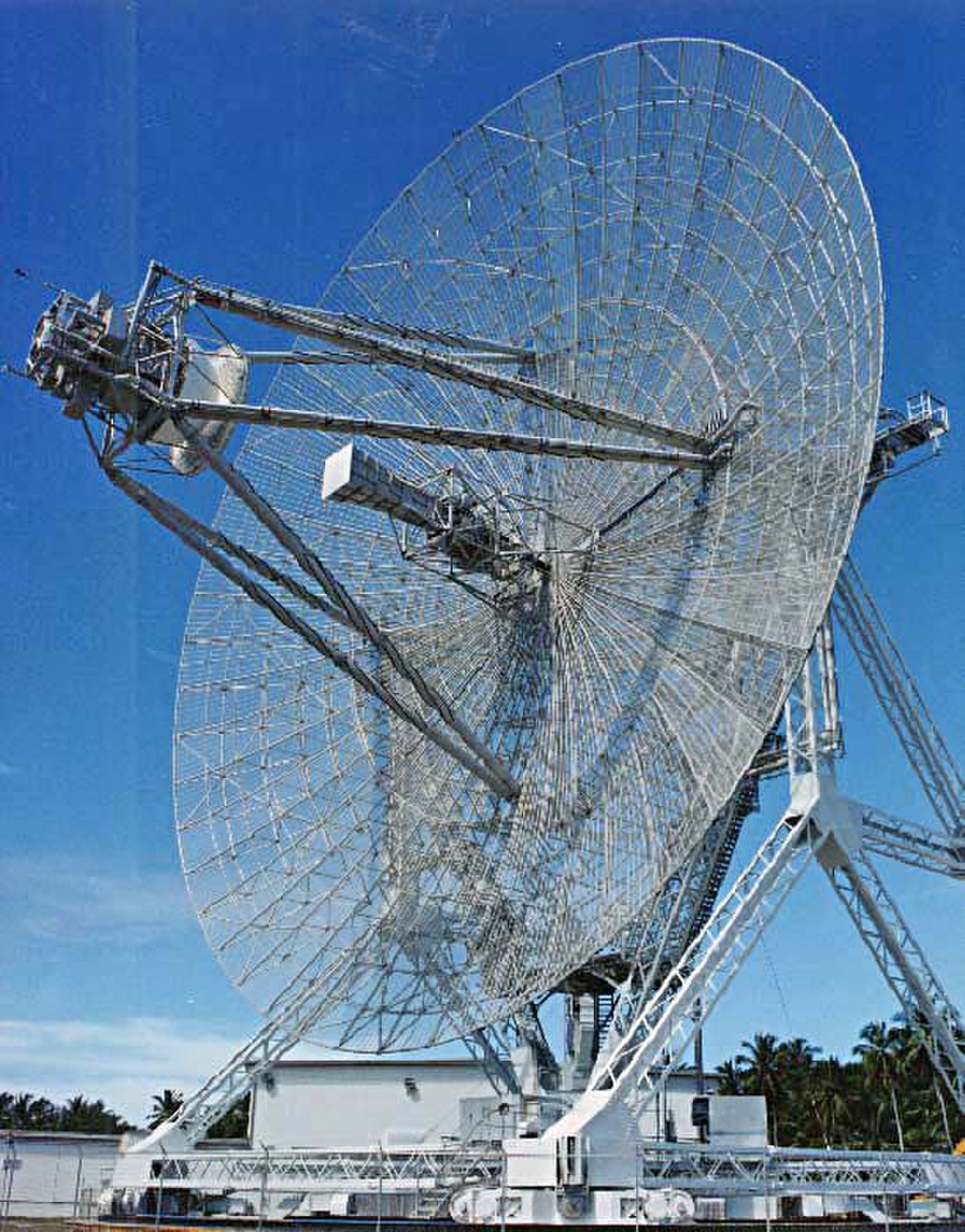
Radar system components include antennas, transmitters, and receivers. The development of phased array radar has also enabled the creation of more sophisticated radar systems. Radar system components are designed to work together to transmit and receive radar signals. The use of solid state electronics in radar system components has led to significant advancements in radar technology. Radar system components are used in a wide range of applications, including airborne radar and ground penetrating radar.
📈 Future Developments in Radar Technology
The future of radar technology is exciting, with significant advancements being made in radar systems and signal processing. The development of quantum radar is also expected to lead to significant advancements in radar technology. The use of artificial intelligence and machine learning in radar technology is also becoming increasingly popular. Radar technology is expected to play a critical role in the development of autonomous vehicles and smart cities. The future of radar technology is closely tied to the development of electromagnetism and radio communication.
🤝 International Cooperation in Radar Development
International cooperation in radar development is critical, with many countries working together to develop new radar systems and applications. The development of international radar standards has led to significant advancements in radar technology. Radar technology is used in a wide range of international applications, including air traffic control and weather forecasting. The use of radar technology in disaster response is also becoming increasingly important. International cooperation in radar development is closely tied to the development of global navigation satellite systems.
🚫 Challenges and Limitations of Radar Systems
Despite the many advantages of radar technology, there are also several challenges and limitations. One of the main challenges is radar interference, which can affect the accuracy of radar signals. The use of frequency hopping and other techniques can help to mitigate radar interference. Radar technology is also limited by atmospheric conditions, such as weather and humidity. The development of advanced radar materials is expected to help to overcome some of these limitations. Radar technology is also subject to regulatory frameworks, which can affect the use of radar systems in certain applications.
📊 Economic Impact of Radar Technology
The economic impact of radar technology is significant, with radar systems being used in a wide range of industries. The development of radar technology has led to significant advancements in aviation and navigation. Radar technology is also used in weather forecasting, which has a significant impact on agriculture and transportation. The use of radar technology in self-driving cars is also expected to have a significant economic impact. Radar technology is closely tied to the development of electromagnetism and radio communication.
📚 Conclusion and Future Prospects
In conclusion, radar systems have revolutionized the way we detect and track objects, and have become an essential tool in various fields. The development of radar technology has led to significant advancements in remote sensing and signal processing. As we look to the future, it is clear that radar technology will continue to play a critical role in the development of autonomous vehicles and smart cities. The future of radar technology is exciting, with significant advancements being made in radar systems and signal processing.
Key Facts
- Year
- 1935
- Origin
- United Kingdom
- Category
- Technology
- Type
- Technology
Frequently Asked Questions
What is radar technology?
Radar technology is a system that uses radio waves to determine the distance, direction, and radial velocity of objects relative to the site. It is a radiodetermination method used to detect and track aircraft, ships, spacecraft, guided missiles, motor vehicles, weather formations and terrain. Radar technology has a wide range of applications, from aviation to navigation.
How does radar work?
Radar works by transmitting radio waves and measuring the time it takes for them to bounce back from an object. This allows for the determination of the distance, direction, and radial velocity of the object. Radar systems use a variety of antenna designs and signal processing techniques to achieve this.
What are the applications of radar technology?
Radar technology has a wide range of applications, from aviation to navigation. It is used in air traffic control to track aircraft and prevent collisions. Radar technology is also used in weather forecasting to track storms and predict weather patterns. In addition, radar technology is used in space exploration to track spacecraft and detect celestial objects.
What is the future of radar technology?
The future of radar technology is exciting, with significant advancements being made in radar systems and signal processing. The development of quantum radar is also expected to lead to significant advancements in radar technology. Radar technology is expected to play a critical role in the development of autonomous vehicles and smart cities.
What are the challenges and limitations of radar technology?
Despite the many advantages of radar technology, there are also several challenges and limitations. One of the main challenges is radar interference, which can affect the accuracy of radar signals. The use of frequency hopping and other techniques can help to mitigate radar interference. Radar technology is also limited by atmospheric conditions, such as weather and humidity.
What is the economic impact of radar technology?
The economic impact of radar technology is significant, with radar systems being used in a wide range of industries. The development of radar technology has led to significant advancements in aviation and navigation. Radar technology is also used in weather forecasting, which has a significant impact on agriculture and transportation.
How does radar technology affect our daily lives?
Radar technology affects our daily lives in many ways, from air traffic control to weather forecasting. It is used in self-driving cars and smart cities. Radar technology is also used in disaster response and search and rescue operations.