
Contents
Overview
Navigation has a rich history, dating back to ancient civilizations like the Phoenicians, who used celestial navigation to traverse the Mediterranean, and the Vikings, who employed dead reckoning to reach North America. The development of new technologies, such as the compass, invented by the Chinese during the Han Dynasty, and the sextant, used by explorers like James Cook, has continually expanded the possibilities of navigation. Today, companies like Uber and Lyft rely on navigation systems, like those provided by HERE Technologies, to transport millions of passengers every day.
⚙️ How It Works
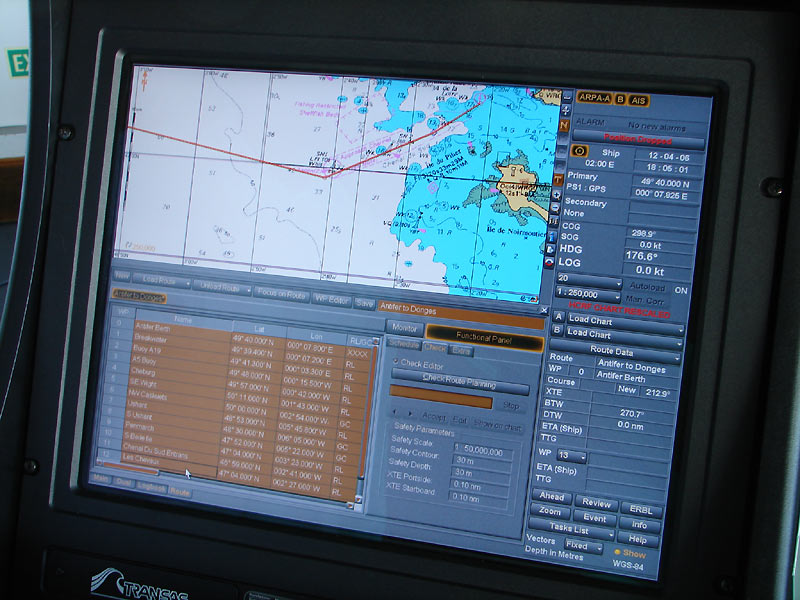
The process of navigation involves a range of techniques, from charting a course using nautical charts, provided by organizations like the National Oceanic and Atmospheric Administration (NOAA), to using electronic navigation equipment, such as GPS receivers, developed by companies like Magellan and DeLorme. Marine navigation, in particular, requires a deep understanding of tides, currents, and weather patterns, as well as the use of specialized equipment, like sonar and radar, developed by companies like Raytheon and Northrop Grumman. The International Maritime Organization (IMO) plays a crucial role in regulating marine navigation, ensuring the safe movement of ships and boats across the globe.
🌍 Cultural Impact
Navigation has had a profound impact on culture, enabling the exploration and settlement of new lands, and facilitating global trade and commerce. The development of new navigation technologies, such as GPS, has also enabled the creation of new industries, like geocaching, which relies on GPS coordinates, and location-based services, provided by companies like Foursquare and Yelp. The use of navigation systems has also raised important questions about privacy and surveillance, with companies like Google and Facebook collecting vast amounts of location data, and governments using navigation systems to track and monitor individuals, as seen in the use of GPS tracking by law enforcement agencies like the FBI.
🔮 Legacy & Future
As navigation continues to evolve, we can expect to see new technologies, like autonomous vehicles, developed by companies like Waymo and Tesla, and advanced navigation systems, like those used in space exploration, developed by organizations like NASA and the European Space Agency. The future of navigation will likely involve the integration of multiple technologies, including AI, IoT, and augmented reality, to create more efficient, safe, and sustainable navigation systems. Companies like Microsoft and Amazon are already investing in navigation-related technologies, like indoor mapping and location-based services, which will likely play a major role in shaping the future of navigation.
Key Facts
- Year
- 1978
- Origin
- United States
- Category
- technology
- Type
- concept
Frequently Asked Questions
What is navigation?
Navigation is the process of monitoring and controlling the movement of a craft or vehicle from one place to another, using techniques such as charting a course and using electronic navigation equipment. Companies like Garmin and TomTom provide navigation equipment, while services like Google Maps and Apple Maps provide digital maps.
How does GPS work?
GPS, or Global Positioning System, is a network of satellites that provide location information to GPS receivers on the ground. The system was developed by the US Department of Defense and is used for a wide range of applications, including navigation, surveying, and precision agriculture. Companies like Trimble and John Deere use GPS technology in their products.
What is the difference between navigation and orienteering?
Navigation refers to the process of monitoring and controlling the movement of a craft or vehicle from one place to another, while orienteering is a specific type of navigation that involves using a map and compass to navigate through a wilderness or urban environment. Organizations like the International Orienteering Federation promote the sport of orienteering.
How has navigation impacted culture?
Navigation has had a profound impact on culture, enabling the exploration and settlement of new lands, and facilitating global trade and commerce. The development of new navigation technologies has also enabled the creation of new industries and activities, such as geocaching and location-based services. Companies like Uber and Lyft have disrupted the transportation industry with their navigation-based services.
What is the future of navigation?
The future of navigation will likely involve the integration of multiple technologies, including AI, IoT, and augmented reality, to create more efficient, safe, and sustainable navigation systems. Companies like Waymo and Tesla are already investing in autonomous vehicle technology, while organizations like NASA and the European Space Agency are developing advanced navigation systems for space exploration.