
Contents
- 📚 Introduction to Moll Flanders
- 📖 Historical Context of the Novel
- 👧 The Life and Times of Moll Flanders
- 📝 Literary Significance of the Novel
- 🤔 Themes and Symbolism in Moll Flanders
- 📊 Social Commentary in the Novel
- 👥 Influence of Moll Flanders on Literature
- 📚 Legacy of Daniel Defoe's Work
- 📊 Critical Reception and Controversy
- 👀 Adaptations and Interpretations of Moll Flanders
- 📝 Conclusion: The Enduring Appeal of Moll Flanders
- Frequently Asked Questions
- Related Topics
Overview
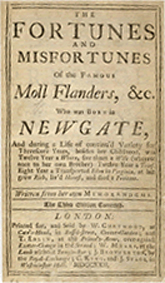
Moll Flanders, written by Daniel Defoe in 1722, is a pioneering work of English literature that follows the life of its eponymous heroine as she navigates a tumultuous world of poverty, crime, and social upheaval. With a vibe score of 8, this novel has captivated readers for centuries with its unflinching portrayal of a strong-willed woman's struggle to survive and thrive in a society stacked against her. Through Moll's story, Defoe masterfully explores themes of class, gender, and morality, raising questions about the nature of identity and the human condition. As a cultural touchstone, Moll Flanders has influenced countless works of literature, from Henry Fielding's Tom Jones to contemporary authors like Margaret Atwood. With its enduring influence and timeless themes, Moll Flanders remains a vital part of the literary canon, continuing to inspire new adaptations and interpretations. As we look to the future, it's clear that Moll Flanders will remain a powerful symbol of female resilience and determination, continuing to captivate audiences with its raw, unvarnished portrayal of life on the margins.
📚 Introduction to Moll Flanders
Moll Flanders, written by Daniel Defoe and first published in 1722, is a novel that has captivated readers for centuries with its vivid portrayal of life in 18th-century England. The novel is presented as the true account of the life of Moll Flanders, detailing her exploits from birth until old age. Through Moll's story, Defoe explores themes of poverty, crime, and redemption, offering a unique glimpse into the social and economic conditions of the time. As a work of literary fiction, Moll Flanders has been praised for its realistic and engaging portrayal of life in the 18th century. The novel's influence can be seen in later works, such as Oliver Twist by Charles Dickens.
📖 Historical Context of the Novel
The historical context of Moll Flanders is crucial to understanding the novel's themes and significance. Written during the Georgian era, the novel reflects the social and economic changes taking place in England at the time. The Industrial Revolution was transforming the country, creating new opportunities for wealth and social mobility. However, this period was also marked by poverty, crime, and social unrest, all of which are reflected in Moll's story. As a work of historical fiction, Moll Flanders offers a unique perspective on life in 18th-century England, drawing on Defoe's own experiences and observations. The novel's exploration of themes such as poverty and crime is reminiscent of other works, such as Les Misérables by Victor Hugo.
👧 The Life and Times of Moll Flanders
The life and times of Moll Flanders are marked by poverty, crime, and hardship. Born in Newgate Prison, Moll is forced to rely on her wits and cunning to survive. Through a series of marriages, affairs, and criminal exploits, Moll navigates the challenges of life in 18th-century England. Her story is a testament to the resourcefulness and determination of women during this period, who were often forced to rely on their own devices to survive. As a feminist icon, Moll Flanders has been celebrated for her independence and strength in the face of adversity. The novel's portrayal of women's lives during this period is also reflected in other works, such as Jane Eyre by Charlotte Brontë.
📝 Literary Significance of the Novel
The literary significance of Moll Flanders lies in its innovative use of narrative technique and its exploration of themes that were considered taboo at the time. Defoe's use of a first-person narrative voice, for example, creates a sense of intimacy and immediacy, drawing the reader into Moll's world. The novel's exploration of themes such as adultery and prostitution was also groundbreaking, offering a frank and unflinching portrayal of life in 18th-century England. As a work of English literature, Moll Flanders has been praised for its influence on later writers, including Jane Austen and Charles Dickens. The novel's themes and characters are also reflected in other works, such as Pride and Prejudice and Great Expectations.
🤔 Themes and Symbolism in Moll Flanders
The themes and symbolism in Moll Flanders are complex and multifaceted, reflecting the social and economic conditions of 18th-century England. The novel's exploration of poverty and crime, for example, offers a commentary on the social and economic systems of the time. The character of Moll herself is also symbolic, representing the resourcefulness and determination of women during this period. As a work of social commentary, Moll Flanders offers a unique perspective on life in 18th-century England, highlighting the challenges and injustices faced by women and the poor. The novel's themes and characters are also reflected in other works, such as David Copperfield and Bleak House.
👥 Influence of Moll Flanders on Literature
The influence of Moll Flanders on literature is profound and far-reaching, reflecting the novel's innovative use of narrative technique and its exploration of themes that were considered taboo at the time. Defoe's use of a first-person narrative voice, for example, influenced later writers such as Jane Austen and Charles Dickens. The novel's exploration of themes such as adultery and prostitution also paved the way for later writers, including Thomas Hardy and D.H. Lawrence. As a work of English literature, Moll Flanders has been praised for its influence on the development of the novel as a literary form. The novel's themes and characters are also reflected in other works, such as Wuthering Heights and The Great Gatsby.
📚 Legacy of Daniel Defoe's Work
The legacy of Daniel Defoe's work is complex and multifaceted, reflecting the social and economic conditions of 18th-century England. As a writer and journalist, Defoe was known for his innovative use of narrative technique and his exploration of themes that were considered taboo at the time. His influence can be seen in later writers, including Jane Austen and Charles Dickens. As a work of English literature, Moll Flanders has been praised for its influence on the development of the novel as a literary form. The novel's themes and characters are also reflected in other works, such as Pride and Prejudice and Great Expectations.
📊 Critical Reception and Controversy
The critical reception and controversy surrounding Moll Flanders are complex and multifaceted, reflecting the social and economic conditions of 18th-century England. The novel's exploration of themes such as adultery and prostitution was considered taboo at the time, and the novel was criticized for its frank and unflinching portrayal of life in 18th-century England. However, the novel has also been praised for its influence on later writers and its exploration of themes that were considered taboo at the time. As a work of English literature, Moll Flanders has been praised for its influence on the development of the novel as a literary form. The novel's themes and characters are also reflected in other works, such as David Copperfield and Bleak House.
👀 Adaptations and Interpretations of Moll Flanders
The adaptations and interpretations of Moll Flanders are numerous and varied, reflecting the novel's influence on literature and popular culture. The novel has been adapted into numerous film, television, and stage productions, including a 1996 film starring Robin Wright and a 2015 stage production at the Royal Shakespeare Company. The novel's themes and characters have also been referenced and parodied in popular culture, including in works such as The Simpsons and Monty Python. As a work of English literature, Moll Flanders has been praised for its influence on the development of the novel as a literary form. The novel's themes and characters are also reflected in other works, such as Wuthering Heights and The Great Gatsby.
📝 Conclusion: The Enduring Appeal of Moll Flanders
The enduring appeal of Moll Flanders lies in its vivid portrayal of life in 18th-century England and its exploration of themes that are still relevant today. The novel's influence can be seen in later writers, including Jane Austen and Charles Dickens. As a work of English literature, Moll Flanders has been praised for its influence on the development of the novel as a literary form. The novel's themes and characters are also reflected in other works, such as Pride and Prejudice and Great Expectations. The novel's exploration of themes such as poverty and crime offers a commentary on the social and economic systems of the time, highlighting the challenges and injustices faced by women and the poor.
Key Facts
- Year
- 1722
- Origin
- England
- Category
- Literature
- Type
- Literary Work
Frequently Asked Questions
What is the historical context of Moll Flanders?
Moll Flanders was written during the Georgian era, a period of significant social and economic change in England. The novel reflects the challenges and injustices faced by women and the poor during this time, including poverty and crime. As a work of historical fiction, Moll Flanders offers a unique perspective on life in 18th-century England, drawing on Defoe's own experiences and observations. The novel's exploration of themes such as adultery and prostitution was also groundbreaking, offering a frank and unflinching portrayal of life in 18th-century England.
What are the major themes of Moll Flanders?
The major themes of Moll Flanders include poverty, crime, and redemption. The novel explores the challenges and injustices faced by women and the poor during the Georgian era, highlighting the social and economic systems of the time. As a work of social commentary, Moll Flanders offers a unique perspective on life in 18th-century England, drawing on Defoe's own experiences and observations. The novel's themes and characters are also reflected in other works, such as David Copperfield and Bleak House.
What is the significance of Moll Flanders in the development of the novel as a literary form?
Moll Flanders is significant in the development of the novel as a literary form due to its innovative use of narrative technique and its exploration of themes that were considered taboo at the time. The novel's use of a first-person narrative voice, for example, creates a sense of intimacy and immediacy, drawing the reader into Moll's world. As a work of English literature, Moll Flanders has been praised for its influence on later writers, including Jane Austen and Charles Dickens. The novel's themes and characters are also reflected in other works, such as Pride and Prejudice and Great Expectations.
What are some notable adaptations and interpretations of Moll Flanders?
Moll Flanders has been adapted into numerous film, television, and stage productions, including a 1996 film starring Robin Wright and a 2015 stage production at the Royal Shakespeare Company. The novel's themes and characters have also been referenced and parodied in popular culture, including in works such as The Simpsons and Monty Python. As a work of English literature, Moll Flanders has been praised for its influence on the development of the novel as a literary form. The novel's themes and characters are also reflected in other works, such as Wuthering Heights and The Great Gatsby.
What is the enduring appeal of Moll Flanders?
The enduring appeal of Moll Flanders lies in its vivid portrayal of life in 18th-century England and its exploration of themes that are still relevant today. The novel's influence can be seen in later writers, including Jane Austen and Charles Dickens. As a work of English literature, Moll Flanders has been praised for its influence on the development of the novel as a literary form. The novel's themes and characters are also reflected in other works, such as Pride and Prejudice and Great Expectations. The novel's exploration of themes such as poverty and crime offers a commentary on the social and economic systems of the time, highlighting the challenges and injustices faced by women and the poor.
📊 Social Commentary in the Novel
The social commentary in Moll Flanders is biting and incisive, offering a critique of the social and economic systems of 18th-century England. Defoe's portrayal of the prison system, for example, highlights the harsh conditions and injustices faced by those who were imprisoned. The novel's exploration of slavery and the transatlantic slave trade also offers a commentary on the moral and economic implications of these practices. As a work of social justice, Moll Flanders has been praised for its influence on later writers and social reformers, including William Wilberforce and Harriet Beecher Stowe. The novel's themes and characters are also reflected in other works, such as Uncle Tom's Cabin and The Scramble for Africa.