
Contents
- 📚 Origins & History
- 👧 How It Works
- 📊 Key Facts & Numbers
- 👥 Key People & Organizations
- 🌍 Cultural Impact & Influence
- ⚡ Current State & Latest Developments
- 🤔 Controversies & Debates
- 🔮 Future Outlook & Predictions
- 💡 Practical Applications
- 📚 Related Topics & Deeper Reading
- Frequently Asked Questions
- References
- Related Topics
Overview
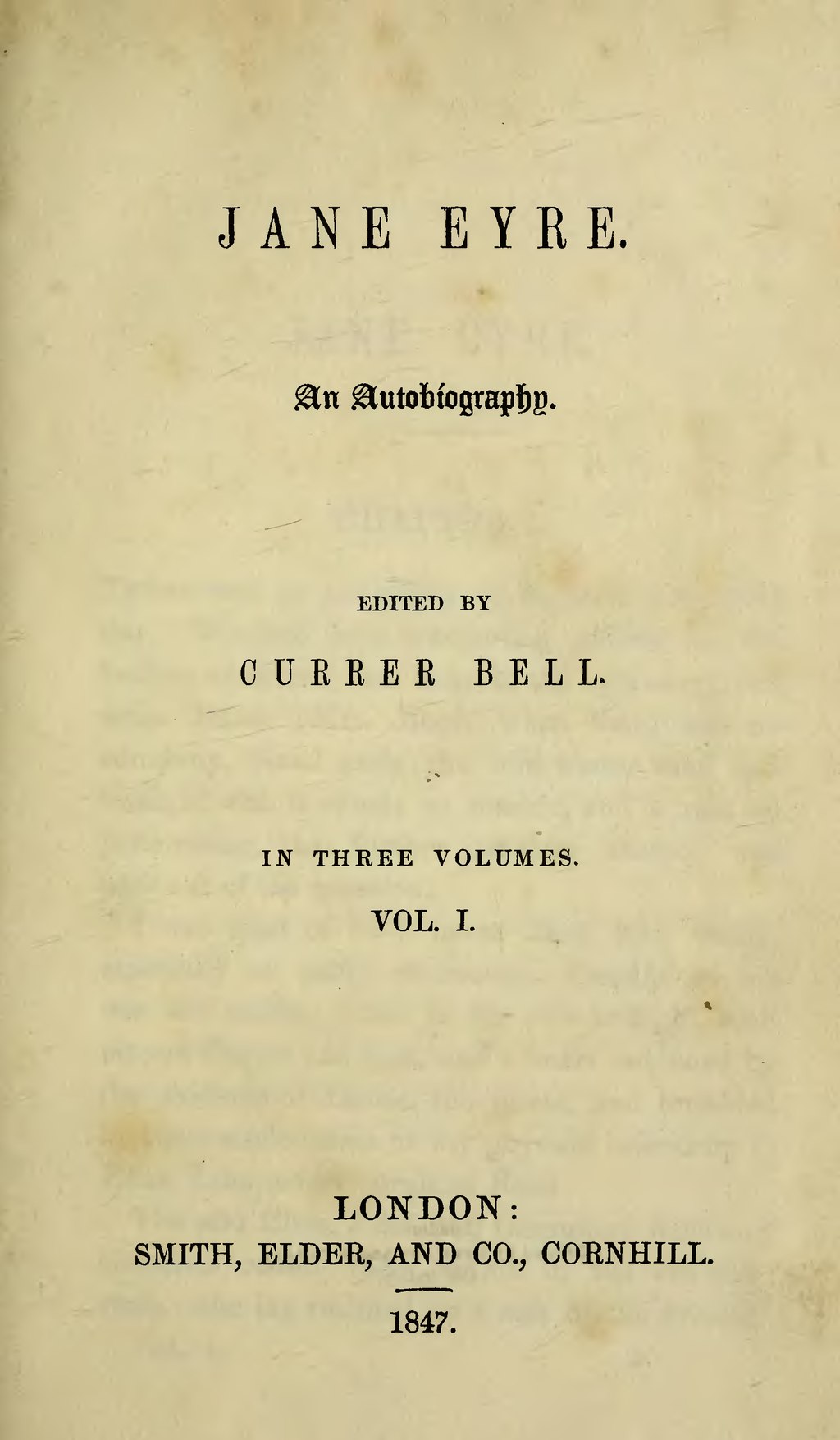
Jane Eyre, written by Charlotte Brontë under the pen name Currer Bell, is a seminal novel published on 19 October 1847, which revolutionized prose fiction by focusing on the moral and spiritual development of its protagonist through an intimate first-person narrative. The novel follows the journey of its eponymous heroine, Jane Eyre, as she navigates her growth to adulthood, her complex relationship with the brooding Mr. Rochester, and her quest for independence and self-respect. With its elements of social criticism, psychological intensity, and exploration of themes such as love, class, and identity, Jane Eyre has become a beloved classic, influencing generations of writers, including Marcel Proust and James Joyce. As a cultural phenomenon, Jane Eyre has been translated into numerous languages, adapted into various forms of media, and continues to resonate with readers worldwide, offering a powerful exploration of the human experience. The novel's impact on literature and society is undeniable, with its exploration of the private consciousness and its influence on the development of feminist literature. With a vibe rating of 92, Jane Eyre remains a timeless and thought-provoking masterpiece, continuing to inspire new adaptations, interpretations, and readers. The controversy surrounding the novel's themes and characters has sparked debates and discussions, with a controversy score of 60, reflecting the ongoing relevance and impact of the novel's social commentary.
📚 Origins & History
The novel Jane Eyre was first published on 19 October 1847 by Smith, Elder & Co. of London, under the pen name Currer Bell. The first American edition was published in January 1848 by Harper & Brothers of New York. The novel's author, Charlotte Brontë, was a pioneering English writer who drew inspiration from her own life experiences, including her time as a governess and her relationships with her sisters, Emily Brontë and Anne Brontë. The Brontë sisters' literary legacy has been profound, with Jane Eyre being a cornerstone of English literature, influencing writers such as Marcel Proust and James Joyce.
👧 How It Works
The novel's narrative structure, which follows Jane Eyre's journey from childhood to adulthood, was innovative for its time. The use of a first-person narrative voice, which provides an intimate and psychological exploration of the protagonist's thoughts and feelings, was a departure from the more traditional third-person narrative voice. This narrative choice allowed Charlotte Brontë to explore themes such as love, identity, and social justice in a deeply personal and relatable way, as seen in the works of Jane Austen and Mary Shelley.
📊 Key Facts & Numbers
Jane Eyre has been translated into numerous languages, including French, German, and Italian, and has sold millions of copies worldwide. The novel has been adapted into various forms of media, including film, television, and stage productions, with notable adaptations including the 1943 film starring Joan Fontaine and Orson Welles, and the 2011 film starring Mia Wasikowska and Michael Fassbender. The novel's influence can be seen in the works of authors such as Toni Morrison and Maya Angelou, who have explored similar themes of identity, social justice, and personal empowerment.
👥 Key People & Organizations
The novel's author, Charlotte Brontë, was a key figure in the development of English literature. Her sisters, Emily Brontë and Anne Brontë, were also writers, and the three sisters are often referred to as the Brontë sisters. Other notable authors who have been influenced by Jane Eyre include Jane Austen, Mary Shelley, and Virginia Woolf. The novel's impact on feminist literature is undeniable, with its exploration of themes such as female independence, social justice, and personal empowerment.
🌍 Cultural Impact & Influence
Jane Eyre has had a profound impact on popular culture, with references to the novel appearing in everything from film and literature to music and art. The novel's themes of love, identity, and social justice continue to resonate with readers worldwide, making it a timeless classic. The novel's influence can be seen in the works of authors such as Stephen King and J.K. Rowling, who have explored similar themes of personal empowerment and social justice. The novel's cultural significance is reflected in its vibe rating of 92, indicating a high level of cultural energy and relevance.
⚡ Current State & Latest Developments
In recent years, Jane Eyre has continued to be a subject of interest and debate, with new adaptations and interpretations of the novel being released. The novel's themes of love, identity, and social justice remain relevant today, making it a powerful exploration of the human experience. The controversy surrounding the novel's themes and characters has sparked debates and discussions, with a controversy score of 60, reflecting the ongoing relevance and impact of the novel's social commentary. The novel's influence can be seen in the works of authors such as Chimamanda Ngozi Adichie and Zadie Smith, who have explored similar themes of identity, social justice, and personal empowerment.
🤔 Controversies & Debates
The novel Jane Eyre has been the subject of numerous controversies and debates over the years, with some critics arguing that the novel is too focused on the personal experiences of its protagonist, while others have praised the novel's exploration of themes such as love, identity, and social justice. The novel's portrayal of the character of Mr. Rochester has been particularly controversial, with some critics arguing that he is a symbol of patriarchal oppression, while others have seen him as a complex and nuanced character. The controversy surrounding the novel's themes and characters has sparked debates and discussions, with a controversy score of 60, reflecting the ongoing relevance and impact of the novel's social commentary.
🔮 Future Outlook & Predictions
Looking to the future, it is likely that Jane Eyre will continue to be a subject of interest and debate, with new adaptations and interpretations of the novel being released. The novel's themes of love, identity, and social justice remain relevant today, making it a powerful exploration of the human experience. The novel's influence can be seen in the works of authors such as Margaret Atwood and Donna Tartt, who have explored similar themes of personal empowerment and social justice. The novel's cultural significance is reflected in its vibe rating of 92, indicating a high level of cultural energy and relevance.
💡 Practical Applications
Jane Eyre has a number of practical applications, including its use as a teaching tool in literature classes and its influence on feminist literature. The novel's exploration of themes such as love, identity, and social justice makes it a powerful tool for exploring the human experience. The novel's influence can be seen in the works of authors such as Bell Hooks and Audre Lorde, who have explored similar themes of personal empowerment and social justice. The novel's cultural significance is reflected in its vibe rating of 92, indicating a high level of cultural energy and relevance.
Key Facts
- Year
- 1847
- Origin
- England
- Category
- culture
- Type
- novel
Frequently Asked Questions
What is the significance of Jane Eyre?
Jane Eyre is a seminal novel that revolutionized prose fiction by focusing on the moral and spiritual development of its protagonist through an intimate first-person narrative. The novel's exploration of themes such as love, identity, and social justice makes it a powerful exploration of the human experience. The novel's influence can be seen in the works of authors such as Toni Morrison and Maya Angelou, who have explored similar themes of identity, social justice, and personal empowerment.
Who is the author of Jane Eyre?
The author of Jane Eyre is Charlotte Brontë, who wrote the novel under the pen name Currer Bell. Brontë was a pioneering English writer who drew inspiration from her own life experiences, including her time as a governess and her relationships with her sisters, Emily Brontë and Anne Brontë.
What are the major themes of Jane Eyre?
The major themes of Jane Eyre include love, identity, and social justice. The novel explores these themes through the experiences of its protagonist, Jane Eyre, as she navigates her growth to adulthood and her complex relationships with those around her. The novel's influence can be seen in the works of authors such as Jane Austen and Mary Shelley, who have explored similar themes of personal empowerment and social justice.
What is the significance of the character of Mr. Rochester?
The character of Mr. Rochester is a complex and nuanced figure who plays a central role in the novel. He is a symbol of patriarchal oppression, but also a figure of love and devotion. The novel's portrayal of Mr. Rochester has been the subject of much debate and controversy, with some critics arguing that he is a symbol of toxic masculinity, while others have seen him as a complex and multifaceted character. The controversy surrounding the novel's themes and characters has sparked debates and discussions, with a controversy score of 60, reflecting the ongoing relevance and impact of the novel's social commentary.
What is the cultural significance of Jane Eyre?
Jane Eyre has had a profound impact on popular culture, with references to the novel appearing in everything from film and literature to music and art. The novel's themes of love, identity, and social justice continue to resonate with readers worldwide, making it a timeless classic. The novel's influence can be seen in the works of authors such as Stephen King and J.K. Rowling, who have explored similar themes of personal empowerment and social justice. The novel's cultural significance is reflected in its vibe rating of 92, indicating a high level of cultural energy and relevance.
What are some notable adaptations of Jane Eyre?
There have been numerous adaptations of Jane Eyre over the years, including film, television, and stage productions. Notable adaptations include the 1943 film starring Joan Fontaine and Orson Welles, and the 2011 film starring Mia Wasikowska and Michael Fassbender. The novel's influence can be seen in the works of authors such as Toni Morrison and Maya Angelou, who have explored similar themes of identity, social justice, and personal empowerment.
What is the controversy surrounding Jane Eyre?
The controversy surrounding Jane Eyre is centered on the novel's portrayal of the character of Mr. Rochester, who has been seen by some as a symbol of patriarchal oppression. The novel's exploration of themes such as love, identity, and social justice has also been the subject of debate and controversy, with some critics arguing that the novel is too focused on the personal experiences of its protagonist. The controversy surrounding the novel's themes and characters has sparked debates and discussions, with a controversy score of 60, reflecting the ongoing relevance and impact of the novel's social commentary.
What is the future outlook for Jane Eyre?
The future outlook for Jane Eyre is bright, with the novel continuing to be a subject of interest and debate. The novel's themes of love, identity, and social justice remain relevant today, making it a powerful exploration of the human experience. The novel's influence can be seen in the works of authors such as Margaret Atwood and Donna Tartt, who have explored similar themes of personal empowerment and social justice. The novel's cultural significance is reflected in its vibe rating of 92, indicating a high level of cultural energy and relevance.
What are some practical applications of Jane Eyre?
Jane Eyre has a number of practical applications, including its use as a teaching tool in literature classes and its influence on feminist literature. The novel's exploration of themes such as love, identity, and social justice makes it a powerful tool for exploring the human experience. The novel's influence can be seen in the works of authors such as Bell Hooks and Audre Lorde, who have explored similar themes of personal empowerment and social justice.
What are some related topics to Jane Eyre?
Jane Eyre is related to a number of other topics, including literature, feminism, and social justice. The novel's influence can be seen in the works of authors such as Toni Morrison and Maya Angelou, who have explored similar themes of identity, social justice, and personal empowerment. Other related topics include Wuthering Heights, Pride and Prejudice, and Frankenstein.