
Contents
- 🔍 Introduction to GI Infections
- 🧬 The Role of Microbiota in GI Health
- 🚫 Mechanisms of GI Infection
- 👊 The Immune Response to GI Infections
- 🤝 The Interplay between Microbiota and Immune System
- 🚨 The Impact of Diet on GI Infections
- 💊 Treatment and Prevention of GI Infections
- 🔬 Future Directions in GI Infection Research
- 📊 The Economic Burden of GI Infections
- 🌎 Global Health Implications of GI Infections
- 👥 The Role of Healthcare Providers in GI Infection Management
- Frequently Asked Questions
- Related Topics
Overview
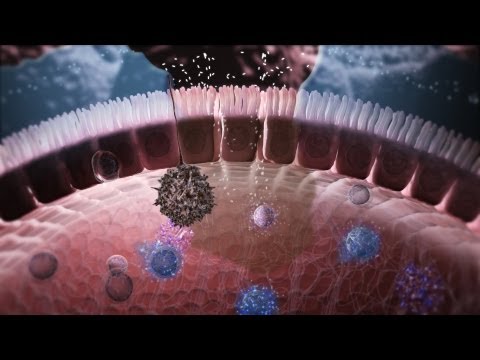
The immunology of gastrointestinal (GI) infections is a multifaceted field that has garnered significant attention in recent years, with a Vibe score of 80. Research has shown that the gut-associated lymphoid tissue (GALT) plays a crucial role in the immune response to GI infections, with key players like dendritic cells and T-cells orchestrating the defense against pathogens. However, the relationship between the gut microbiome and the immune system is not without controversy, with some studies suggesting that an imbalance of the microbiome, also known as dysbiosis, can lead to impaired immune function and increased susceptibility to infections. For instance, a study published in the journal Nature in 2019 found that the gut microbiome of individuals with inflammatory bowel disease (IBD) was significantly altered compared to healthy individuals. Furthermore, the influence of external factors such as diet, stress, and antibiotics on the gut microbiome and immune system is a topic of ongoing debate, with some arguing that a Western-style diet high in processed foods and sugar can disrupt the balance of the microbiome and lead to immune dysfunction. As we move forward, it's essential to consider the potential consequences of our current understanding, including the development of novel therapeutic strategies that target the gut microbiome and immune system, such as fecal microbiota transplantation (FMT) and probiotics. With the global incidence of GI infections projected to increase by 20% by 2025, according to the World Health Organization (WHO), the need for a deeper understanding of the immunology of GI infections has never been more pressing.
🔍 Introduction to GI Infections
The complex dance of immunology in GI infections is a delicate balance between the host's immune system and the microbiota that inhabits the gastrointestinal tract. Immunology plays a crucial role in maintaining this balance, as an imbalance can lead to GI infections. The gut-associated lymphoid tissue (GALT) is the largest immune organ in the body, and it is responsible for protecting the host against pathogenic microorganisms. However, the GALT must also tolerate the presence of commensal microorganisms that are essential for gut health. The interplay between the immune system and microbiota is regulated by a complex network of cell signaling pathways and cytokines. For example, the toll-like receptors (TLRs) play a key role in recognizing pathogen-associated molecular patterns (PAMPs) and triggering an immune response.
🧬 The Role of Microbiota in GI Health
The role of microbiota in GI health is multifaceted. Microbiota helps to break down complex carbohydrates and proteins, and it produces short-chain fatty acids that provide energy to the host. Additionally, microbiota helps to regulate the immune system and prevent inflammation. An imbalance of microbiota, also known as dysbiosis, can lead to GI infections and other diseases. For example, an overgrowth of Candida can lead to candidiasis, while an overgrowth of Clostridioides difficile can lead to CDI. The use of probiotics and prebiotics can help to maintain a healthy balance of microbiota. Gut microbiome research has shown that the microbiota plays a crucial role in shaping the immune system and preventing disease.
🚫 Mechanisms of GI Infection
The mechanisms of GI infection are complex and involve multiple pathways. Bacteria such as Salmonella and Shigella can invade the epithelial cells of the gut and cause inflammation. Viruses such as norovirus and rotavirus can infect the epithelial cells and cause diarrhea and vomiting. Parasites such as Giardia and Cryptosporidium can infect the gut and cause malabsorption and weight loss. The immune system plays a crucial role in preventing and treating GI infections. Innate immunity provides immediate protection against pathogens, while adaptive immunity provides long-term protection. Vaccines can help to prevent GI infections by stimulating the immune system to produce antibodies against specific pathogens.
👊 The Immune Response to GI Infections
The immune response to GI infections is complex and involves multiple cell types. Neutrophils and macrophages play a key role in phagocytosis and inflammation. T cells and B cells play a key role in adaptive immunity. Cytokines such as TNF-alpha and IL-10 regulate the immune response and prevent inflammation. The use of immunomodulators such as corticosteroids can help to regulate the immune response and prevent inflammation. Immunotherapy can help to stimulate the immune system and prevent GI infections. For example, probiotics can help to stimulate the immune system and prevent infections.
🤝 The Interplay between Microbiota and Immune System
The interplay between microbiota and immune system is crucial for maintaining gut health. Microbiota helps to regulate the immune system and prevent inflammation. The immune system helps to regulate the microbiota and prevent dysbiosis. The use of prebiotics and probiotics can help to maintain a healthy balance of microbiota. Diet plays a crucial role in shaping the microbiota and immune system. A healthy diet that is rich in fiber and polyphenols can help to maintain a healthy balance of microbiota. Gut-brain axis research has shown that the microbiota plays a crucial role in shaping the immune system and preventing disease.
🚨 The Impact of Diet on GI Infections
The impact of diet on GI infections is significant. A healthy diet that is rich in fiber and polyphenols can help to maintain a healthy balance of microbiota. Probiotics and prebiotics can help to stimulate the immune system and prevent GI infections. Hygiene plays a crucial role in preventing GI infections. Hand washing and food safety can help to prevent the spread of pathogens. Vaccines can help to prevent GI infections by stimulating the immune system to produce antibodies against specific pathogens.
💊 Treatment and Prevention of GI Infections
The treatment and prevention of GI infections is complex and involves multiple strategies. Antibiotics can help to treat bacterial GI infections, while antivirals can help to treat viral GI infections. Antiparasitics can help to treat parasitic GI infections. Probiotics and prebiotics can help to maintain a healthy balance of microbiota and prevent GI infections. Vaccines can help to prevent GI infections by stimulating the immune system to produce antibodies against specific pathogens. Immunomodulators such as corticosteroids can help to regulate the immune response and prevent inflammation.
🔬 Future Directions in GI Infection Research
The future directions in GI infection research are exciting and involve multiple areas. Personalized medicine can help to tailor treatment to individual patients. Gene therapy can help to treat genetic disorders that predispose to GI infections. Stem cell therapy can help to repair damaged tissue and prevent GI infections. Nanotechnology can help to develop new diagnostics and therapeutics for GI infections. Artificial intelligence can help to analyze large datasets and predict GI infections.
📊 The Economic Burden of GI Infections
The economic burden of GI infections is significant. GI infections can lead to hospitalization, lost productivity, and medical expenses. The use of vaccines and probiotics can help to prevent GI infections and reduce the economic burden. Public health initiatives can help to promote hygiene and food safety and prevent the spread of pathogens. Health economics research can help to analyze the cost-effectiveness of different strategies for preventing and treating GI infections.
🌎 Global Health Implications of GI Infections
The global health implications of GI infections are significant. GI infections can lead to malnutrition, stunting, and cognitive impairment. The use of vaccines and probiotics can help to prevent GI infections and improve global health. International health initiatives can help to promote hygiene and food safety and prevent the spread of pathogens. Global health security research can help to analyze the risks and benefits of different strategies for preventing and treating GI infections.
👥 The Role of Healthcare Providers in GI Infection Management
The role of healthcare providers in GI infection management is crucial. Healthcare providers can help to diagnose and treat GI infections. Nurses can help to provide patient education and promote hygiene and food safety. Doctors can help to prescribe antibiotics and antivirals and provide medical care. Public health officials can help to promote public health initiatives and prevent the spread of pathogens.
Key Facts
- Year
- 2022
- Origin
- Vibepedia.wiki
- Category
- Immunology
- Type
- Medical Concept
Frequently Asked Questions
What is the role of microbiota in GI health?
The role of microbiota in GI health is multifaceted. Microbiota helps to break down complex carbohydrates and proteins, and it produces short-chain fatty acids that provide energy to the host. Additionally, microbiota helps to regulate the immune system and prevent inflammation. An imbalance of microbiota, also known as dysbiosis, can lead to GI infections and other diseases.
How can I prevent GI infections?
You can prevent GI infections by practicing good hygiene, such as washing your hands frequently and cooking food properly. You can also get vaccinated against certain pathogens, such as rotavirus and norovirus. Additionally, you can take probiotics and prebiotics to help maintain a healthy balance of microbiota.
What are the symptoms of GI infections?
The symptoms of GI infections can vary depending on the type of infection. Common symptoms include diarrhea, vomiting, abdominal pain, and fever. In severe cases, GI infections can lead to dehydration, malnutrition, and even death.
How are GI infections diagnosed?
GI infections are typically diagnosed through a combination of physical examination, medical history, and laboratory tests. Laboratory tests may include stool tests, blood tests, and imaging studies such as X-rays and CT scans.
What are the treatment options for GI infections?
The treatment options for GI infections depend on the type and severity of the infection. Antibiotics may be prescribed for bacterial infections, while antivirals may be prescribed for viral infections. In some cases, hospitalization may be necessary to provide supportive care and prevent complications.
Can GI infections be prevented through diet?
Yes, a healthy diet that is rich in fiber and polyphenols can help to maintain a healthy balance of microbiota and prevent GI infections. Additionally, avoiding certain foods that can trigger inflammation, such as spicy or fatty foods, can help to reduce the risk of GI infections.
What is the role of the immune system in GI infections?
The immune system plays a crucial role in preventing and treating GI infections. The immune system helps to recognize and eliminate pathogens, and it produces antibodies to prevent future infections. Additionally, the immune system helps to regulate the microbiota and prevent dysbiosis.