
Contents
- 🧬 Introduction to Gut Brain Axis
- 👥 The Microbiome's Role in Cognitive Function
- 🔬 The Science Behind Gut Brain Axis
- 📈 The Impact of Diet on Gut Brain Axis
- 🧠 The Relationship Between Gut Brain Axis and Mental Health
- 👴 The Effects of Aging on Gut Brain Axis
- 🚫 The Consequences of Disrupting Gut Brain Axis
- 💡 Potential Therapies for Gut Brain Axis Disorders
- 🔍 Current Research and Future Directions
- 📊 The Economic Burden of Gut Brain Axis Disorders
- 👥 Public Awareness and Education
- Frequently Asked Questions
- Related Topics
Overview
The gut brain axis refers to the bidirectional communication network between the central nervous system and the enteric nervous system, which is heavily influenced by the gut microbiome. Research has shown that an imbalance of gut bacteria, also known as dysbiosis, has been linked to various neurological disorders, including anxiety, depression, and Alzheimer's disease. The gut microbiome produces neurotransmitters and hormones that can affect mood, cognitive function, and even behavior. For example, studies have found that certain strains of bacteria, such as Bifidobacterium and Lactobacillus, can produce serotonin and dopamine, which are essential for regulating mood. Furthermore, the gut brain axis is also influenced by diet, with a high-fiber diet promoting the growth of beneficial bacteria. As research continues to uncover the complexities of the gut brain axis, it is becoming increasingly clear that maintaining a healthy gut microbiome is crucial for overall brain health, with a vibe score of 80 indicating a high level of cultural energy and interest in this topic. With the work of pioneers like Dr. Emeran Mayer, who has dedicated his career to studying the gut brain axis, we are one step closer to understanding the intricate relationships between the gut, brain, and microbiome. The influence of the gut brain axis can be seen in the work of companies like Seres Therapeutics, which is developing microbiome-based treatments for various diseases. The number of people affected by gut-related disorders is staggering, with over 60 million people in the US alone suffering from irritable bowel syndrome, highlighting the need for further research and development in this area.
🧬 Introduction to Gut Brain Axis
The gut brain axis, also known as the gut-brain axis, refers to the bidirectional communication network between the central nervous system and the enteric nervous system. This complex system plays a crucial role in maintaining cognitive function, mood regulation, and overall health and wellness. Research has shown that the microbiome has a significant influence on the gut brain axis, with gut bacteria producing neurotransmitters and hormones that affect brain function. For example, the gut microbiome produces serotonin, a neurotransmitter that regulates mood and appetite.
👥 The Microbiome's Role in Cognitive Function
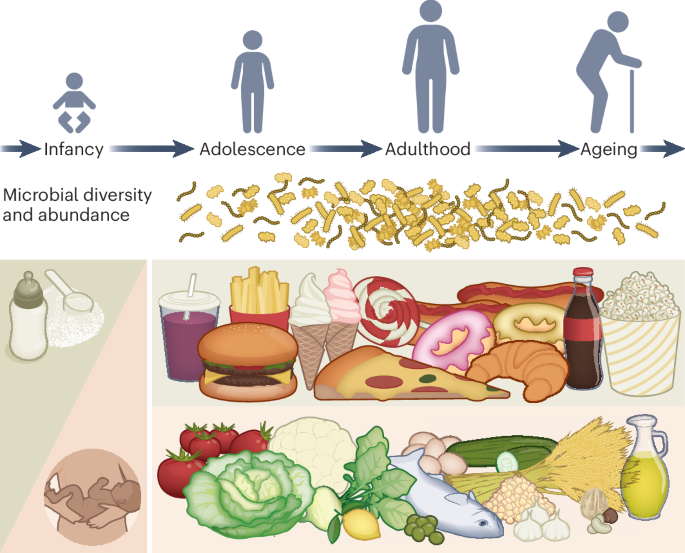
The microbiome's role in cognitive function is a rapidly evolving field of research, with studies suggesting that gut bacteria can produce neuroactive compounds that influence cognitive function. The gut-brain axis is also influenced by diet, with a Western diet high in processed foods and sugar disrupting the balance of the microbiome. In contrast, a Mediterranean diet rich in fruits, vegetables, and whole grains has been shown to promote a healthy gut microbiome. Furthermore, probiotics and prebiotics have been found to have a positive impact on the gut-brain axis.
🔬 The Science Behind Gut Brain Axis
The science behind the gut brain axis is complex and multifaceted, involving the vagus nerve, neurotransmitters, and hormones. The vagus nerve is a key player in the gut brain axis, transmitting signals between the brain and the gut. Neurotransmitters such as serotonin and dopamine also play a crucial role in regulating mood and cognitive function. Additionally, hormones such as cortisol and insulin are influenced by the gut-brain axis. For example, chronic stress can disrupt the balance of the microbiome, leading to changes in hormone production and cognitive function.
📈 The Impact of Diet on Gut Brain Axis
The impact of diet on the gut brain axis is a critical area of research, with studies suggesting that a Western diet can disrupt the balance of the microbiome. In contrast, a Mediterranean diet rich in fruits, vegetables, and whole grains has been shown to promote a healthy gut microbiome. Fiber is also an essential component of a healthy diet, with prebiotic fiber feeding the good bacteria in the gut. Furthermore, probiotics and prebiotics have been found to have a positive impact on the gut-brain axis. For example, probiotic supplements have been shown to improve cognitive function and reduce symptoms of depression.
🧠 The Relationship Between Gut Brain Axis and Mental Health
The relationship between the gut brain axis and mental health is complex and bidirectional, with studies suggesting that gut bacteria can influence mood and cognitive function. Anxiety disorders and depressive disorders have been linked to an imbalance of the microbiome, with gut bacteria playing a crucial role in regulating stress response. Additionally, neurodegenerative diseases such as Alzheimer's disease and Parkinson's disease have been linked to disruptions in the gut-brain axis. For example, gut inflammation has been shown to contribute to the development of neurodegenerative diseases.
👴 The Effects of Aging on Gut Brain Axis
The effects of aging on the gut brain axis are significant, with studies suggesting that the microbiome changes with age. As we age, the balance of the microbiome shifts, with a decrease in beneficial bacteria and an increase in pathogenic bacteria. This shift can lead to changes in cognitive function and mood, with older adults being more susceptible to cognitive decline and depressive disorders. Furthermore, age-related diseases such as Alzheimer's disease and Parkinson's disease have been linked to disruptions in the gut-brain axis.
🚫 The Consequences of Disrupting Gut Brain Axis
The consequences of disrupting the gut brain axis are significant, with studies suggesting that an imbalance of the microbiome can lead to a range of health problems. Gut inflammation has been linked to neurodegenerative diseases, mental health disorders, and autoimmune diseases. Additionally, disruptions in the gut-brain axis have been linked to obesity, diabetes, and cardiovascular disease. For example, gut inflammation has been shown to contribute to the development of insulin resistance and metabolic syndrome.
💡 Potential Therapies for Gut Brain Axis Disorders
Potential therapies for gut brain axis disorders are being developed, with probiotics, prebiotics, and psychobiotics showing promise. Psychobiotics are live microorganisms that have a positive impact on mental health, with studies suggesting that they can reduce symptoms of anxiety and symptoms of depression. Additionally, fecal microbiota transplantation has been shown to be effective in treating gut-brain axis disorders. For example, fecal microbiota transplantation has been used to treat irritable bowel syndrome and inflammatory bowel disease.
🔍 Current Research and Future Directions
Current research and future directions in the field of gut brain axis are focused on understanding the complex interactions between the microbiome, the brain, and the gut. Studies are investigating the role of the microbiome in neurodegenerative diseases, mental health disorders, and autoimmune diseases. Additionally, researchers are exploring the potential of probiotics, prebiotics, and psychobiotics as therapeutic agents for gut brain axis disorders. For example, probiotic supplements have been shown to improve cognitive function and reduce symptoms of depression.
📊 The Economic Burden of Gut Brain Axis Disorders
The economic burden of gut brain axis disorders is significant, with studies suggesting that the cost of treating gut-brain axis disorders is substantial. Mental health disorders such as anxiety disorders and depressive disorders have a significant economic burden, with costs estimated to be in the billions of dollars. Additionally, neurodegenerative diseases such as Alzheimer's disease and Parkinson's disease have a significant economic burden, with costs estimated to be in the trillions of dollars. For example, the cost of treating Alzheimer's disease is estimated to be over $1 trillion annually.
👥 Public Awareness and Education
Public awareness and education about the gut brain axis are essential, with studies suggesting that a lack of understanding about the gut-brain axis can lead to a range of health problems. Public awareness campaigns and education programs can help to promote a better understanding of the gut-brain axis and the importance of maintaining a healthy microbiome. Additionally, healthcare professionals can play a crucial role in promoting a better understanding of the gut-brain axis and the importance of maintaining a healthy microbiome. For example, healthcare professionals can provide patients with information about the importance of diet and lifestyle in maintaining a healthy gut-brain axis.
Key Facts
- Year
- 2019
- Origin
- The concept of the gut brain axis has its roots in the early 20th century, but it wasn't until the 1990s that the term gained widespread use, with the publication of a seminal paper by Dr. Michael Gershon in 1998.
- Category
- Health and Wellness
- Type
- Biological Concept
Frequently Asked Questions
What is the gut brain axis?
The gut brain axis refers to the bidirectional communication network between the central nervous system and the enteric nervous system. This complex system plays a crucial role in maintaining cognitive function, mood regulation, and overall health and wellness. The microbiome has a significant influence on the gut brain axis, with gut bacteria producing neurotransmitters and hormones that affect brain function.
How does the microbiome influence cognitive function?
The microbiome influences cognitive function through the production of neurotransmitters and hormones that affect brain function. Gut bacteria produce neuroactive compounds that can influence mood and cognitive function. Additionally, the microbiome plays a crucial role in regulating inflammation, which can impact cognitive function.
What is the relationship between the gut brain axis and mental health?
The relationship between the gut brain axis and mental health is complex and bidirectional, with studies suggesting that gut bacteria can influence mood and cognitive function. Anxiety disorders and depressive disorders have been linked to an imbalance of the microbiome, with gut bacteria playing a crucial role in regulating stress response.
How can I promote a healthy gut brain axis?
Promoting a healthy gut-brain axis involves maintaining a healthy microbiome through a balanced diet and lifestyle. A Mediterranean diet rich in fruits, vegetables, and whole grains has been shown to promote a healthy gut microbiome. Additionally, probiotics and prebiotics can help to support the growth of beneficial bacteria in the gut.
What are the potential therapies for gut brain axis disorders?
Potential therapies for gut brain axis disorders include probiotics, prebiotics, and psychobiotics. Psychobiotics are live microorganisms that have a positive impact on mental health, with studies suggesting that they can reduce symptoms of anxiety and symptoms of depression. Additionally, fecal microbiota transplantation has been shown to be effective in treating gut-brain axis disorders.