
Contents
- 🏋️♀️ Origins & History
- 📊 How It Works
- 👥 Key People & Organizations
- 📈 Key Facts & Numbers
- 🌎 Cultural Impact & Influence
- ⚖️ Current State & Latest Developments
- 🤝 Controversies & Debates
- 🔮 Future Outlook & Predictions
- 🏥 Practical Applications
- 📚 Related Topics & Deeper Reading
- Frequently Asked Questions
- References
- Related Topics
Overview
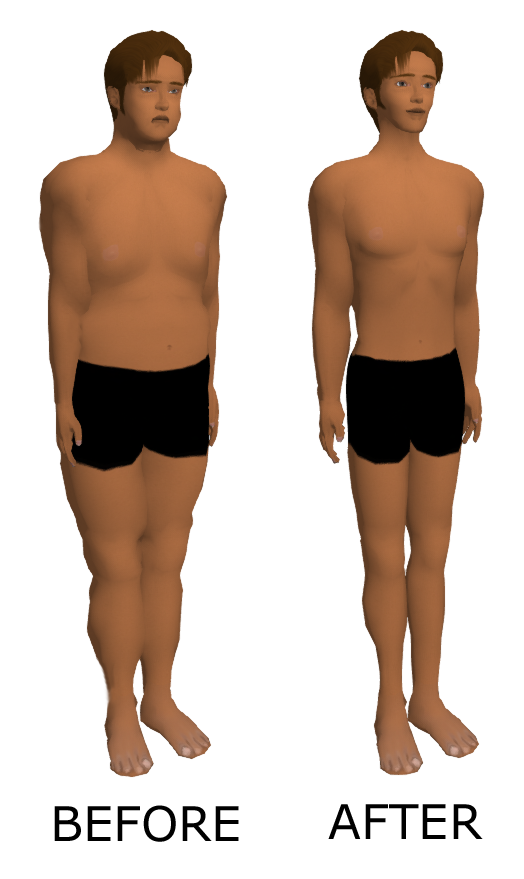
Weight loss refers to the reduction of total body mass, resulting from a mean loss of fluid, body fat, or lean mass. This can occur unintentionally due to malnourishment or underlying diseases, or from a conscious effort to improve an actual or perceived overweight or obese state. With the global obesity epidemic on the rise, weight loss has become a major concern for individuals, healthcare professionals, and researchers alike. According to the World Health Organization (WHO), approximately 39% of adults worldwide are overweight, and 13% are obese. The weight loss industry is a multibillion-dollar market, with an estimated global value of over $245 billion in 2020. As people strive to achieve their ideal weight, they often turn to various methods, including dieting, exercise, and medication. However, with so many options available, it can be challenging to determine the most effective and sustainable approach. Recent studies have shown that a combination of healthy eating habits, regular physical activity, and behavioral changes can lead to significant weight loss and improved overall health. For instance, a study published in the Journal of the American Medical Association (JAMA) found that participants who followed a Mediterranean-style diet and engaged in regular exercise experienced a significant reduction in body weight and improved cardiovascular health. As the conversation around weight loss continues to evolve, it's essential to consider the complex interplay of factors that influence an individual's ability to lose weight and maintain weight loss over time.
🏋️♀️ Origins & History
The concept of weight loss has been around for centuries, with ancient civilizations such as the Greeks and Romans recognizing the importance of maintaining a healthy weight. However, it wasn't until the 20th century that the scientific community began to study weight loss in depth. One of the pioneers in this field was Jean-Michel Montanier, a French physician who developed the concept of 'caloric deficit' in the 1970s. Since then, numerous researchers, including Barry Popkin and Marion Nestle, have made significant contributions to our understanding of weight loss. Today, organizations such as the World Health Organization (WHO) and the National Institutes of Health (NIH) continue to play a crucial role in promoting healthy weight loss practices.
📊 How It Works
Weight loss occurs when the body burns more calories than it consumes, resulting in a reduction of body fat, lean mass, or both. This can be achieved through a combination of diet, exercise, and behavioral changes. For example, a study published in the Journal of the American Medical Association (JAMA) found that participants who followed a Mediterranean-style diet and engaged in regular exercise experienced a significant reduction in body weight and improved cardiovascular health. Additionally, medications such as Orlistat and Phentermine can be prescribed to aid in weight loss, particularly for individuals with obesity-related health conditions.
👥 Key People & Organizations
The weight loss industry is a significant sector, with an estimated global value of over $245 billion in 2020. According to a report by Grand View Research, the global weight loss market is expected to grow at a compound annual growth rate (CAGR) of 4.5% from 2020 to 2027. Key players in this market include Weight Watchers, Nutrisystem, and Jenny Craig. Furthermore, the rise of digital health technologies, such as MyFitnessPal and Lose It!, has made it easier for individuals to track their progress and connect with others who share similar weight loss goals.
📈 Key Facts & Numbers
Key people in the weight loss industry include Mehmet Oz, a cardiothoracic surgeon and television personality who has written extensively on the topic of weight loss. Other notable figures include Andrew Weil, a pioneer in the field of integrative medicine, and David Katz, a nutrition expert and founder of the Yale-Griffin Prevention Research Center. Organizations such as the Academy of Nutrition and Dietetics and the National Eating Disorders Association (NEDA) also play a crucial role in promoting healthy weight loss practices and providing support to individuals struggling with eating disorders.
🌎 Cultural Impact & Influence
Weight loss has a significant cultural impact, with the media often perpetuating unrealistic beauty standards and promoting fad diets. However, in recent years, there has been a shift towards a more inclusive and diverse representation of body types, with the rise of the body positivity movement. Social media platforms, such as Instagram and TikTok, have also become important tools for individuals to share their weight loss journeys and connect with others who share similar experiences. For example, the Weight Loss Support community on Reddit has over 1.5 million members, providing a safe space for individuals to discuss their weight loss struggles and successes.
⚖️ Current State & Latest Developments
Currently, the weight loss industry is experiencing a significant shift towards a more holistic approach, with a focus on sustainable lifestyle changes rather than quick fixes. The rise of plant-based diets and intermittent fasting has also become increasingly popular, with many individuals reporting significant weight loss and improved overall health. However, with the increasing demand for weight loss solutions, there is also a growing concern about the safety and efficacy of certain products and programs. For instance, the FDA has issued warnings about the potential risks associated with certain weight loss supplements, such as Garcinia Cambogia.
🤝 Controversies & Debates
One of the main controversies surrounding weight loss is the issue of weight stigma, with many individuals experiencing discrimination and prejudice due to their weight. Additionally, the weight loss industry has been criticized for promoting unrealistic and unhealthy beauty standards, particularly among young people. For example, a study published in the Journal of Adolescent Health found that exposure to social media can lead to increased body dissatisfaction and disordered eating behaviors among adolescents. Furthermore, the use of certain weight loss medications, such as Phentermine, has been linked to serious side effects, including heart palpitations and increased blood pressure.
🔮 Future Outlook & Predictions
Looking to the future, it's likely that the weight loss industry will continue to evolve, with a focus on personalized and sustainable approaches. The rise of artificial intelligence and machine learning is also expected to play a significant role in the development of more effective weight loss programs. For instance, companies like Noom and Habit are using AI-powered platforms to provide personalized nutrition and fitness recommendations to their users. Additionally, the increasing awareness of the importance of Mental Health and Self-Care is likely to lead to a more holistic approach to weight loss, with a focus on overall well-being rather than just physical appearance.
🏥 Practical Applications
Practically, weight loss can be achieved through a combination of healthy eating habits, regular physical activity, and behavioral changes. This can include keeping a food diary, engaging in mindful eating, and finding healthy ways to cope with stress and emotions. Additionally, seeking support from a registered dietitian or a health coach can be beneficial in developing a personalized weight loss plan. For example, the American Heart Association recommends at least 150 minutes of moderate-intensity aerobic activity per week, as well as strength-training exercises at least twice a week.
Key Facts
- Year
- 2020
- Origin
- Global
- Category
- health
- Type
- concept
Frequently Asked Questions
What is the most effective way to lose weight?
The most effective way to lose weight is through a combination of healthy eating habits, regular physical activity, and behavioral changes. This can include keeping a food diary, engaging in mindful eating, and finding healthy ways to cope with stress and emotions. Additionally, seeking support from a registered dietitian or a health coach can be beneficial in developing a personalized weight loss plan.
How can I maintain weight loss over time?
Maintaining weight loss over time requires a long-term commitment to healthy habits, including a balanced diet and regular physical activity. It's also important to monitor progress and make adjustments as needed. Additionally, seeking support from a community or a healthcare professional can help individuals stay on track and overcome challenges.
What are the potential risks of weight loss?
The potential risks of weight loss include malnutrition, dehydration, and electrolyte imbalances. Additionally, certain weight loss methods, such as crash diets or excessive exercise, can lead to negative effects on mental and physical health. It's essential to approach weight loss in a healthy and sustainable way, with a focus on overall well-being rather than just physical appearance.
How can I overcome weight loss plateaus?
Overcoming weight loss plateaus requires a combination of patience, persistence, and creativity. This can include trying new recipes, incorporating different types of exercise, and seeking support from a community or a healthcare professional. Additionally, it's essential to focus on progress, not perfection, and to celebrate small victories along the way.
What is the role of nutrition in weight loss?
Nutrition plays a critical role in weight loss, as it provides the body with the necessary fuel for energy and growth. A balanced diet that includes a variety of whole foods, such as fruits, vegetables, whole grains, and lean proteins, can help support weight loss and overall health. Additionally, being mindful of portion sizes and avoiding excessive sugar and saturated fat can help individuals achieve their weight loss goals.
How can I stay motivated during my weight loss journey?
Staying motivated during a weight loss journey requires a combination of inspiration, accountability, and support. This can include setting realistic goals, tracking progress, and seeking support from a community or a healthcare professional. Additionally, finding healthy ways to cope with stress and emotions, such as meditation or yoga, can help individuals stay motivated and focused on their goals.
What are the benefits of weight loss?
The benefits of weight loss include improved overall health, increased energy, and enhanced mental well-being. Weight loss can also reduce the risk of chronic diseases, such as heart disease, diabetes, and certain types of cancer. Additionally, achieving a healthy weight can improve self-esteem and body image, leading to a more positive and confident outlook on life.