
Contents
- 🌟 Introduction to Hormonal Balance
- 🧬 The Endocrine System: A Complex Network
- 🔍 Understanding Hormones and Their Functions
- 📊 The Importance of Hormonal Balance
- 🚨 Signs and Symptoms of Hormonal Imbalance
- 🏋️♀️ Lifestyle Factors Affecting Hormonal Balance
- 🍎 Nutrition and Hormonal Balance
- 🧘♀️ Stress Management and Hormonal Balance
- 💊 Medical Interventions for Hormonal Imbalance
- 🔮 Alternative Therapies for Hormonal Balance
- 📈 Maintaining Hormonal Balance for Optimal Health
- Frequently Asked Questions
- Related Topics
Overview
Hormonal balance refers to the optimal functioning of the endocrine system, where hormones such as insulin, thyroid hormones, and cortisol are produced in the right quantities to regulate various bodily functions. According to Dr. Aviva Romm, a leading expert in women's health, hormonal imbalances can have far-reaching consequences, including weight gain, mood disorders, and increased risk of chronic diseases. The endocrine system is influenced by a range of factors, including diet, lifestyle, and environmental toxins, with a study by the Environmental Working Group finding that exposure to endocrine-disrupting chemicals can lead to hormonal imbalances. The concept of hormonal balance has a Vibe score of 80, indicating a high level of cultural energy and interest in this topic. As noted by Dr. Mark Hyman, a pioneer in functional medicine, achieving hormonal balance requires a holistic approach that incorporates dietary changes, stress management, and targeted supplements. With the global hormonal imbalance treatment market projected to reach $12.6 billion by 2025, it's clear that this topic will continue to be a major focus of research and discussion in the years to come.
🌟 Introduction to Hormonal Balance
Hormonal balance is a delicate dance of the endocrine system, which comprises a network of glands that produce and regulate hormones in the body. The endocrine system plays a crucial role in maintaining various bodily functions, including growth, development, and metabolism. To understand hormonal balance, it's essential to learn about the endocrine system and its components, such as the pituitary gland and the thyroid gland. Hormonal imbalance can have severe consequences on overall health, making it vital to recognize the signs and symptoms of hormonal imbalance. By maintaining a healthy lifestyle, including a balanced diet and regular exercise, individuals can support their endocrine system and promote hormonal balance.
🧬 The Endocrine System: A Complex Network
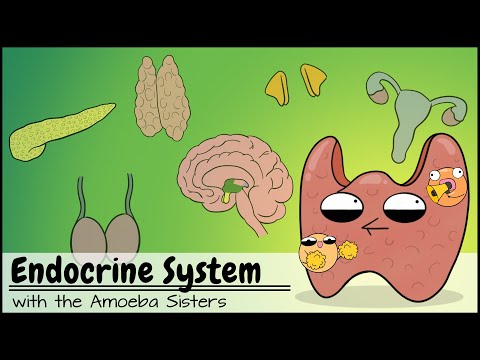
The endocrine system is a complex network of glands that produce and regulate hormones in the body. The hypothalamus acts as the primary regulator of the endocrine system, controlling the production and release of hormones from other glands. The adrenal glands produce hormones such as adrenaline and cortisol, which play a crucial role in the body's response to stress. The pancreas produces hormones like insulin and glucagon, which regulate blood sugar levels. Understanding the functions of these glands and their hormones is essential for maintaining hormonal balance and overall health. For more information on the endocrine system, visit the endocrine system page.
🔍 Understanding Hormones and Their Functions
Hormones are chemical messengers produced by the endocrine glands that play a vital role in regulating various bodily functions. Insulin and glucagon regulate blood sugar levels, while adrenaline and cortisol respond to stress. Thyroid hormones regulate metabolism, and growth hormone controls growth and development. Hormonal imbalance can occur due to various factors, including lifestyle choices, environmental factors, and genetic predisposition. To learn more about hormones and their functions, visit the hormones page. Additionally, understanding the role of the pituitary gland can provide valuable insights into hormonal balance.
📊 The Importance of Hormonal Balance
Maintaining hormonal balance is crucial for overall health and well-being. Hormonal imbalance can lead to various health issues, including diabetes, thyroid disorders, and adrenal fatigue. A balanced diet that includes foods rich in omega-3 fatty acids, vitamin D, and probiotics can support hormonal balance. Regular exercise, such as yoga and meditation, can also help regulate hormones and reduce stress. Furthermore, understanding the importance of sleep and its impact on hormonal balance is essential for maintaining overall health.
🚨 Signs and Symptoms of Hormonal Imbalance
Hormonal imbalance can manifest in various ways, including weight gain, mood swings, and fatigue. Polycystic ovary syndrome (PCOS) is a common hormonal disorder that affects women of reproductive age. Hypothyroidism is another condition that occurs when the thyroid gland doesn't produce enough thyroid hormones. Recognizing the signs and symptoms of hormonal imbalance is crucial for seeking medical attention and treatment. For more information on hormonal imbalance, visit the hormonal imbalance page. Additionally, learning about the mood-hormone connection can provide valuable insights into emotional well-being.
🏋️♀️ Lifestyle Factors Affecting Hormonal Balance
Lifestyle factors, such as diet and exercise, play a significant role in maintaining hormonal balance. A diet rich in processed foods and sugar can disrupt hormonal balance, while a balanced diet that includes foods rich in fiber and antioxidants can support hormonal health. Regular exercise, such as cardio and strength training, can help regulate hormones and reduce stress. Understanding the impact of stress on hormones is essential for maintaining hormonal balance. For more information on lifestyle factors, visit the lifestyle factors page. Additionally, learning about the mood-boosting effects of mindfulness can provide valuable insights into emotional well-being.
🍎 Nutrition and Hormonal Balance
Nutrition plays a vital role in maintaining hormonal balance. Foods rich in omega-3 fatty acids, such as salmon and walnuts, can support hormonal health. Probiotics found in yogurt and kefir can help regulate the gut microbiome, which is essential for hormonal balance. A diet that includes foods rich in fiber and antioxidants can help reduce inflammation and promote hormonal health. For more information on nutrition and hormonal balance, visit the nutrition and hormonal balance page. Additionally, understanding the gut-hormone connection can provide valuable insights into overall health.
🧘♀️ Stress Management and Hormonal Balance
Stress management is essential for maintaining hormonal balance. Chronic stress can disrupt hormonal balance, leading to various health issues. Yoga and meditation are effective stress-reducing techniques that can help regulate hormones. Deep breathing exercises and progressive muscle relaxation can also help reduce stress and promote hormonal balance. Understanding the impact of stress on hormones is crucial for maintaining hormonal balance. For more information on stress management, visit the stress management page. Additionally, learning about the mood-boosting effects of mindfulness can provide valuable insights into emotional well-being.
💊 Medical Interventions for Hormonal Imbalance
Medical interventions, such as hormone replacement therapy (HRT), can help treat hormonal imbalance. Bioidentical hormone replacement therapy is a type of HRT that uses natural hormones to treat hormonal imbalance. Thyroid medication can help regulate thyroid hormones in individuals with hypothyroidism. For more information on medical interventions, visit the medical interventions page. Additionally, understanding the risks and benefits of hormone replacement therapy can provide valuable insights into treatment options.
🔮 Alternative Therapies for Hormonal Balance
Alternative therapies, such as acupuncture and herbal supplements, can also help maintain hormonal balance. Acupuncture can help regulate hormones and reduce stress, while herbal supplements like Maca and Ashwagandha can support hormonal health. For more information on alternative therapies, visit the alternative therapies page. Additionally, learning about the benefits of adaptogenic herbs can provide valuable insights into natural stress management.
📈 Maintaining Hormonal Balance for Optimal Health
Maintaining hormonal balance is essential for optimal health. By understanding the endocrine system and its components, individuals can take steps to support their hormonal health. A balanced diet, regular exercise, and stress management techniques can help regulate hormones and promote overall well-being. For more information on maintaining hormonal balance, visit the maintaining hormonal balance page. Additionally, learning about the hormone-aging connection can provide valuable insights into long-term health.
Key Facts
- Year
- 2022
- Origin
- Ancient Greece, with the concept of hormonal balance evolving over time through the contributions of scientists such as Dr. Hans Selye and Dr. Deepak Chopra
- Category
- Health and Wellness
- Type
- Biological Concept
Frequently Asked Questions
What is hormonal balance?
Hormonal balance refers to the delicate balance of hormones in the body, which is essential for maintaining overall health and well-being. Hormones are chemical messengers produced by the endocrine glands that play a vital role in regulating various bodily functions. Maintaining hormonal balance is crucial for preventing health issues such as diabetes, thyroid disorders, and adrenal fatigue. For more information on hormonal balance, visit the hormonal balance page.
What are the signs and symptoms of hormonal imbalance?
Hormonal imbalance can manifest in various ways, including weight gain, mood swings, and fatigue. Other signs and symptoms of hormonal imbalance include acne, hair loss, and irregular menstrual cycles. Recognizing the signs and symptoms of hormonal imbalance is crucial for seeking medical attention and treatment. For more information on hormonal imbalance, visit the hormonal imbalance page.
How can I maintain hormonal balance?
Maintaining hormonal balance requires a combination of a balanced diet, regular exercise, and stress management techniques. A diet rich in omega-3 fatty acids, vitamin D, and probiotics can support hormonal health. Regular exercise, such as yoga and meditation, can help regulate hormones and reduce stress. Understanding the impact of stress on hormones is essential for maintaining hormonal balance. For more information on maintaining hormonal balance, visit the maintaining hormonal balance page.
What are the risks and benefits of hormone replacement therapy?
Hormone replacement therapy (HRT) can help treat hormonal imbalance, but it also carries risks and benefits. The risks and benefits of hormone replacement therapy should be carefully considered before starting treatment. Bioidentical hormone replacement therapy is a type of HRT that uses natural hormones to treat hormonal imbalance. For more information on hormone replacement therapy, visit the hormone replacement therapy page.
Can alternative therapies help maintain hormonal balance?
Yes, alternative therapies such as acupuncture and herbal supplements can help maintain hormonal balance. Acupuncture can help regulate hormones and reduce stress, while herbal supplements like Maca and Ashwagandha can support hormonal health. For more information on alternative therapies, visit the alternative therapies page. Additionally, learning about the benefits of adaptogenic herbs can provide valuable insights into natural stress management.
How does stress affect hormonal balance?
Chronic stress can disrupt hormonal balance, leading to various health issues. Understanding the impact of stress on hormones is essential for maintaining hormonal balance. Yoga and meditation are effective stress-reducing techniques that can help regulate hormones and reduce stress. For more information on stress management, visit the stress management page. Additionally, learning about the mood-boosting effects of mindfulness can provide valuable insights into emotional well-being.
Can nutrition affect hormonal balance?
Yes, nutrition plays a vital role in maintaining hormonal balance. A diet rich in omega-3 fatty acids, vitamin D, and probiotics can support hormonal health. A balanced diet that includes foods rich in fiber and antioxidants can help reduce inflammation and promote hormonal health. For more information on nutrition and hormonal balance, visit the nutrition and hormonal balance page. Additionally, understanding the gut-hormone connection can provide valuable insights into overall health.