
Contents
Overview
Salmon, with a vibe score of 82, is a keystone species that supports entire ecosystems, from the bears that feed on them to the forests that rely on the nutrients they bring. However, their populations are threatened by overfishing, habitat destruction, and climate change, sparking intense debates among conservationists, fishermen, and indigenous communities. The salmon industry is a significant economic driver, with the global market valued at over $20 billion annually. Yet, the cultural resonance of salmon extends far beyond their economic value, with a rich history in the folklore and traditions of many societies. As we look to the future, the fate of salmon will be shaped by the interplay between technological innovations, such as aquaculture and genetic engineering, and the push for sustainable and equitable management of this critical resource. With a controversy spectrum rating of 6 out of 10, the conversation around salmon is marked by tension and uncertainty, reflecting the complex web of interests and values at stake.
🌊 Introduction to Salmon
Salmon are a keystone species, playing a crucial role in maintaining the health of their ecosystems. As a food source, they support a wide range of wildlife, from Bears to Eagles. Salmon are also an important part of the Food Chain, with their migration patterns and nutrient-rich bodies contributing to the fertility of the surrounding environment. The Salmon Lifecycle is complex, with the fish migrating from freshwater to saltwater and back again. This unique lifecycle makes them an fascinating subject for Marine Biologists and Ecologists. Salmon are also a popular choice for Aquaculture, with many farms raising them for human consumption. However, this practice has raised concerns about the impact on Wild Salmon populations and the potential for Disease Transmission.
🐟 Species and Classification
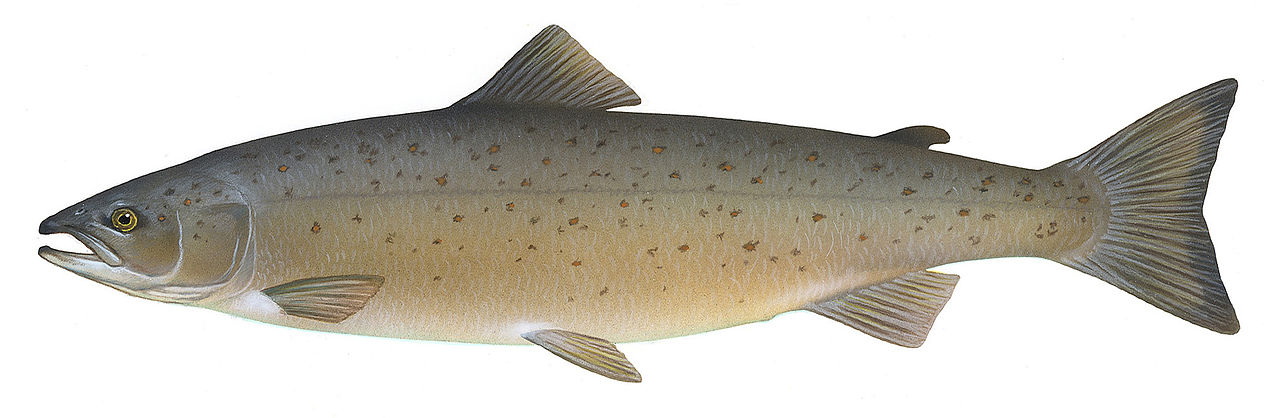
The term 'salmon' is a colloquialism, encompassing several species of fish from the genera Salmo and Oncorhynchus. These species are part of the family Salmonidae, which also includes Trout, Char, Grayling, Whitefish, Lenok, and Taimen. All of these fish are coldwater species, found in the subarctic and cooler temperate regions of the world. They can be divided into two main groups: the Atlantic Salmon (Salmo salar) and the Pacific Salmon (Oncorhynchus spp.). The Taxonomy of salmon is still evolving, with new research shedding light on the Phylogenetics of these fish. This has significant implications for Conservation Efforts and Sustainable Fishing practices.
🌍 Geographic Distribution
Salmon are found in the tributaries of the North Atlantic and North Pacific basins, with some populations also present in Central Asia. The Geographic Distribution of salmon is closely tied to their Migration Patterns, which can vary significantly between species. For example, the Sockeye Salmon (Oncorhynchus nerka) migrates from the ocean to the Freshwater Lakes of North America, while the Chinook Salmon (Oncorhynchus tshawytscha) migrates to the Rivers of the Pacific Northwest. Understanding the Habitat Requirements of salmon is crucial for Habitat Conservation and Ecosystem Management. The Hydrology of salmon habitats is also an important factor, with changes in Water Quality and Water Temperature affecting the health and survival of these fish.
📊 Commercial Importance
Salmon are a commercially important species, with many countries relying on them as a source of food and income. The Commercial Fishing industry for salmon is significant, with millions of tons of fish being caught and sold each year. However, this has raised concerns about the Sustainability of salmon fisheries and the impact on Wild Salmon populations. The Aquaculture industry is also growing, with many farms raising salmon for human consumption. This has led to debates about the Environmental Impact of salmon farming and the potential for Disease Transmission to wild populations. The Economics of salmon fishing and farming are complex, with many factors influencing the Market Demand for these fish.
🍴 Culinary Significance
Salmon are a popular choice for many cuisines, with their rich flavor and firm texture making them a versatile ingredient. The Culinary Significance of salmon is evident in the many dishes that feature them, from Sushi to BBQ. The Nutrition of salmon is also significant, with the fish being a rich source of Omega-3 Fatty Acids and other essential nutrients. However, the Food Safety of salmon is also a concern, with the risk of Foodborne Illness from contaminated fish. The Cooking Methods used for salmon can also affect the nutritional content and flavor of the fish. The Culinary Culture surrounding salmon is rich and diverse, with many traditional dishes and cooking methods being passed down through generations.
🌈 Cultural Resonance
Salmon have a significant cultural resonance, with many indigenous communities relying on them as a source of food and spiritual guidance. The Cultural Significance of salmon is evident in the many stories, legends, and traditions that surround them. The Indigenous Perspectives on salmon are diverse and complex, with many communities having a deep connection to the fish and their habitats. The Art and Literature inspired by salmon are also significant, with many works featuring the fish as a symbol of strength, resilience, and beauty. The Symbolism of salmon is multifaceted, with the fish representing different things to different cultures and communities. The Cultural Exchange surrounding salmon is also significant, with many communities sharing their knowledge and traditions with others.
🚨 Conservation Status
The conservation status of salmon is a concern, with many populations being threatened or endangered. The Conservation Status of salmon is closely tied to the Habitat Degradation and Overfishing of their habitats. The Climate Change is also affecting salmon populations, with changes in Water Temperature and Ocean Acidification impacting the health and survival of these fish. The Conservation Efforts for salmon are significant, with many organizations and communities working to protect and restore their habitats. The Policy and Legislation surrounding salmon conservation are complex, with many factors influencing the Management of Salmon populations.
💡 Scientific Research
Scientific research on salmon is ongoing, with many studies focusing on their behavior, ecology, and conservation. The Scientific Research on salmon is significant, with many discoveries being made about their Migration Patterns, Feeding Habits, and Social Behavior. The Genetics of salmon are also being studied, with many researchers exploring the Phylogenetics of these fish. The Ecology of salmon is complex, with the fish playing a crucial role in maintaining the health of their ecosystems. The Conservation Biology of salmon is also a significant area of research, with many scientists working to develop effective conservation strategies for these fish.
🌟 Indigenous Perspectives
Indigenous perspectives on salmon are diverse and complex, with many communities having a deep connection to the fish and their habitats. The Indigenous Knowledge of salmon is significant, with many communities having a rich understanding of the fish and their ecosystems. The Traditional Ecological Knowledge of salmon is also important, with many communities having developed sustainable fishing practices and conservation strategies over thousands of years. The Cultural Relevance of salmon is multifaceted, with the fish representing different things to different cultures and communities. The Community-Based Conservation of salmon is also significant, with many communities working together to protect and restore their habitats.
🤝 Sustainable Fishing Practices
Sustainable fishing practices are essential for the long-term conservation of salmon populations. The Sustainable Fishing practices for salmon are complex, with many factors influencing the Management of Salmon populations. The Catch-and-Release fishing practices are significant, with many anglers adopting this approach to reduce the impact on salmon populations. The Fishing Gear used for salmon fishing is also important, with many types of gear being developed to reduce Bycatch and Habitat Damage. The Ecolabeling of salmon products is also significant, with many consumers looking for sustainable and responsibly sourced seafood. The Certification of salmon products is complex, with many organizations and governments developing standards and certification programs for sustainable seafood.
🌎 Global Impact
The global impact of salmon is significant, with the fish playing a crucial role in maintaining the health of their ecosystems. The Global Impact of salmon is multifaceted, with the fish affecting many different aspects of the environment and human societies. The Ecosystem Services provided by salmon are significant, with the fish contributing to the fertility of their habitats and supporting a wide range of wildlife. The Human Health benefits of salmon are also important, with the fish being a rich source of Omega-3 Fatty Acids and other essential nutrients. The Economic Benefits of salmon are also significant, with the fish supporting many industries and communities around the world.
Key Facts
- Year
- 2023
- Origin
- Pacific Northwest, North America
- Category
- Environment, Food, Culture
- Type
- Species
Frequently Asked Questions
What is the difference between Atlantic and Pacific salmon?
The main difference between Atlantic Salmon and Pacific Salmon is their geographic distribution and species composition. Atlantic salmon are found in the North Atlantic basin, while Pacific salmon are found in the North Pacific basin. There are also several species of Pacific salmon, including Sockeye Salmon, Chinook Salmon, and Coho Salmon. The Taxonomy of salmon is complex, with many species and subspecies being recognized.
Why are salmon important to indigenous communities?
Salmon are important to Indigenous Communities for many reasons, including their cultural and spiritual significance. Many indigenous communities have a deep connection to salmon and their habitats, with the fish playing a crucial role in their traditional way of life. The Indigenous Knowledge of salmon is significant, with many communities having a rich understanding of the fish and their ecosystems. The Cultural Relevance of salmon is multifaceted, with the fish representing different things to different cultures and communities.
What is the impact of climate change on salmon populations?
The impact of Climate Change on salmon populations is significant, with the fish being affected by changes in Water Temperature and Ocean Acidification. The Habitat Degradation caused by climate change is also a major concern, with many salmon habitats being altered or destroyed. The Conservation Status of salmon is closely tied to the impact of climate change, with many populations being threatened or endangered. The Climate Change Mitigation strategies for salmon are complex, with many factors influencing the Management of Salmon populations.
How can I cook salmon sustainably?
There are many ways to cook salmon sustainably, including using Sustainable Seafood certification programs and choosing Wild-Caught or Aquaculture-raised salmon. The Cooking Methods used for salmon can also affect the nutritional content and flavor of the fish. The Food Safety of salmon is also a concern, with the risk of Foodborne Illness from contaminated fish. The Culinary Culture surrounding salmon is rich and diverse, with many traditional dishes and cooking methods being passed down through generations.
What is the role of salmon in maintaining ecosystem health?
Salmon play a crucial role in maintaining the health of their ecosystems, with the fish contributing to the fertility of their habitats and supporting a wide range of wildlife. The Ecosystem Services provided by salmon are significant, with the fish affecting many different aspects of the environment. The Habitat Conservation of salmon is essential for maintaining the health of their ecosystems, with many organizations and communities working to protect and restore their habitats. The Conservation Biology of salmon is also a significant area of research, with many scientists working to develop effective conservation strategies for these fish.