
Contents
- 🔍 Introduction to Gesture Recognition
- 💻 History of Gesture Recognition
- 📊 Machine Learning in Gesture Recognition
- 👀 Computer Vision and Gesture Recognition
- 📈 Applications of Gesture Recognition
- 🤖 Gesture Recognition in Robotics
- 📊 Challenges in Gesture Recognition
- 🔮 Future of Gesture Recognition
- 📈 Market Trends and Opportunities
- 👥 Ethical Considerations in Gesture Recognition
- 📊 Controversies and Debates in Gesture Recognition
- Frequently Asked Questions
- Related Topics
Overview
Gesture recognition, a technology that enables computers to interpret human gestures, has been gaining traction since the 1980s. With the help of machine learning algorithms and computer vision, gesture recognition has become increasingly accurate, paving the way for innovative applications in fields such as gaming, healthcare, and smart home automation. According to a report by MarketsandMarkets, the gesture recognition market is expected to reach $32.8 billion by 2025, growing at a Compound Annual Growth Rate (CAGR) of 22.1% from 2020 to 2025. Researchers like Professor Thad Starner, who has been working on gesture recognition since the 1990s, have made significant contributions to the field. However, concerns about data privacy and the potential for misinterpretation of gestures have sparked debates about the ethics of gesture recognition technology. As the technology continues to advance, we can expect to see more seamless and intuitive interactions between humans and computers, with potential applications in areas like education and accessibility.
🔍 Introduction to Gesture Recognition
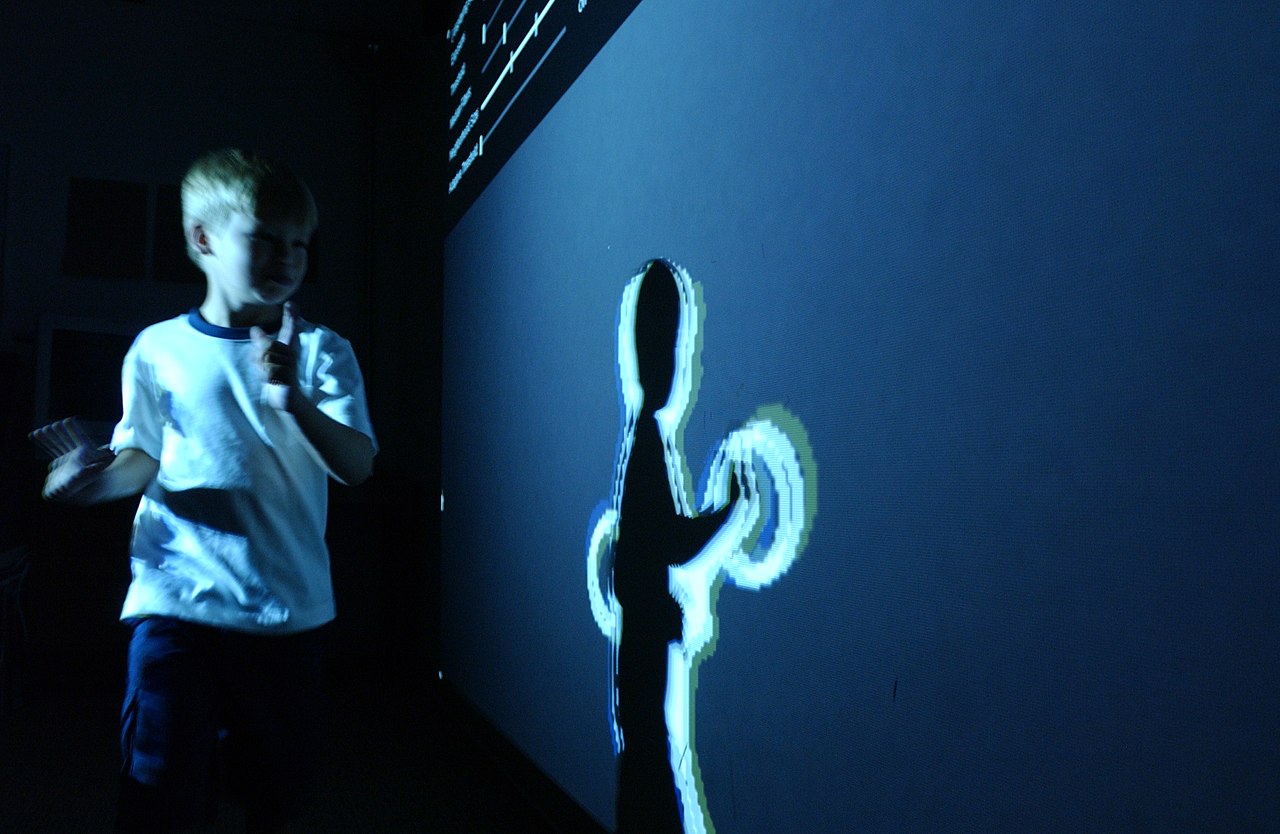
Gesture recognition is a subdiscipline of Computer Vision that employs mathematical algorithms to interpret human gestures. This technology has the potential to revolutionize the way we interact with computers and other devices. With the help of Machine Learning and Deep Learning, gesture recognition systems can be trained to recognize and interpret a wide range of gestures. The history of gesture recognition dates back to the 1960s, when the first Gesture Recognition Systems were developed. Since then, the field has evolved significantly, with the development of new algorithms and techniques such as Hidden Markov Models and Convolutional Neural Networks.
💻 History of Gesture Recognition
The history of gesture recognition is closely tied to the development of Computer Vision and Machine Learning. In the early days, gesture recognition systems were limited to simple gestures such as pointing and clicking. However, with the advancement of technology, gesture recognition systems can now recognize and interpret complex gestures such as Hand Gestures and Body Language. The development of gesture recognition systems has been influenced by various fields such as Psychology, Anthropology, and Sociology. Researchers such as Paul Ekman and Ray Birdwhistell have made significant contributions to the field of gesture recognition.
📊 Machine Learning in Gesture Recognition
Machine learning plays a crucial role in gesture recognition, as it enables systems to learn and improve from experience. Supervised Learning and Unsupervised Learning are two common approaches used in gesture recognition. Supervised learning involves training the system on labeled data, while unsupervised learning involves training the system on unlabeled data. Reinforcement Learning is another approach that is being explored in gesture recognition. Researchers such as Andrew Ng and Yann LeCun have made significant contributions to the field of machine learning and gesture recognition.
👀 Computer Vision and Gesture Recognition
Computer vision is a critical component of gesture recognition, as it enables systems to capture and process visual data. Image Processing and Object Detection are two common techniques used in computer vision. Facial Recognition and Gesture Recognition are two applications of computer vision that have gained significant attention in recent years. Researchers such as David Forsyth and Jeffrey Ullman have made significant contributions to the field of computer vision and gesture recognition.
📈 Applications of Gesture Recognition
Gesture recognition has a wide range of applications, including Gaming, Virtual Reality, and Healthcare. In gaming, gesture recognition can be used to create more immersive and interactive experiences. In virtual reality, gesture recognition can be used to create more realistic and interactive environments. In healthcare, gesture recognition can be used to monitor and analyze patient behavior. Companies such as Microsoft and Google are actively exploring the applications of gesture recognition in various fields.
🤖 Gesture Recognition in Robotics
Gesture recognition is also being explored in robotics, where it can be used to create more interactive and human-like robots. Human-Robot Interaction is a field that focuses on the development of robots that can interact with humans in a more natural and intuitive way. Researchers such as Cynthia Breazeal and Brian Scassellati have made significant contributions to the field of human-robot interaction and gesture recognition.
📊 Challenges in Gesture Recognition
Despite the advancements in gesture recognition, there are still several challenges that need to be addressed. Noise Reduction and Gesture Segmentation are two common challenges that are being addressed by researchers. Machine Learning Bias is another challenge that needs to be addressed, as it can have significant implications for the accuracy and fairness of gesture recognition systems. Researchers such as Fei-Fei Li and Joshua Bengio have made significant contributions to the field of machine learning and gesture recognition.
🔮 Future of Gesture Recognition
The future of gesture recognition is exciting and uncertain. With the advancement of technology, gesture recognition systems are becoming more accurate and reliable. Augmented Reality and Mixed Reality are two fields that are being explored in conjunction with gesture recognition. Companies such as Apple and Facebook are actively exploring the applications of gesture recognition in various fields. Researchers such as Demis Hassabis and David Silver have made significant contributions to the field of artificial intelligence and gesture recognition.
📈 Market Trends and Opportunities
The market trends and opportunities in gesture recognition are significant. Market Size and Growth Rate are two common metrics that are used to evaluate the market trends and opportunities in gesture recognition. Venture Capital and Private Equity are two common sources of funding for companies that are working on gesture recognition. Researchers such as Mary Meeker and Benedict Evans have made significant contributions to the field of market research and analysis.
👥 Ethical Considerations in Gesture Recognition
Ethical considerations are critical in gesture recognition, as they can have significant implications for the accuracy and fairness of gesture recognition systems. Bias Detection and Fairness Evaluation are two common techniques that are used to evaluate the ethics of gesture recognition systems. Researchers such as Kate Crawford and Ryan Calo have made significant contributions to the field of ethics and gesture recognition.
📊 Controversies and Debates in Gesture Recognition
Controversies and debates are common in gesture recognition, as they can have significant implications for the accuracy and fairness of gesture recognition systems. Facial Recognition Controversy and Gesture Recognition Controversy are two common debates that are being addressed by researchers and policymakers. Researchers such as Sherry Turkle and Jaron Lanier have made significant contributions to the field of controversy and debate in gesture recognition.
Key Facts
- Year
- 2020
- Origin
- MIT, 1980s
- Category
- Artificial Intelligence
- Type
- Technology
Frequently Asked Questions
What is gesture recognition?
Gesture recognition is a subdiscipline of computer vision that employs mathematical algorithms to interpret human gestures. It has the potential to revolutionize the way we interact with computers and other devices. Gesture recognition systems can be trained to recognize and interpret a wide range of gestures, from simple gestures such as pointing and clicking to complex gestures such as hand gestures and body language.
What are the applications of gesture recognition?
Gesture recognition has a wide range of applications, including gaming, virtual reality, and healthcare. In gaming, gesture recognition can be used to create more immersive and interactive experiences. In virtual reality, gesture recognition can be used to create more realistic and interactive environments. In healthcare, gesture recognition can be used to monitor and analyze patient behavior.
What are the challenges in gesture recognition?
Despite the advancements in gesture recognition, there are still several challenges that need to be addressed. Noise reduction and gesture segmentation are two common challenges that are being addressed by researchers. Machine learning bias is another challenge that needs to be addressed, as it can have significant implications for the accuracy and fairness of gesture recognition systems.
What is the future of gesture recognition?
The future of gesture recognition is exciting and uncertain. With the advancement of technology, gesture recognition systems are becoming more accurate and reliable. Augmented reality and mixed reality are two fields that are being explored in conjunction with gesture recognition. Companies such as Apple and Facebook are actively exploring the applications of gesture recognition in various fields.
What are the ethical considerations in gesture recognition?
Ethical considerations are critical in gesture recognition, as they can have significant implications for the accuracy and fairness of gesture recognition systems. Bias detection and fairness evaluation are two common techniques that are used to evaluate the ethics of gesture recognition systems. Researchers such as Kate Crawford and Ryan Calo have made significant contributions to the field of ethics and gesture recognition.
What are the controversies and debates in gesture recognition?
Controversies and debates are common in gesture recognition, as they can have significant implications for the accuracy and fairness of gesture recognition systems. Facial recognition controversy and gesture recognition controversy are two common debates that are being addressed by researchers and policymakers. Researchers such as Sherry Turkle and Jaron Lanier have made significant contributions to the field of controversy and debate in gesture recognition.
How does gesture recognition work?
Gesture recognition works by using mathematical algorithms to interpret human gestures. The process involves capturing and processing visual data, which is then used to train machine learning models to recognize and interpret gestures. The models can be trained on a wide range of data, including images and videos of people performing different gestures.