
Contents
- 🎵 Origins & History
- ⚙️ How It Works
- 📊 Key Facts & Numbers
- 👥 Key People & Organizations
- 🌍 Cultural Impact & Influence
- ⚡ Current State & Latest Developments
- 🤔 Controversies & Debates
- 🔮 Future Outlook & Predictions
- 💡 Practical Applications
- 📚 Related Topics & Deeper Reading
- Frequently Asked Questions
- Related Topics
Overview
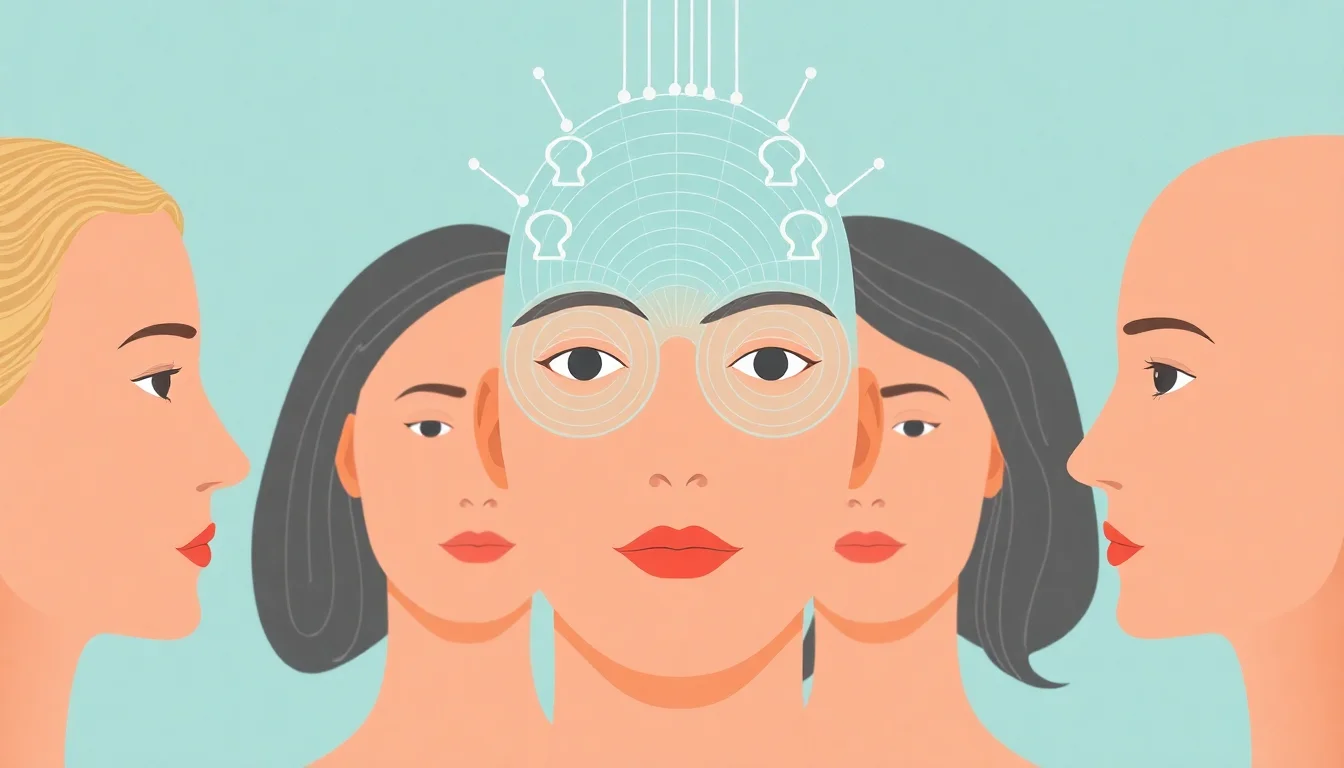
Facial recognition is a rapidly evolving technology that enables the identification of individuals by their unique facial characteristics. With a global market projected to reach $10.1 billion by 2025, facial recognition is being adopted in various sectors, including law enforcement, security, and consumer electronics. However, its use has also sparked intense debates about privacy, bias, and surveillance. As companies like Amazon, Google, and Facebook continue to develop and deploy facial recognition systems, concerns about data protection and potential misuse have grown. According to a study by MIT, facial recognition systems can have an error rate of up to 34.7% when identifying darker-skinned females, highlighting the need for more diverse and inclusive training data. As the technology advances, it is essential to address these challenges and ensure that facial recognition is used responsibly and with transparency.
🎵 Origins & History
The concept of facial recognition dates back to the 1960s, when the first face recognition system was developed by Woodrow Wilson Hogan. However, it wasn't until the 1990s that facial recognition technology began to gain traction, with the development of the Face Recognition Grand Challenge by the National Institute of Standards and Technology. Today, facial recognition is used in various applications, including Apple Face ID and [[google-cloud-vision|Google Cloud Vision].
⚙️ How It Works
Facial recognition systems typically involve a combination of computer vision and machine learning algorithms to identify and verify individuals. The process begins with face detection, where the system locates the face within an image or video. This is followed by face alignment, where the system adjusts the face to a standard position and size. The next step is feature extraction, where the system extracts unique facial features, such as the distance between the eyes or the shape of the nose. Finally, the system uses a machine learning algorithm to compare the extracted features to a database of known faces and identify the individual. Companies like Microsoft and IBM are continuously improving their facial recognition systems, with Microsoft Azure offering a cloud-based facial recognition API.
📊 Key Facts & Numbers
The global facial recognition market is projected to reach $10.1 billion by 2025, growing at a compound annual growth rate (CAGR) of 21.3%. The market is driven by increasing demand for security and surveillance systems, particularly in the government and law enforcement sectors. According to a report by MarketsandMarkets, the facial recognition market is expected to be dominated by the North America region, accounting for over 40% of the total market share. The report also highlights the growing importance of cloud computing in facial recognition, with Amazon Web Services and Google Cloud Platform offering cloud-based facial recognition services.
👥 Key People & Organizations
Key people in the development and deployment of facial recognition technology include Brad Smith, President of Microsoft, who has spoken out about the need for responsible AI development, and Jeff Bezos, Founder of Amazon, who has invested heavily in facial recognition technology through Amazon Rekognition. Organizations such as the Electronic Frontier Foundation and the American Civil Liberties Union have also played a crucial role in raising awareness about the potential risks and benefits of facial recognition technology.
🌍 Cultural Impact & Influence
Facial recognition has had a significant impact on popular culture, with films like Minority Report and The Circle exploring the potential consequences of widespread facial recognition. The technology has also been featured in various TV shows, including Black Mirror and Mr. Robot. However, the use of facial recognition has also raised concerns about privacy and surveillance, with many people expressing unease about the potential for governments and corporations to misuse the technology. According to a survey by Pew Research Center, 56% of Americans believe that facial recognition technology is a threat to their personal privacy.
⚡ Current State & Latest Developments
As of 2024, facial recognition technology is being used in various applications, including law enforcement, border control, and consumer electronics. For example, Apple's Face ID is used to unlock iPhones, while Google's Cloud Vision API is used to analyze images and videos. However, the use of facial recognition has also sparked intense debates about bias and accuracy, with some systems being criticized for their high error rates when identifying certain demographics. According to a report by BuzzFeed, the New York Police Department has been using facial recognition technology to identify suspects, but the system has been criticized for its lack of transparency and potential for bias.
🤔 Controversies & Debates
One of the most significant controversies surrounding facial recognition is the potential for bias and discrimination. Studies have shown that some facial recognition systems can have higher error rates when identifying certain demographics, such as darker-skinned females. This has raised concerns about the potential for facial recognition to perpetuate existing social inequalities. For example, the ACLU has criticized the use of facial recognition in law enforcement, arguing that it can lead to wrongful arrests and perpetuate racial profiling. According to a report by ProPublica, the Chicago Police Department has been using facial recognition technology to identify suspects, but the system has been criticized for its lack of transparency and potential for bias.
🔮 Future Outlook & Predictions
Looking to the future, facial recognition technology is expected to continue to evolve and improve, with advances in machine learning and computer vision enabling more accurate and efficient identification. However, it is essential to address the challenges and concerns surrounding facial recognition, including bias, privacy, and surveillance. According to a report by Gartner, the facial recognition market is expected to reach $10.1 billion by 2025, with the majority of the growth coming from the Asia Pacific region. As the technology advances, it is crucial to ensure that facial recognition is used responsibly and with transparency, and that the benefits of the technology are shared by all.
💡 Practical Applications
Facial recognition has various practical applications, including security and surveillance, border control, and consumer electronics. For example, Facebook uses facial recognition to identify and tag individuals in photos, while Amazon uses facial recognition to provide personalized recommendations. However, the use of facial recognition also raises concerns about data protection and potential misuse. According to a report by Forrester, the facial recognition market is expected to grow significantly in the next few years, with the majority of the growth coming from the enterprise sector.
Key Facts
- Year
- 2024
- Origin
- Global
- Category
- technology
- Type
- technology
Frequently Asked Questions
What is facial recognition?
Facial recognition is a technology that enables the identification of individuals by their unique facial characteristics. It is used in various applications, including security and surveillance, border control, and consumer electronics. According to a report by IBM, facial recognition can be used to improve security and efficiency in various industries, including healthcare and finance.
How does facial recognition work?
Facial recognition systems typically involve a combination of computer vision and machine learning algorithms to identify and verify individuals. The process begins with face detection, where the system locates the face within an image or video. This is followed by face alignment, where the system adjusts the face to a standard position and size. The next step is feature extraction, where the system extracts unique facial features, such as the distance between the eyes or the shape of the nose. Finally, the system uses a machine learning algorithm to compare the extracted features to a database of known faces and identify the individual. Companies like Google and Amazon are continuously improving their facial recognition systems, with Google Cloud Vision offering a cloud-based facial recognition API.
What are the benefits of facial recognition?
The benefits of facial recognition include improved security and efficiency, particularly in applications such as border control and law enforcement. Facial recognition can also be used to provide personalized recommendations and improve customer experience. According to a report by Forrester, the facial recognition market is expected to grow significantly in the next few years, with the majority of the growth coming from the enterprise sector. However, the use of facial recognition also raises concerns about data protection and potential misuse.
What are the concerns surrounding facial recognition?
The concerns surrounding facial recognition include the potential for bias and discrimination, as well as the balance between security and individual privacy. There are also concerns about the potential for facial recognition to be used in conjunction with other biometric technologies, such as fingerprint recognition and iris scanning. According to a report by Pew Research Center, 56% of Americans believe that facial recognition technology is a threat to their personal privacy.
How can facial recognition be used responsibly?
Facial recognition can be used responsibly by ensuring that the technology is transparent, accurate, and fair. This includes providing clear information about how the technology is being used, as well as ensuring that the system is regularly audited and updated to prevent bias and discrimination. According to a report by Gartner, the facial recognition market is expected to reach $10.1 billion by 2025, with the majority of the growth coming from the Asia Pacific region. As the technology advances, it is crucial to ensure that facial recognition is used responsibly and with transparency, and that the benefits of the technology are shared by all.
What is the future of facial recognition?
The future of facial recognition is expected to be shaped by advances in machine learning and computer vision, as well as growing demand for security and surveillance systems. According to a report by IDC, the biometrics market is expected to reach $15.1 billion by 2025, with the majority of the growth coming from the government sector. As the technology advances, it is essential to address the challenges and concerns surrounding facial recognition, including bias, privacy, and surveillance.
How can facial recognition be used in various industries?
Facial recognition can be used in various industries, including healthcare, finance, and education. For example, facial recognition can be used to improve security and efficiency in hospitals, or to provide personalized recommendations in finance. According to a report by Forrester, the facial recognition market is expected to grow significantly in the next few years, with the majority of the growth coming from the enterprise sector.