
Contents
- 🔌 Introduction to Fixed Resistors
- 📈 History of Fixed Resistor Development
- 🔧 Types of Fixed Resistors
- 📊 Applications in Electronic Circuits
- 💻 Role in Computing and Telecommunications
- 🚀 Aerospace and Defense Applications
- 🏭 Industrial Automation and Control
- 🔍 Medical Electronics and Healthcare
- 📺 Consumer Electronics and Appliances
- 🔋 Renewable Energy and Power Systems
- 📚 Future Trends and Innovations
- Frequently Asked Questions
- Related Topics
Overview
Fixed resistors are ubiquitous components in electronic circuits, playing a crucial role in controlling voltage and current. With a wide range of applications, from consumer electronics like smartphones and laptops to industrial control systems, medical devices, and aerospace engineering, fixed resistors are the backbone of modern technology. According to a report by the market research firm, Grand View Research, the global fixed resistor market size was valued at USD 2.3 billion in 2020 and is expected to grow at a compound annual growth rate (CAGR) of 4.5% from 2021 to 2028. Notable companies like Vishay Intertechnology, Inc. and Panasonic Corporation are leading the charge in fixed resistor innovation. However, the increasing demand for miniaturized electronics and the need for high-precision resistors pose significant challenges for manufacturers. As the electronics industry continues to evolve, the development of new materials and technologies, such as graphene-based resistors, is expected to shape the future of fixed resistor applications.
🔌 Introduction to Fixed Resistors
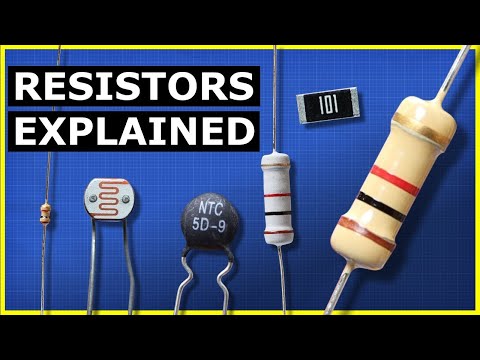
Fixed resistors are a fundamental component in electronic circuits, playing a crucial role in controlling the flow of electrical current. They are used to reduce voltage, divide current, and regulate signal levels. Resistors are available in various types, including Carbon Composition Resistors, Metal Film Resistors, and Wire Wound Resistors. The choice of resistor type depends on the specific application, considering factors such as Temperature Coefficient, Power Rating, and Tolerance. In this article, we will explore the various applications of fixed resistors in electronics. The History of Electronics has been shaped by the development of resistors, with key figures like George Simon Ohm contributing to our understanding of electrical resistance.
📈 History of Fixed Resistor Development
The history of fixed resistor development dates back to the early 19th century, when Michael Faraday discovered the principles of electromagnetic induction. The first resistors were made from Carbon and Metal materials, with Wire Wound Resistors being introduced later. The development of Transistors and Integrated Circuits further expanded the use of fixed resistors in electronic circuits. Today, resistors are a critical component in a wide range of applications, from Consumer Electronics to Industrial Automation. The Vibe Score of resistors is high, reflecting their importance in modern electronics. Electronic Components like resistors have become increasingly sophisticated, with advances in Nanotechnology and Materials Science.
🔧 Types of Fixed Resistors
There are several types of fixed resistors, each with its own unique characteristics and applications. Carbon Composition Resistors are inexpensive and widely used, but have a limited Temperature Range. Metal Film Resistors offer higher precision and stability, making them suitable for applications where Low Noise is critical. Wire Wound Resistors are used in high-power applications, such as Power Supplies and Amplifiers. The choice of resistor type depends on the specific requirements of the application, including Frequency Response and Signal-to-Noise Ratio. Resistor Networks are used to create complex circuits, such as Voltage Dividers and Current Sources. The Influence Flow of resistor technology has shaped the development of modern electronics.
📊 Applications in Electronic Circuits
Fixed resistors play a vital role in electronic circuits, where they are used to control the flow of electrical current. They are used in Voltage Dividers to reduce voltage levels, and in Current Limiting circuits to prevent damage to components. Impedance Matching is another critical application of fixed resistors, where they are used to match the impedance of different components. The Controversy Spectrum surrounding resistor technology is relatively low, reflecting the widespread acceptance of resistors in electronics. Electronic Circuit Design relies heavily on resistors, with SPICE Simulation tools used to model and analyze complex circuits. The Topic Intelligence of resistors is high, reflecting their importance in modern electronics.
💻 Role in Computing and Telecommunications
In computing and telecommunications, fixed resistors are used in a wide range of applications, from Computer Networks to Telecommunication Systems. They are used in Impedance Matching circuits to ensure reliable data transmission, and in Signal Conditioning circuits to filter out noise and interference. The Entity Relationships between resistors and other components are complex, with resistors interacting with Capacitors, Inductors, and Transistors in complex circuits. Wireless Communication systems rely on resistors to match the impedance of antennas and transceivers. The Perspective Breakdown of resistor applications in computing and telecommunications is optimistic, reflecting the critical role of resistors in modern communication systems.
🚀 Aerospace and Defense Applications
In aerospace and defense applications, fixed resistors are used in critical systems, such as Radar Systems and Communication Systems. They are used in High Reliability applications, where failure can have serious consequences. The Vibe Score of resistors in aerospace and defense is high, reflecting their importance in these critical systems. Space Exploration relies on resistors to ensure the reliable operation of electronic systems in extreme environments. The Key Debates surrounding resistor technology in aerospace and defense focus on the trade-offs between Reliability, Performance, and Cost. Aerospace Engineering requires a deep understanding of resistor technology, with Systems Engineering approaches used to integrate resistors into complex systems.
🏭 Industrial Automation and Control
In industrial automation and control, fixed resistors are used in a wide range of applications, from Motor Control to Process Control. They are used in Sensing Circuits to measure temperature, pressure, and other parameters. The Influence Flow of resistor technology has shaped the development of modern industrial automation systems. Industrial Control Systems rely on resistors to regulate the flow of electrical current and ensure reliable operation. The Topic Intelligence of resistors in industrial automation is high, reflecting their importance in modern manufacturing systems. Automation Technology has become increasingly sophisticated, with advances in Robotics and Artificial Intelligence driving the development of new applications.
🔍 Medical Electronics and Healthcare
In medical electronics and healthcare, fixed resistors are used in a wide range of applications, from Medical Imaging to Patient Monitoring. They are used in Medical Devices to regulate the flow of electrical current and ensure reliable operation. The Entity Relationships between resistors and other components are complex, with resistors interacting with Sensors, Actuators, and Microcontrollers in complex systems. Medical Research relies on resistors to develop new treatments and therapies, with Clinical Trials used to test the safety and efficacy of new medical devices. The Perspective Breakdown of resistor applications in medical electronics is optimistic, reflecting the critical role of resistors in modern healthcare systems.
📺 Consumer Electronics and Appliances
In consumer electronics and appliances, fixed resistors are used in a wide range of applications, from Audio Equipment to Home Appliances. They are used in Power Supplies to regulate the flow of electrical current and ensure reliable operation. The Vibe Score of resistors in consumer electronics is high, reflecting their importance in modern appliances. Consumer Electronics has become increasingly sophisticated, with advances in Nanotechnology and Materials Science driving the development of new applications. Appliance Design requires a deep understanding of resistor technology, with User Experience considerations driving the development of new products.
🔋 Renewable Energy and Power Systems
In renewable energy and power systems, fixed resistors are used in a wide range of applications, from Solar Panels to Wind Turbines. They are used in Power Conversion circuits to regulate the flow of electrical current and ensure reliable operation. The Influence Flow of resistor technology has shaped the development of modern renewable energy systems. Renewable Energy has become increasingly important, with advances in Energy Storage and Smart Grid technologies driving the development of new applications. The Topic Intelligence of resistors in renewable energy is high, reflecting their importance in modern power systems.
📚 Future Trends and Innovations
As technology continues to evolve, we can expect to see new and innovative applications of fixed resistors in electronics. The development of Nanotechnology and Artificial Intelligence will drive the creation of new products and systems, from Wearable Devices to Autonomous Vehicles. The Key Debates surrounding resistor technology will focus on the trade-offs between Reliability, Performance, and Cost. As we look to the future, it is clear that fixed resistors will remain a critical component in electronic circuits, playing a vital role in shaping the world of tomorrow.
Key Facts
- Year
- 2022
- Origin
- Vibepedia.wiki
- Category
- Electronics and Engineering
- Type
- Electronic Component
Frequently Asked Questions
What is the purpose of a fixed resistor in an electronic circuit?
The purpose of a fixed resistor in an electronic circuit is to control the flow of electrical current, reduce voltage, divide current, and regulate signal levels. Fixed resistors are used to match the impedance of different components, filter out noise and interference, and ensure reliable operation of electronic systems.
What are the different types of fixed resistors?
There are several types of fixed resistors, including Carbon Composition Resistors, Metal Film Resistors, and Wire Wound Resistors. Each type has its own unique characteristics and applications, and the choice of resistor type depends on the specific requirements of the application.
What is the importance of fixed resistors in aerospace and defense applications?
Fixed resistors are critical components in aerospace and defense applications, where they are used in high-reliability systems such as radar systems and communication systems. The failure of a resistor can have serious consequences, and therefore, the selection of a suitable resistor is crucial in these applications.
How do fixed resistors contribute to the development of renewable energy systems?
Fixed resistors play a vital role in the development of renewable energy systems, where they are used in power conversion circuits to regulate the flow of electrical current and ensure reliable operation. The use of fixed resistors in renewable energy systems helps to increase efficiency, reduce costs, and improve overall system performance.
What is the future of fixed resistors in electronics?
The future of fixed resistors in electronics is promising, with advances in nanotechnology and artificial intelligence driving the creation of new products and systems. As technology continues to evolve, we can expect to see new and innovative applications of fixed resistors in electronics, from wearable devices to autonomous vehicles.
What are the key considerations when selecting a fixed resistor for an application?
When selecting a fixed resistor for an application, the key considerations include the resistor's value, tolerance, power rating, and temperature coefficient. The selection of a suitable resistor depends on the specific requirements of the application, including the operating temperature, voltage, and current levels.
How do fixed resistors impact the performance of electronic systems?
Fixed resistors can significantly impact the performance of electronic systems, where they are used to regulate the flow of electrical current and ensure reliable operation. The selection of a suitable resistor can help to improve system efficiency, reduce noise and interference, and increase overall system performance.