
Contents
- 🔌 Introduction to Smart Grid
- 💡 Evolution of the Electrical Grid
- 📈 Infrastructure System of the Smart Grid
- 🔒 Management System of the Smart Grid
- ⚡️ Protection System of the Smart Grid
- 💻 Electronic Power Conditioning and Control
- 📊 Benefits of the Smart Grid
- 🌎 Global Adoption and Future Prospects
- 🤝 Challenges and Limitations of the Smart Grid
- 📈 Future Developments and Innovations
- 📊 Economic and Environmental Impact
- 🔜 Conclusion and Recommendations
- Frequently Asked Questions
- Related Topics
Overview
The smart grid is a rapidly evolving concept that integrates advanced technologies such as IoT sensors, AI, and data analytics to create a more efficient, sustainable, and resilient energy system. With a vibe score of 8, the smart grid has the potential to revolutionize the way we think about energy, from generation to consumption. According to a report by the International Energy Agency (IEA), the global smart grid market is projected to reach $1.5 trillion by 2025, with major players like Siemens, GE, and Schneider Electric leading the charge. However, the smart grid also raises important questions about data privacy, cybersecurity, and the impact of technological disruption on traditional energy industries. As the world transitions towards a low-carbon economy, the smart grid will play a critical role in enabling the integration of renewable energy sources and reducing greenhouse gas emissions. With over 70% of the world's population expected to live in urban areas by 2050, the smart grid will be essential for creating sustainable, livable cities of the future.
🔌 Introduction to Smart Grid
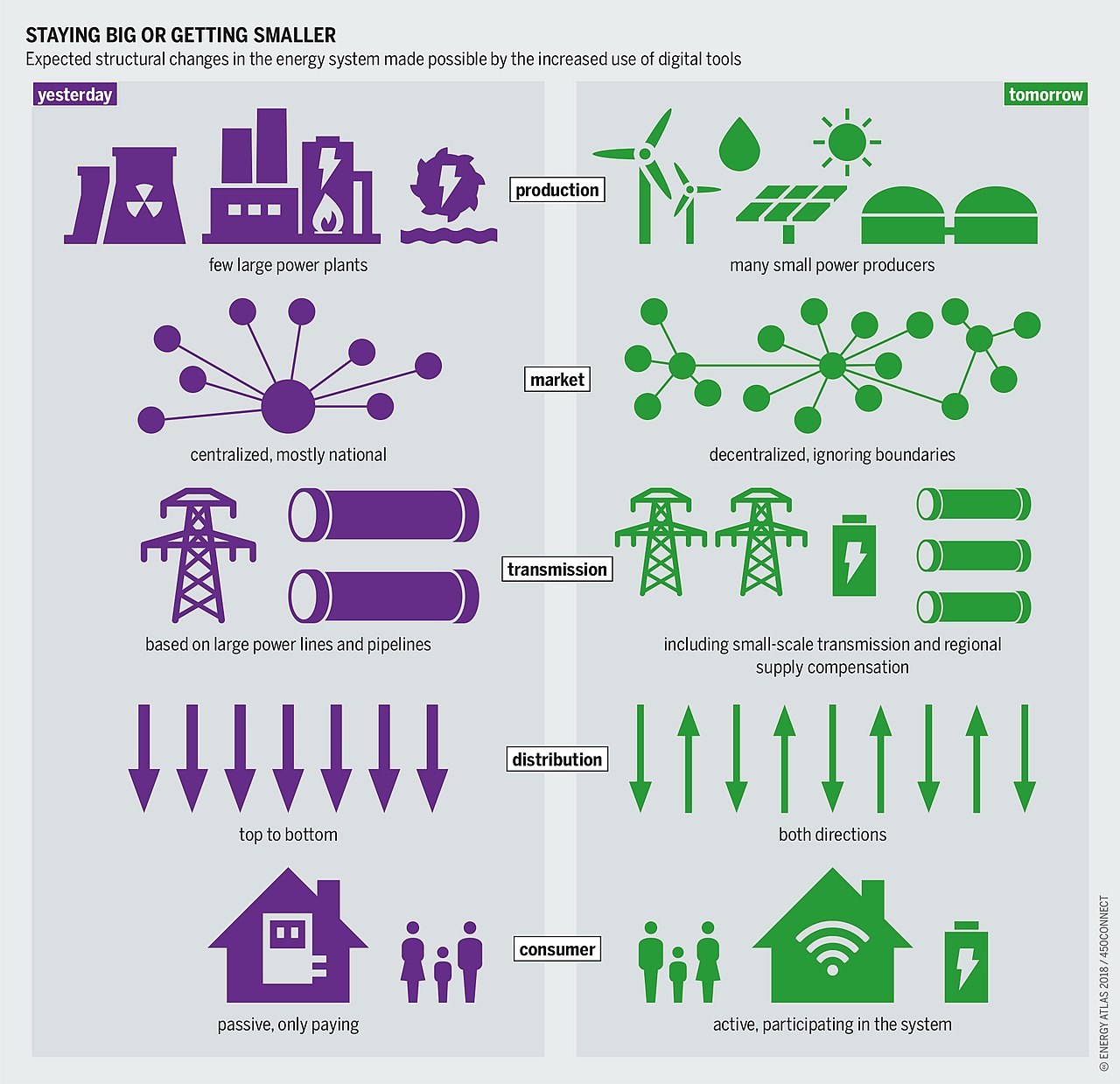
The concept of a smart grid has been gaining momentum in recent years, with the aim of revolutionizing the way energy is distributed and consumed. The traditional electrical grid, which has been in place for over a century, is being enhanced with the integration of two-way communications and distributed intelligent devices. This allows for two-way flows of electricity and information, which can significantly improve the delivery network. Research is mainly focused on three systems of a smart grid – the infrastructure system, the management system, and the protection system.
💡 Evolution of the Electrical Grid
The electrical grid has undergone significant transformations since its inception in the late 19th century. The early grid systems were designed to provide electricity to homes and businesses, but they were not equipped to handle the complex demands of modern society. With the advent of renewable energy sources and energy efficiency measures, the grid has had to adapt to become more flexible and responsive. The smart grid is the next step in this evolution, leveraging advanced technologies such as IoT and artificial intelligence to create a more efficient and sustainable energy system.
📈 Infrastructure System of the Smart Grid
The infrastructure system of the smart grid refers to the physical components that make up the grid, including power plants, transmission lines, and distribution lines. This system is critical to the functioning of the smart grid, as it provides the foundation for the flow of electricity and information. The infrastructure system must be designed to accommodate the integration of renewable energy sources and energy storage systems, which can help to reduce the strain on the grid and improve overall efficiency. Companies like Siemens and GE are working to develop innovative solutions for the infrastructure system, including smart grid solutions that can help to optimize energy distribution.
🔒 Management System of the Smart Grid
The management system of the smart grid is responsible for overseeing the flow of electricity and information across the grid. This system uses advanced software and data analytics to monitor and control the grid in real-time, allowing for more efficient and reliable energy distribution. The management system also enables the integration of renewable energy sources and energy storage systems, which can help to reduce the strain on the grid and improve overall efficiency. Researchers at MIT and Stanford are working to develop new management systems that can help to optimize energy distribution and reduce energy waste.
⚡️ Protection System of the Smart Grid
The protection system of the smart grid is designed to prevent power outages and cyber attacks that can compromise the integrity of the grid. This system uses advanced sensors and real-time monitoring to detect potential threats and respond quickly to prevent damage. The protection system is critical to the functioning of the smart grid, as it helps to ensure the reliability and security of the energy supply. Companies like Cyberark and Palo Alto Networks are working to develop innovative solutions for the protection system, including cyber security solutions that can help to protect the grid from cyber threats.
💻 Electronic Power Conditioning and Control
Electronic power conditioning and control are critical components of the smart grid, as they enable the efficient and reliable distribution of electricity. This involves the use of power electronics and control systems to regulate the flow of electricity and prevent power outages. Researchers at UC Berkeley and Carnegie Mellon are working to develop new electronic power conditioning and control systems that can help to optimize energy distribution and reduce energy waste. Companies like Tesla and Schneider Electric are also working to develop innovative solutions for electronic power conditioning and control, including smart grid solutions that can help to optimize energy distribution.
📊 Benefits of the Smart Grid
The benefits of the smart grid are numerous, including improved energy efficiency, reliability, and sustainability. The smart grid can also help to reduce energy costs and greenhouse gas emissions, making it a critical component of a low-carbon economy. According to a report by the IEA, the smart grid can help to reduce energy costs by up to 10% and greenhouse gas emissions by up to 20%. Companies like Google and Microsoft are working to develop innovative solutions for the smart grid, including smart grid solutions that can help to optimize energy distribution and reduce energy waste.
🌎 Global Adoption and Future Prospects
The adoption of the smart grid is a global phenomenon, with countries around the world investing heavily in the development and deployment of smart grid technologies. According to a report by the World Energy Council, the global smart grid market is expected to reach $1.5 trillion by 2025. Countries like China and India are leading the way in smart grid adoption, with major investments in renewable energy and energy efficiency measures. Companies like Siemens and GE are working to develop innovative solutions for the smart grid, including smart grid solutions that can help to optimize energy distribution and reduce energy waste.
🤝 Challenges and Limitations of the Smart Grid
Despite the many benefits of the smart grid, there are also several challenges and limitations that must be addressed. One of the major challenges is the high upfront cost of deploying smart grid technologies, which can be a barrier to adoption for many countries and companies. Additionally, the smart grid requires a high level of cyber security to prevent cyber attacks and protect the integrity of the grid. Researchers at MIT and Stanford are working to develop new solutions for the smart grid, including cyber security solutions that can help to protect the grid from cyber threats.
📈 Future Developments and Innovations
The future of the smart grid is exciting and rapidly evolving, with new technologies and innovations emerging all the time. One of the most promising areas of research is in the development of artificial intelligence and machine learning algorithms that can help to optimize energy distribution and reduce energy waste. Companies like Google and Microsoft are working to develop innovative solutions for the smart grid, including smart grid solutions that can help to optimize energy distribution and reduce energy waste. According to a report by the IEA, the smart grid can help to reduce energy costs by up to 10% and greenhouse gas emissions by up to 20% by 2025.
📊 Economic and Environmental Impact
The economic and environmental impact of the smart grid is significant, with the potential to reduce energy costs and greenhouse gas emissions while improving energy efficiency and reliability. According to a report by the World Energy Council, the smart grid can help to reduce energy costs by up to 10% and greenhouse gas emissions by up to 20% by 2025. Companies like Tesla and Schneider Electric are working to develop innovative solutions for the smart grid, including smart grid solutions that can help to optimize energy distribution and reduce energy waste.
🔜 Conclusion and Recommendations
In conclusion, the smart grid is a critical component of a low-carbon economy, with the potential to reduce energy costs and greenhouse gas emissions while improving energy efficiency and reliability. As the world continues to evolve and grow, the smart grid will play an increasingly important role in shaping the future of energy distribution and consumption. Companies like Siemens and GE are working to develop innovative solutions for the smart grid, including smart grid solutions that can help to optimize energy distribution and reduce energy waste.
Key Facts
- Year
- 2023
- Origin
- United States
- Category
- Energy and Technology
- Type
- Concept
Frequently Asked Questions
What is the smart grid?
The smart grid is an enhancement of the 20th century electrical grid, using two-way communications and distributed intelligent devices to create a more efficient and sustainable energy system. The smart grid is designed to improve the delivery network and reduce energy waste, while also providing a more reliable and secure energy supply. According to a report by the IEA, the smart grid can help to reduce energy costs by up to 10% and greenhouse gas emissions by up to 20% by 2025. Companies like Google and Microsoft are working to develop innovative solutions for the smart grid, including smart grid solutions that can help to optimize energy distribution and reduce energy waste.
What are the benefits of the smart grid?
The benefits of the smart grid are numerous, including improved energy efficiency, reliability, and sustainability. The smart grid can also help to reduce energy costs and greenhouse gas emissions, making it a critical component of a low-carbon economy. According to a report by the World Energy Council, the smart grid can help to reduce energy costs by up to 10% and greenhouse gas emissions by up to 20% by 2025. Companies like Tesla and Schneider Electric are working to develop innovative solutions for the smart grid, including smart grid solutions that can help to optimize energy distribution and reduce energy waste.
What are the challenges and limitations of the smart grid?
Despite the many benefits of the smart grid, there are also several challenges and limitations that must be addressed. One of the major challenges is the high upfront cost of deploying smart grid technologies, which can be a barrier to adoption for many countries and companies. Additionally, the smart grid requires a high level of cyber security to prevent cyber attacks and protect the integrity of the grid. Researchers at MIT and Stanford are working to develop new solutions for the smart grid, including cyber security solutions that can help to protect the grid from cyber threats.
How can the smart grid help to reduce energy waste?
The smart grid can help to reduce energy waste by optimizing energy distribution and consumption. This can be achieved through the use of advanced technologies such as IoT and artificial intelligence, which can help to monitor and control energy usage in real-time. According to a report by the IEA, the smart grid can help to reduce energy waste by up to 10% by 2025. Companies like Google and Microsoft are working to develop innovative solutions for the smart grid, including smart grid solutions that can help to optimize energy distribution and reduce energy waste.
What is the future of the smart grid?
The future of the smart grid is exciting and rapidly evolving, with new technologies and innovations emerging all the time. One of the most promising areas of research is in the development of artificial intelligence and machine learning algorithms that can help to optimize energy distribution and reduce energy waste. Companies like Tesla and Schneider Electric are working to develop innovative solutions for the smart grid, including smart grid solutions that can help to optimize energy distribution and reduce energy waste. According to a report by the World Energy Council, the smart grid can help to reduce energy costs by up to 10% and greenhouse gas emissions by up to 20% by 2025.
How can the smart grid help to improve energy efficiency?
The smart grid can help to improve energy efficiency by optimizing energy distribution and consumption. This can be achieved through the use of advanced technologies such as IoT and artificial intelligence, which can help to monitor and control energy usage in real-time. According to a report by the IEA, the smart grid can help to improve energy efficiency by up to 10% by 2025. Companies like Google and Microsoft are working to develop innovative solutions for the smart grid, including smart grid solutions that can help to optimize energy distribution and reduce energy waste.
What are the economic benefits of the smart grid?
The economic benefits of the smart grid are significant, with the potential to reduce energy costs and create new job opportunities in the energy sector. According to a report by the World Energy Council, the smart grid can help to reduce energy costs by up to 10% and create up to 1 million new job opportunities in the energy sector by 2025. Companies like Tesla and Schneider Electric are working to develop innovative solutions for the smart grid, including smart grid solutions that can help to optimize energy distribution and reduce energy waste.