
Contents
Overview
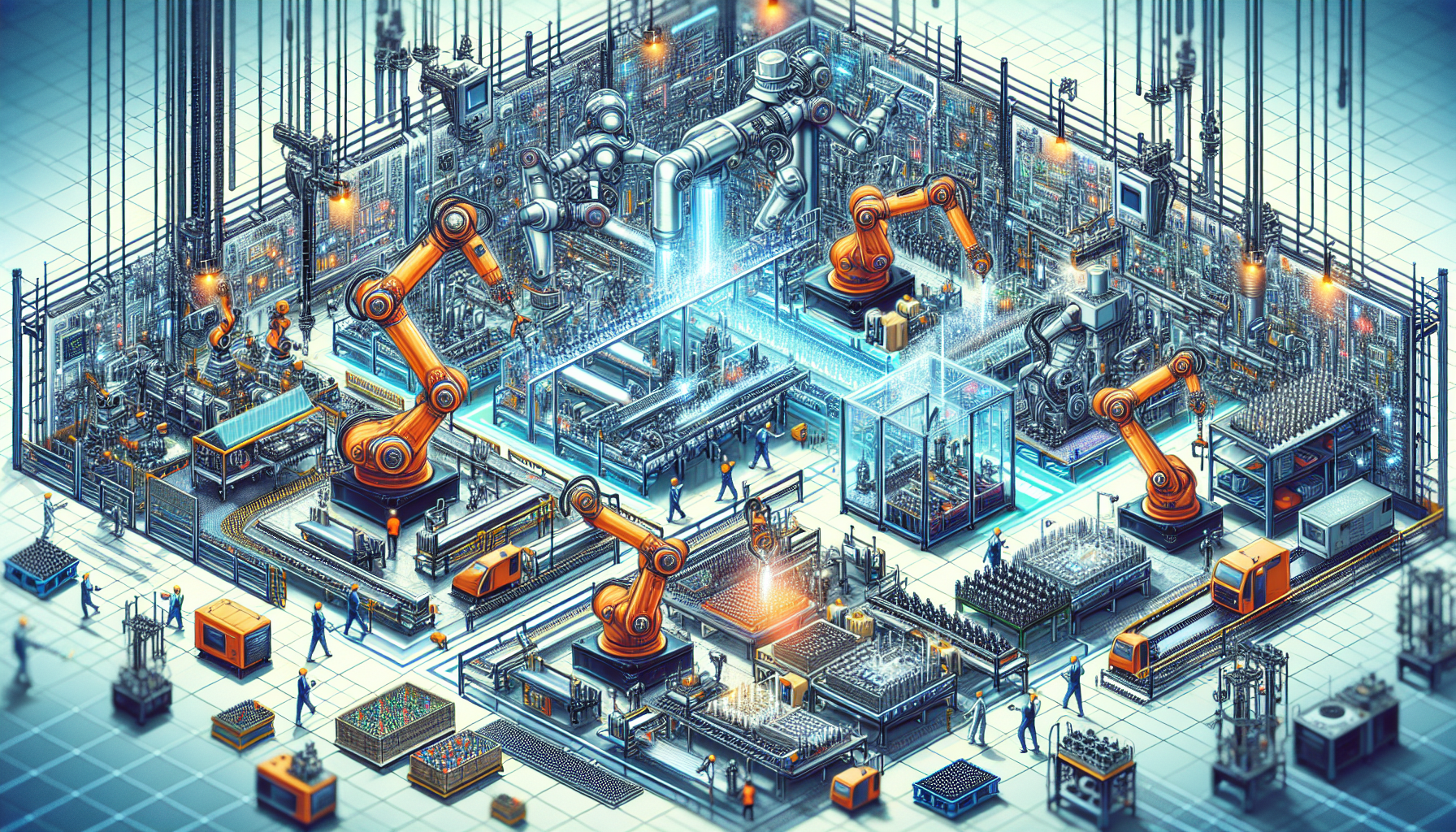
Industrial automation has its roots in the Industrial Revolution, when machines and factories first began to replace manual labor. Today, industrial automation is a rapidly evolving field, with new technologies like machine learning and computer vision being applied to improve the efficiency and productivity of industrial processes. Companies like General Electric and Cisco Systems are investing heavily in industrial automation, and the use of industrial automation is becoming increasingly widespread in industries such as automotive manufacturing, aerospace, and food processing. For example, the use of industrial robots like those made by KUKA and FANUC has become common in many manufacturing facilities, and the use of industrial automation systems like those made by Schneider Electric and Mitsubishi Electric is also on the rise.
💻 How Industrial Automation Works
Industrial automation systems typically consist of a combination of hardware and software components, including sensors, actuators, and control systems. These components work together to monitor and control industrial processes, and can be used to automate tasks such as assembly, inspection, and material handling. The use of industrial automation systems can help to improve the efficiency and productivity of industrial processes, and can also help to reduce costs and improve product quality. For example, the use of computer vision systems like those made by Cognex and Basler can help to improve the accuracy of inspection tasks, and the use of industrial robots like those made by ABB and Yaskawa can help to improve the efficiency of assembly tasks. Companies like Intel and Microsoft are also playing a key role in the development of industrial automation systems, with their technologies being used in a wide range of industrial automation applications.
🌎 Impact of Industrial Automation on Industry
The impact of industrial automation on industry has been significant, with many companies experiencing improvements in efficiency, productivity, and product quality. The use of industrial automation has also helped to reduce costs and improve safety, and has enabled companies to respond more quickly to changes in demand and other market conditions. For example, the use of industrial automation systems has helped companies like Tesla and Amazon to improve their manufacturing efficiency and responsiveness, and has enabled them to produce high-quality products at lower costs. The use of industrial automation has also helped to drive innovation in industries such as aerospace and automotive, with companies like Boeing and General Motors using industrial automation to develop new products and manufacturing processes. Additionally, the use of industrial automation has also been driven by the need for companies to comply with regulations and standards, such as those related to safety and environmental protection, with companies like 3M and DuPont using industrial automation to improve their compliance with these regulations.
🔮 Future of Industrial Automation
The future of industrial automation is likely to be shaped by a number of factors, including the increasing use of technologies like artificial intelligence and the Internet of Things. The use of these technologies is expected to enable the development of more advanced industrial automation systems, and is likely to drive innovation in industries such as manufacturing and logistics. For example, the use of AI and machine learning is expected to enable the development of more advanced predictive maintenance systems, and the use of IoT is expected to enable the development of more advanced supply chain management systems. Companies like Google and IBM are also investing heavily in the development of industrial automation technologies, and are likely to play a key role in shaping the future of the field. Additionally, the use of industrial automation is also expected to be driven by the need for companies to improve their sustainability and reduce their environmental impact, with companies like Siemens and ABB using industrial automation to develop more sustainable manufacturing processes.
Key Facts
- Year
- 2010-2020
- Origin
- Global
- Category
- technology
- Type
- concept
Frequently Asked Questions
What is industrial automation?
Industrial automation refers to the use of control systems, machines, and information technologies to improve the efficiency and productivity of industrial processes.
What are the benefits of industrial automation?
The benefits of industrial automation include improved efficiency, productivity, and product quality, as well as reduced costs and improved safety.
What are the challenges of industrial automation?
The challenges of industrial automation include the need for significant investment in new technologies and training, as well as the potential for job displacement and cybersecurity risks.
What is the future of industrial automation?
The future of industrial automation is likely to be shaped by the increasing use of technologies like artificial intelligence and the Internet of Things, and is expected to drive innovation in industries such as manufacturing and logistics.
What are some examples of industrial automation in use today?
Examples of industrial automation in use today include the use of robots and computer vision systems in manufacturing, as well as the use of industrial automation systems in industries such as aerospace and automotive.