
Contents
- 📊 Introduction to Economic Studies
- 📈 Understanding Microeconomics
- 🌎 Exploring Macroeconomics
- 💸 International Trade and Finance
- 📊 Economic Systems and Institutions
- 📚 History of Economic Thought
- 📊 Economic Development and Growth
- 🌟 Economic Policy and Governance
- 📊 Globalization and Economic Interdependence
- 📊 Contemporary Economic Issues
- 📊 Economic Research and Methodology
- 📊 Future of Economic Studies
- Frequently Asked Questions
- Related Topics
Overview
Economic studies encompass a broad range of disciplines, including microeconomics, macroeconomics, and international trade. The field is marked by ongoing debates between Keynesian and neoliberal economists, with the former emphasizing government intervention and the latter advocating for free market principles. Notable economists such as John Maynard Keynes and Milton Friedman have significantly influenced the development of economic thought. The global economy is increasingly interconnected, with events like the 2008 financial crisis highlighting the need for comprehensive economic studies. As the world navigates issues like income inequality, climate change, and technological disruption, the importance of economic studies in informing policy decisions cannot be overstated. With a Vibe score of 8, indicating a high level of cultural energy, economic studies continue to be a vital and dynamic field of research and analysis.
📊 Introduction to Economic Studies
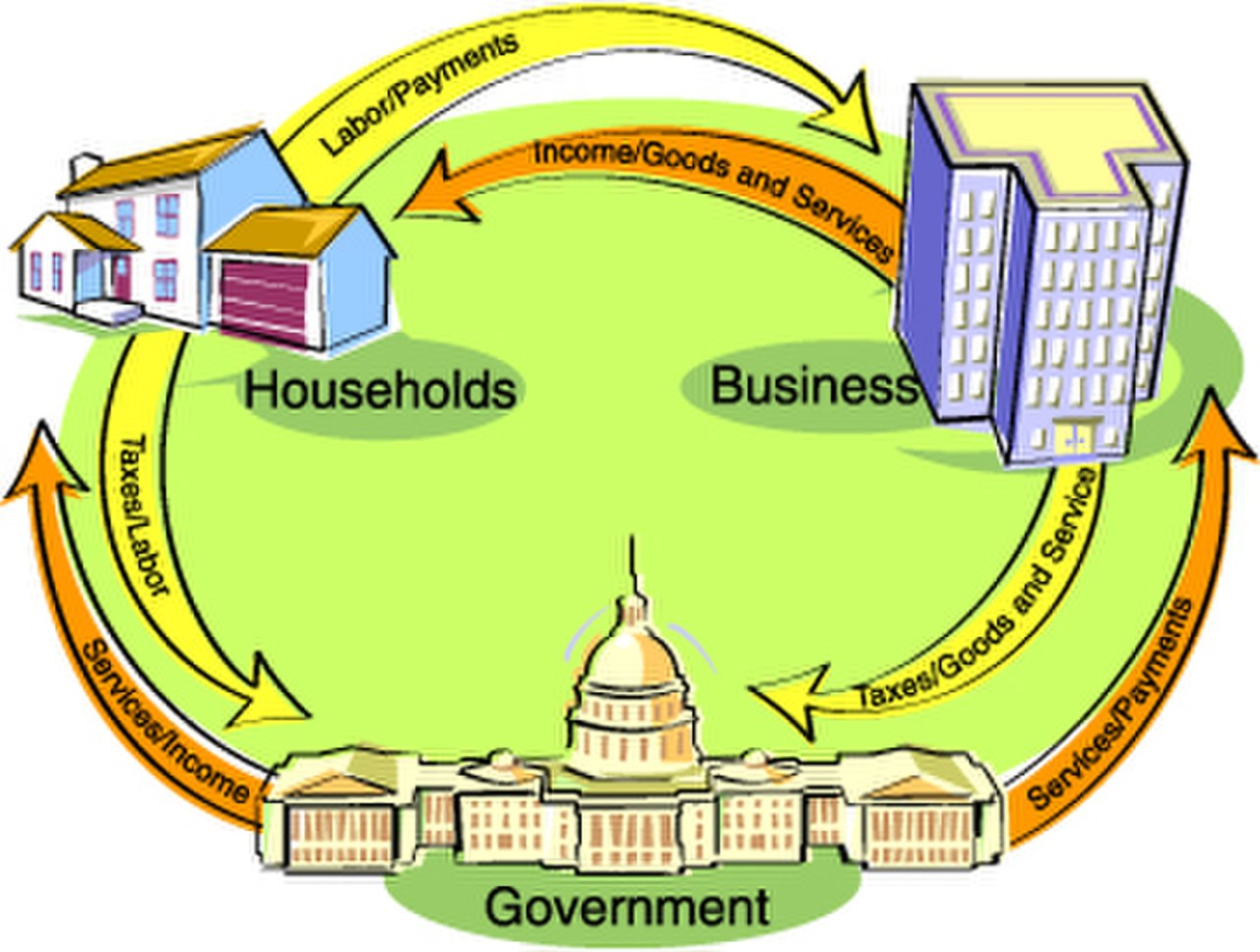
Economic studies is a vital component of the social sciences, as it seeks to understand the complex interactions between individuals, businesses, governments, and societies in the production, distribution, and consumption of goods and services. The field of economics is divided into two main branches: Microeconomics and Macroeconomics. Microeconomics focuses on the behavior and decision-making of individual economic units, such as households and firms, while macroeconomics examines the economy as a whole, including issues like inflation, unemployment, and economic growth. To better understand these concepts, it's essential to explore the History of Economic Thought and the contributions of influential economists like Adam Smith and Karl Marx.
📈 Understanding Microeconomics
Microeconomics is a fundamental aspect of economic studies, as it provides insights into the behavior of individual economic agents and the interactions between them. Key concepts in microeconomics include Supply and Demand, Opportunity Cost, and Comparative Advantage. By understanding these concepts, economists can analyze the efficiency of markets and the impact of government policies on economic outcomes. The study of microeconomics is closely related to Industrial Organization and Public Economics, which examine the structure and behavior of firms and the role of government in the economy. Furthermore, microeconomics is essential for understanding International Trade and the benefits of specialization and trade.
🌎 Exploring Macroeconomics
Macroeconomics, on the other hand, focuses on the aggregate performance of the economy, including issues like economic growth, inflation, and unemployment. Macroeconomists use a range of tools, including Gross Domestic Product (GDP) and the Consumer Price Index (CPI), to measure economic activity and understand the impact of monetary and fiscal policies. The study of macroeconomics is closely related to Monetary Policy and Fiscal Policy, which examine the role of central banks and governments in stabilizing the economy. Additionally, macroeconomics is essential for understanding Economic Development and the challenges faced by developing countries. To better understand these concepts, it's essential to explore the Economics of Development and the role of International Institutions like the World Bank and the International Monetary Fund.
💸 International Trade and Finance
International trade and finance are critical components of economic studies, as they examine the exchange of goods and services between countries and the flow of capital across borders. The study of international trade is closely related to Trade Theory and the Gains from Trade, which highlight the benefits of specialization and trade. Additionally, international finance is essential for understanding Exchange Rates and the Balance of Payments. To better understand these concepts, it's essential to explore the History of International Trade and the role of International Trade Institutions like the World Trade Organization. Furthermore, the study of international trade and finance is closely related to Globalization and the impact of global economic integration on economic outcomes.
📊 Economic Systems and Institutions
Economic systems and institutions are the framework within which economic activity takes place. The study of economic systems includes Capitalism, Socialism, and Mixed Economies, each with its strengths and weaknesses. Economic institutions, such as Central Banks and Stock Markets, play a crucial role in facilitating economic activity and stabilizing the economy. To better understand these concepts, it's essential to explore the Economics of Institutions and the role of Institutional Economics in shaping economic outcomes. Additionally, the study of economic systems and institutions is closely related to Public Policy and the impact of government policies on economic outcomes.
📚 History of Economic Thought
The history of economic thought is a rich and diverse field that spans centuries, from the early contributions of Ancient Greek Economists like Xenophon to the modern theories of Keynesian Economics and Monetarism. Understanding the development of economic thought is essential for appreciating the complexities of economic systems and the challenges of economic policy-making. The study of the history of economic thought is closely related to Economic Methodology and the role of Economic Theory in shaping our understanding of economic phenomena. Furthermore, the history of economic thought is essential for understanding the contributions of influential economists like John Maynard Keynes and Milton Friedman.
📊 Economic Development and Growth
Economic development and growth are critical components of economic studies, as they examine the process by which countries achieve economic prosperity and improve the well-being of their citizens. The study of economic development is closely related to Economic Growth Theory and the Role of Institutions in promoting economic development. Additionally, economic development is essential for understanding Poverty Reduction and the impact of economic policies on poverty outcomes. To better understand these concepts, it's essential to explore the Economics of Development and the role of International Aid in promoting economic development. Furthermore, the study of economic development is closely related to Sustainable Development and the impact of economic activity on the environment.
🌟 Economic Policy and Governance
Economic policy and governance are critical components of economic studies, as they examine the role of government in promoting economic stability and growth. The study of economic policy is closely related to Fiscal Policy and Monetary Policy, which examine the use of government spending and taxation to stabilize the economy. Additionally, economic governance is essential for understanding Regulatory Policy and the impact of government regulations on economic outcomes. To better understand these concepts, it's essential to explore the Economics of Governance and the role of Institutional Economics in shaping economic outcomes. Furthermore, the study of economic policy and governance is closely related to Public Administration and the impact of government policies on economic outcomes.
📊 Globalization and Economic Interdependence
Globalization and economic interdependence are critical components of economic studies, as they examine the increasing integration of economies around the world. The study of globalization is closely related to International Trade and the Gains from Trade, which highlight the benefits of specialization and trade. Additionally, economic interdependence is essential for understanding Exchange Rates and the Balance of Payments. To better understand these concepts, it's essential to explore the History of Globalization and the role of International Institutions like the World Trade Organization. Furthermore, the study of globalization is closely related to Economic Development and the challenges faced by developing countries.
📊 Contemporary Economic Issues
Contemporary economic issues are a critical component of economic studies, as they examine the challenges facing economies today. The study of contemporary economic issues is closely related to Economic Inequality and the impact of economic policies on income distribution. Additionally, contemporary economic issues are essential for understanding Climate Change and the impact of economic activity on the environment. To better understand these concepts, it's essential to explore the Economics of Climate Change and the role of Sustainable Development in promoting economic growth and environmental protection. Furthermore, the study of contemporary economic issues is closely related to Globalization and the impact of global economic integration on economic outcomes.
📊 Economic Research and Methodology
Economic research and methodology are critical components of economic studies, as they examine the tools and techniques used to analyze economic phenomena. The study of economic research is closely related to Econometrics and the Role of Data in economic analysis. Additionally, economic methodology is essential for understanding Economic Theory and the role of Economic Models in shaping our understanding of economic phenomena. To better understand these concepts, it's essential to explore the Economics of Research and the role of Academic Institutions in promoting economic research and education. Furthermore, the study of economic research and methodology is closely related to Policy Analysis and the impact of economic research on policy outcomes.
📊 Future of Economic Studies
The future of economic studies is a critical component of the field, as it examines the challenges and opportunities facing economists today. The study of the future of economic studies is closely related to Emerging Trends in economics, such as the Gig Economy and the Digital Economy. Additionally, the future of economic studies is essential for understanding Global Challenges, such as Climate Change and Economic Inequality. To better understand these concepts, it's essential to explore the Economics of the Future and the role of Economic Forecasting in shaping our understanding of future economic trends. Furthermore, the study of the future of economic studies is closely related to Policy Development and the impact of economic research on policy outcomes.
Key Facts
- Year
- 2022
- Origin
- Ancient Greece, with contributions from philosophers like Aristotle and Xenophon
- Category
- Social Sciences
- Type
- Academic Discipline
Frequently Asked Questions
What is the difference between microeconomics and macroeconomics?
Microeconomics focuses on the behavior and decision-making of individual economic units, such as households and firms, while macroeconomics examines the economy as a whole, including issues like inflation, unemployment, and economic growth. To better understand these concepts, it's essential to explore the History of Economic Thought and the contributions of influential economists like Adam Smith and Karl Marx. The study of microeconomics is closely related to Industrial Organization and Public Economics, which examine the structure and behavior of firms and the role of government in the economy.
What is the role of government in promoting economic stability and growth?
The government plays a crucial role in promoting economic stability and growth through the use of fiscal and monetary policies. Fiscal policy involves the use of government spending and taxation to stabilize the economy, while monetary policy involves the use of interest rates and the money supply to control inflation and promote economic growth. To better understand these concepts, it's essential to explore the Economics of Governance and the role of Institutional Economics in shaping economic outcomes. Furthermore, the study of economic policy is closely related to Public Administration and the impact of government policies on economic outcomes.
What is the impact of globalization on economic outcomes?
Globalization has had a significant impact on economic outcomes, including the creation of new jobs and opportunities for economic growth. However, it has also led to increased economic inequality and the displacement of certain industries. To better understand these concepts, it's essential to explore the History of Globalization and the role of International Institutions like the World Trade Organization. Furthermore, the study of globalization is closely related to Economic Development and the challenges faced by developing countries.
What is the role of economic research in shaping our understanding of economic phenomena?
Economic research plays a crucial role in shaping our understanding of economic phenomena, including the development of new economic theories and models. To better understand these concepts, it's essential to explore the Economics of Research and the role of Academic Institutions in promoting economic research and education. Furthermore, the study of economic research is closely related to Policy Analysis and the impact of economic research on policy outcomes.
What are the challenges facing economists today?
Economists today face a range of challenges, including the need to understand the impact of globalization and technological change on economic outcomes. To better understand these concepts, it's essential to explore the Economics of the Future and the role of Economic Forecasting in shaping our understanding of future economic trends. Furthermore, the study of the future of economic studies is closely related to Policy Development and the impact of economic research on policy outcomes.
What is the importance of economic studies in understanding contemporary economic issues?
Economic studies are essential for understanding contemporary economic issues, including economic inequality and climate change. To better understand these concepts, it's essential to explore the Economics of Climate Change and the role of Sustainable Development in promoting economic growth and environmental protection. Furthermore, the study of contemporary economic issues is closely related to Globalization and the impact of global economic integration on economic outcomes.
What is the role of institutions in shaping economic outcomes?
Institutions play a crucial role in shaping economic outcomes, including the development of economic systems and the promotion of economic growth. To better understand these concepts, it's essential to explore the Economics of Institutions and the role of Institutional Economics in shaping economic outcomes. Furthermore, the study of institutions is closely related to Public Policy and the impact of government policies on economic outcomes.