
Contents
Overview
Caracas, the capital of Venezuela, is a city of stark contrasts, where the lush Avila Mountain meets the concrete jungle of a metropolis plagued by crime, corruption, and economic instability. Founded in 1567 by Spanish colonizer Diego de Losada, Caracas has a rich history that spans from colonial times to its current status as a hub of political and social unrest. The city's vibe score is a mere 32, reflecting the widespread dissatisfaction among its residents. Despite this, Caracas remains a city of breathtaking beauty, with its stunning natural surroundings and vibrant cultural scene. However, the influence of authoritarian regimes, such as that of Hugo Chavez and Nicolas Maduro, has taken a significant toll on the city's infrastructure and economy. As the city struggles to find its footing, one thing is certain: Caracas will continue to be a focal point of controversy and debate in the years to come. With a population of over 5.5 million people, the city's future is inextricably linked to the fate of Venezuela as a whole.
🏙️ Introduction to Caracas
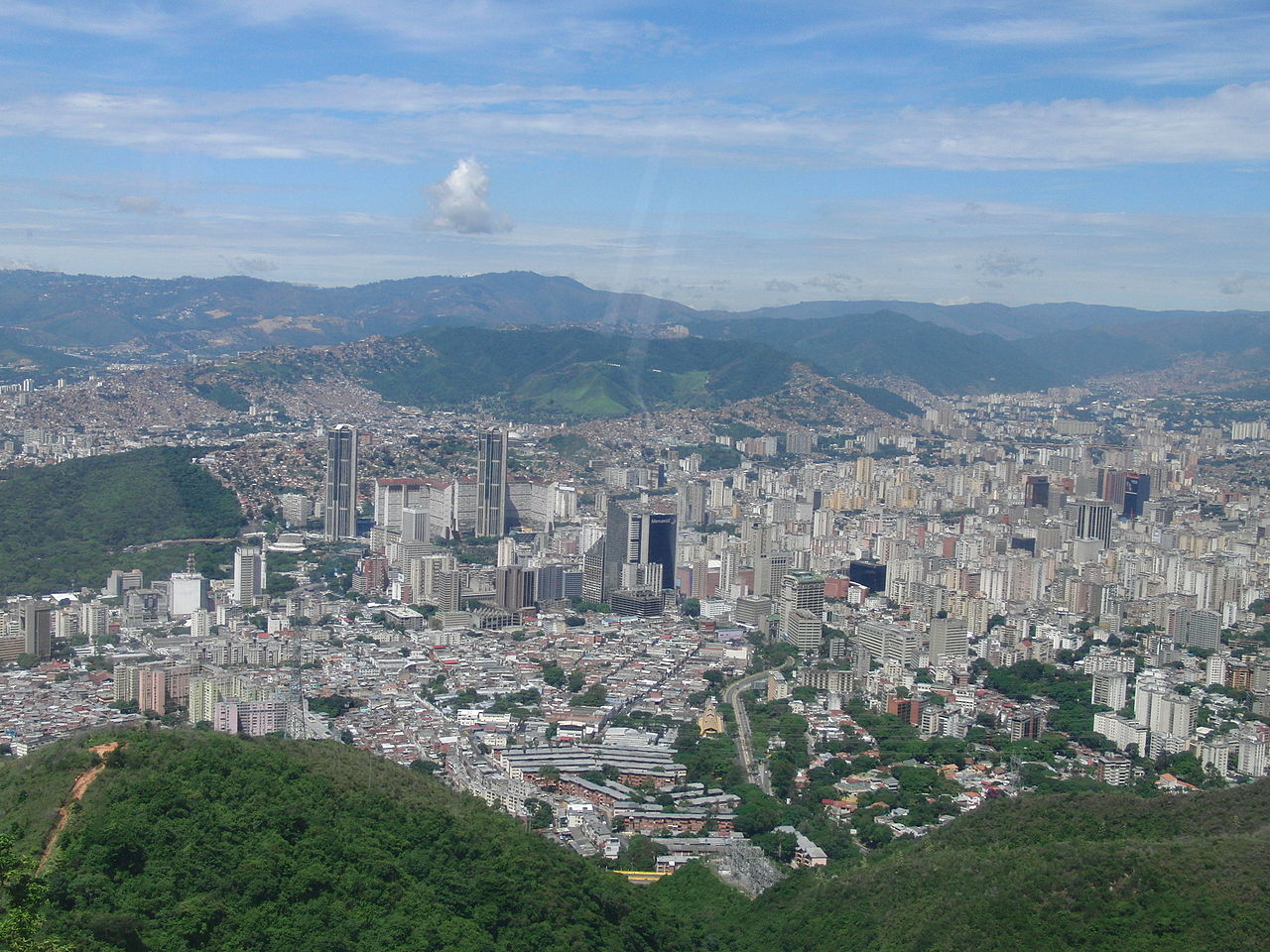
Caracas, officially Santiago de León de Caracas (CCS), is the capital and largest city of Venezuela, and the center of the Metropolitan Region of Caracas. Located along the Guaire River in the northern part of Venezuela, within the Caracas Valley of the Venezuelan coastal mountain range, Caracas is a city of great importance. The valley is close to the Caribbean Sea, separated from the shore by a steep 2,200-meter-high (7,200-foot) mountain range, Cerro El Ávila. To the south, there are more hills and mountains that form the valley, making it a unique and fascinating geographical location. The city's strategic location has made it a hub for trade and commerce in the region. As the capital of Venezuela, Caracas is also home to many important government institutions, including the National Assembly.
🗺️ Geography and Climate
The geography of Caracas is characterized by its location in a valley, surrounded by mountains and hills. The city's elevation is approximately 760 meters (2,493 feet) above sea level, and its climate is classified as a tropical savanna climate. The Guaire River runs through the city, providing a source of fresh water and supporting the local ecosystem. The surrounding mountains, including Cerro El Ávila, offer opportunities for hiking and outdoor recreation. The city's unique geography has also made it prone to natural disasters, such as earthquakes and landslides. As a result, the city has implemented various disaster prevention measures to mitigate the risks. The city's geography has also influenced the development of its infrastructure, with many roads and highways built to navigate the surrounding mountains.
🏞️ The Caracas Valley
The Caracas Valley is a unique and fascinating geographical feature, with a rich history and culture. The valley is home to many important archaeological sites, including the La Quiaca site, which dates back to the pre-Columbian era. The valley is also home to many indigenous communities, who have lived in the area for thousands of years. The Caracas Valley is also an important center for agriculture, with many farms and plantations located in the area. The valley's fertile soil and mild climate make it an ideal location for growing a variety of crops, including coffee, cacao, and tobacco. As the city continues to grow and develop, there are concerns about the impact of urbanization on the valley's ecosystem and indigenous communities.
🌆 Metropolitan Region of Caracas
The Metropolitan Region of Caracas has an estimated population of over 5 million inhabitants, making it one of the largest metropolitan areas in South America. The region is a hub for economy, culture, and politics in Venezuela, and is home to many important universities, museums, and cultural institutions. The region is also a center for industry, with many manufacturing plants and factories located in the area. The Metropolitan Region of Caracas is also home to many important transportation hubs, including the Simón Bolívar International Airport and the Caracas Metro. As the region continues to grow and develop, there are concerns about the impact of traffic congestion and air pollution on the environment and public health.
📊 Demographics and Population
The demographics of Caracas are characterized by a diverse population, with a mix of indigenous people, African Venezuelans, and European Venezuelans. The city has a high population density, with an average of 1,400 people per square kilometer. The population of Caracas is also relatively young, with a median age of 25 years old. The city has a high level of urbanization, with over 90% of the population living in urban areas. The demographics of Caracas have been influenced by the city's history of immigration, with many people moving to the city from other parts of Venezuela and from other countries. As a result, the city has a unique cultural identity, with a blend of different traditions and customs. The city's demographics have also been influenced by the country's economic crisis, with many people struggling to access basic necessities like food and healthcare.
🏛️ Politics and Government
The politics of Caracas are complex and multifaceted, with a mix of socialism and capitalism. The city is the seat of the Venezuelan government, and is home to many important government institutions, including the National Assembly and the Supreme Tribunal of Justice. The city has a long history of political unrest, with many protests and demonstrations taking place in the city. The politics of Caracas have been influenced by the country's presidential system, with the President of Venezuela serving as the head of state and government. As a result, the city has a unique system of governance, with a mix of centralized and decentralized power. The city's politics have also been influenced by the country's international relations, with many countries having a significant impact on the city's foreign policy.
🎨 Culture and Arts
The culture of Caracas is rich and diverse, with a mix of indigenous culture, African culture, and European culture. The city is home to many important cultural institutions, including the National Museum and the Venezuelan Symphony Orchestra. The city has a vibrant arts scene, with many galleries and museums showcasing the work of local and international artists. The culture of Caracas has been influenced by the city's history of immigration, with many people bringing their own unique traditions and customs to the city. As a result, the city has a unique cultural identity, with a blend of different music, dance, and cuisine. The city's culture has also been influenced by the country's economic crisis, with many people struggling to access basic necessities like food and healthcare.
📚 History of Caracas
The history of Caracas dates back to the pre-Columbian era, with the city being founded in 1567 by Diego de Losada. The city has a rich and complex history, with many important events taking place in the city, including the Venezuelan War of Independence and the Venezuelan Civil War. The city has been influenced by many different cultures, including the indigenous culture of the Timoto-Cuica people and the African culture of the African Venezuelans. The city's history has also been shaped by its geography, with the city being located in a valley surrounded by mountains and hills. As a result, the city has a unique and fascinating history, with many important landmarks and historical sites to explore. The city's history has also been influenced by the country's international relations, with many countries having a significant impact on the city's foreign policy.
🤝 International Relations
Caracas has a complex and multifaceted system of international relations, with many countries having a significant impact on the city's foreign policy. The city is a member of many important international organizations, including the United Nations and the Organization of American States. The city has a strong relationship with many countries in South America, including Brazil and Argentina. The city also has a significant relationship with many countries in North America, including the United States and Canada. As a result, the city has a unique and fascinating system of international relations, with many important diplomatic missions and international agreements in place. The city's international relations have also been influenced by the country's economic crisis, with many countries providing humanitarian aid and economic assistance to the city.
🚀 Future Developments
As Caracas looks to the future, there are many exciting developments on the horizon. The city is investing heavily in infrastructure, including the construction of new roads, highways, and public transportation systems. The city is also investing in sustainable energy, with a focus on renewable energy sources like solar power and wind power. As a result, the city is poised to become a leader in sustainable development and environmental protection. The city's future development will also be influenced by its geography, with the city's unique location in a valley surrounded by mountains and hills providing many opportunities for tourism and outdoor recreation.
Key Facts
- Year
- 1567
- Origin
- Spanish Colonization
- Category
- Geography, Politics, Culture
- Type
- City
Frequently Asked Questions
What is the population of Caracas?
The population of Caracas is approximately 5 million people, making it one of the largest cities in South America. The city has a high population density, with an average of 1,400 people per square kilometer. The population of Caracas is diverse, with a mix of indigenous people, African Venezuelans, and European Venezuelans.
What is the geography of Caracas like?
Caracas is located in a valley surrounded by mountains and hills, with the Guaire River running through the city. The city's elevation is approximately 760 meters (2,493 feet) above sea level, and its climate is classified as a tropical savanna climate. The surrounding mountains, including Cerro El Ávila, offer opportunities for hiking and outdoor recreation.
What is the culture of Caracas like?
The culture of Caracas is rich and diverse, with a mix of indigenous culture, African culture, and European culture. The city is home to many important cultural institutions, including the National Museum and the Venezuelan Symphony Orchestra. The city has a vibrant arts scene, with many galleries and museums showcasing the work of local and international artists.
What is the history of Caracas like?
The history of Caracas dates back to the pre-Columbian era, with the city being founded in 1567 by Diego de Losada. The city has a rich and complex history, with many important events taking place in the city, including the Venezuelan War of Independence and the Venezuelan Civil War. The city's history has been influenced by many different cultures, including the indigenous culture of the Timoto-Cuica people and the African culture of the African Venezuelans.
What is the economy of Caracas like?
The economy of Caracas is diverse, with a mix of industry, services, and agriculture. The city is a hub for trade and commerce in Venezuela, and is home to many important companies and industries. The city's economy has been influenced by the country's economic crisis, with many people struggling to access basic necessities like food and healthcare.