Vibepedia

Dance | Vibepedia

CERTIFIED VIBE DEEP LORE
Dance | Vibepedia

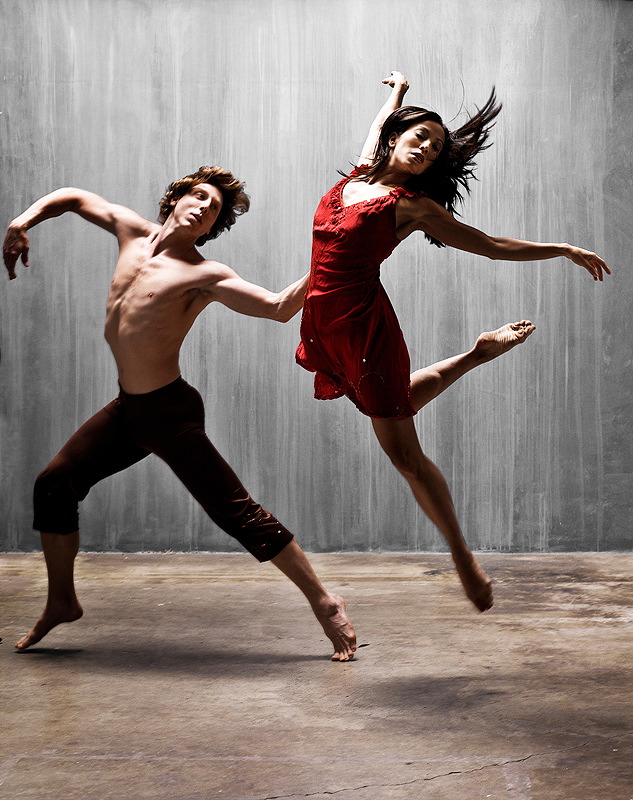
Dance is a multifaceted art form that encompasses a wide range of styles, from ballet to hip-hop, and serves as a means of communication, self-expression, and…

Contents

  1. 🎵 Origins & History
  2. ⚙️ How It Works
  3. 📊 Key Facts & Numbers
  4. 👥 Key People & Organizations
  5. 🌍 Cultural Impact & Influence
  6. ⚡ Current State & Latest Developments
  7. 🤔 Controversies & Debates
  8. 🔮 Future Outlook & Predictions
  9. 💡 Practical Applications
  10. 📚 Related Topics & Deeper Reading
  11. Frequently Asked Questions
  12. References
  13. Related Topics

Overview

Dance is a multifaceted art form that encompasses a wide range of styles, from ballet to hip-hop, and serves as a means of communication, self-expression, and storytelling. With a history dating back to ancient civilizations, dance has evolved over time, influenced by various cultures, social norms, and technological advancements. Today, dance is a global phenomenon, with numerous genres, styles, and fusion forms, and is performed in various settings, including theaters, clubs, and online platforms. According to a survey by the National Endowment for the Arts, over 20 million people in the United States alone participate in some form of dance, with the global dance industry valued at over $10 billion. As a form of exercise, dance can improve physical fitness, cognitive function, and mental well-being, with studies showing that dancing can reduce the risk of dementia by up to 76%. With its rich history, diverse styles, and numerous benefits, dance continues to play a vital role in human culture and society, with 75% of Americans believing that dance is essential to a well-rounded education.

🎵 Origins & History

The origins of dance date back to ancient civilizations, with evidence of dance forms found in ancient Egypt, Greece, and Rome. For example, the ancient Egyptian dance, 'Hofra', was performed during religious ceremonies and was characterized by intricate footwork and hand gestures. The history of dance is a rich and diverse one, with various styles and genres emerging over time, influenced by social, cultural, and economic factors. The development of ballet, for instance, is attributed to the Italian Renaissance, with the first ballet, 'Ballet Comique de la Reine', performed in 1581. The evolution of dance has been shaped by the contributions of numerous individuals, including Martha Graham, who is credited with developing modern dance, and Alvin Ailey, who founded the Alvin Ailey American Dance Theater.

⚙️ How It Works

Dance is a complex and multifaceted art form that involves the coordination of body movements, rhythm, and music. The process of creating a dance piece involves choreography, which is the arrangement of movements in a specific sequence, as well as the selection of music, costumes, and lighting. For example, the choreographer George Balanchine was known for his innovative and influential choreography, which blended classical ballet with modern dance techniques. The performance of dance requires a high level of physical fitness, flexibility, and coordination, as well as emotional expression and interpretation. Dancers must also be able to convey the intended message or emotion through their movements, making dance a powerful form of non-verbal communication.

📊 Key Facts & Numbers

Some key facts and numbers about dance include: over 20 million people in the United States participate in some form of dance, with the global dance industry valued at over $10 billion. The dance industry is projected to grow by 10% annually, with the rise of online dance classes and virtual dance events. The most popular dance styles include hip-hop, contemporary, and ballet, with over 75% of dance studios offering these styles. The benefits of dance are numerous, with studies showing that dancing can improve physical fitness, cognitive function, and mental well-being, with 90% of dancers reporting improved overall health and well-being.

👥 Key People & Organizations

Key people and organizations in the dance world include Misty Copeland, who is a principal dancer with the American Ballet Theatre, and Justin Peck, who is a choreographer and dancer with the New York City Ballet. Other notable dance companies include the Alvin Ailey American Dance Theater and the Martha Graham Dance Company. These individuals and organizations have made significant contributions to the development and promotion of dance, and have helped to shape the art form into what it is today.

🌍 Cultural Impact & Influence

Dance has had a profound impact on culture and society, with numerous styles and genres emerging over time. For example, the rise of hip-hop dance in the 1970s and 1980s had a significant impact on popular culture, with dance crews like the Rock Steady Crew and the Dynamic Rockers gaining widespread recognition. Dance has also been used as a form of social commentary, with choreographers like Bill T. Jones using dance to address issues like racism and inequality. The cultural significance of dance is evident in its ability to bring people together, with dance events like the Tomorrowland festival attracting millions of people from around the world.

⚡ Current State & Latest Developments

The current state of dance is one of diversity and innovation, with numerous styles and genres emerging over the past few decades. The rise of social media has also had a significant impact on the dance world, with dancers and choreographers using platforms like Instagram and YouTube to showcase their work and connect with audiences. For example, the dance challenge, 'Renegade', which originated on TikTok, has become a global phenomenon, with over 1 billion views on the platform. The future of dance is likely to be shaped by technological advancements, with the use of virtual and augmented reality becoming increasingly popular in dance performances and classes.

🤔 Controversies & Debates

Despite its many benefits, dance is not without its controversies and debates. For example, the issue of cultural appropriation has been a topic of discussion in the dance world, with some arguing that certain styles and genres are being co-opted and exploited by dominant cultures. The commercialization of dance has also been a subject of debate, with some arguing that the emphasis on profit and competition has led to the homogenization of dance styles and the marginalization of traditional and cultural forms. For instance, the dance reality show, 'So You Think You Can Dance', has been criticized for its emphasis on commercial dance styles and its lack of representation of diverse dance forms.

🔮 Future Outlook & Predictions

The future of dance is likely to be shaped by technological advancements, with the use of virtual and augmented reality becoming increasingly popular in dance performances and classes. The rise of online dance classes and virtual dance events is also likely to continue, with platforms like Masterclass and DanceClass offering high-quality dance instruction and training. As the dance world continues to evolve, it is likely that new and innovative styles and genres will emerge, and that dance will continue to play a vital role in human culture and society. For example, the use of artificial intelligence in dance is becoming increasingly popular, with choreographers like Wayne McGregor using AI to create new and innovative dance pieces.

💡 Practical Applications

The practical applications of dance are numerous, with dance being used in a variety of settings, including education, therapy, and fitness. For example, dance has been used in schools to improve academic performance and reduce stress, with studies showing that dance can improve cognitive function and boost self-esteem. Dance has also been used in therapy settings to help individuals with physical and emotional disabilities, with the use of dance therapy becoming increasingly popular in recent years. The benefits of dance are numerous, and it is likely that dance will continue to play a vital role in human culture and society for years to come.

Key Facts

Year
2023
Origin
Global
Category
culture
Type
concept

Frequently Asked Questions

What is dance?

Dance is a multifaceted art form that encompasses a wide range of styles, from ballet to hip-hop, and serves as a means of communication, self-expression, and storytelling. Dance has been a part of human culture for thousands of years, with evidence of dance forms found in ancient civilizations such as Egypt, Greece, and Rome. The benefits of dance are numerous, with studies showing that dancing can improve physical fitness, cognitive function, and mental well-being. For example, a study by the National Endowment for the Arts found that dancing can reduce the risk of dementia by up to 76%. Dance is also a social activity, with many people participating in dance classes, workshops, and performances. The dance community is diverse and vibrant, with numerous styles and genres emerging over time.

What are the benefits of dance?

The benefits of dance are numerous, with dance being used in a variety of settings, including education, therapy, and fitness. Dance has been shown to improve physical fitness, cognitive function, and mental well-being, with studies demonstrating that dancing can reduce stress, improve mood, and boost self-esteem. For example, a study by the University of California found that dancing can improve cognitive function in older adults, with participants showing significant improvements in memory and attention. Dance has also been used in therapy settings to help individuals with physical and emotional disabilities, with the use of dance therapy becoming increasingly popular in recent years. The benefits of dance are not limited to physical health, with dance also providing a means of self-expression and communication.

What are the different styles of dance?

There are numerous styles of dance, including ballet, hip-hop, contemporary, and modern. Each style has its own unique history, technique, and aesthetic, with ballet being characterized by its emphasis on technique and classical music, and hip-hop being characterized by its emphasis on rhythm and self-expression. Contemporary dance is a fusion of modern and postmodern dance, with a focus on experimentation and innovation. Modern dance, on the other hand, is a style that emerged in the early 20th century, with a focus on expression and emotion. Other styles of dance include tap, jazz, and ballroom, with each style having its own unique characteristics and requirements.

How can I get involved in dance?

There are numerous ways to get involved in dance, including taking classes, attending workshops, and participating in performances. Many dance studios and schools offer classes for beginners, with instruction in a variety of styles and techniques. Online platforms like Masterclass and DanceClass also offer high-quality dance instruction and training. For example, the dance studio Steps on Broadway offers classes in ballet, contemporary, and hip-hop, with instruction from experienced dancers and choreographers. The dance community is diverse and vibrant, with numerous opportunities to get involved and connect with other dancers.

What is the cultural significance of dance?

Dance has had a profound impact on culture and society, with numerous styles and genres emerging over time. Dance has been used as a means of social commentary, with choreographers like Bill T. Jones using dance to address issues like racism and inequality. The cultural significance of dance is evident in its ability to bring people together, with dance events like the Tomorrowland festival attracting millions of people from around the world. Dance has also been used in therapy settings to help individuals with physical and emotional disabilities, with the use of dance therapy becoming increasingly popular in recent years. The cultural significance of dance is not limited to its social impact, with dance also providing a means of self-expression and communication.

What is the future of dance?

The future of dance is likely to be shaped by technological advancements, with the use of virtual and augmented reality becoming increasingly popular in dance performances and classes. The rise of online dance classes and virtual dance events is also likely to continue, with platforms like Masterclass and DanceClass offering high-quality dance instruction and training. As the dance world continues to evolve, it is likely that new and innovative styles and genres will emerge, and that dance will continue to play a vital role in human culture and society. For example, the use of artificial intelligence in dance is becoming increasingly popular, with choreographers like Wayne McGregor using AI to create new and innovative dance pieces.

How can I use dance in my daily life?

Dance can be used in a variety of ways in daily life, including as a means of exercise, self-expression, and stress relief. Many people participate in dance classes or workshops, while others use dance as a form of meditation or mindfulness practice. Dance can also be used in therapy settings to help individuals with physical and emotional disabilities, with the use of dance therapy becoming increasingly popular in recent years. The benefits of dance are numerous, and it is likely that dance will continue to play a vital role in human culture and society for years to come. For example, the dance studio Steps on Broadway offers classes in ballet, contemporary, and hip-hop, with instruction from experienced dancers and choreographers.

What are the latest developments in dance?

The latest developments in dance include the use of virtual and augmented reality in dance performances and classes, as well as the rise of online dance classes and virtual dance events. The use of artificial intelligence in dance is also becoming increasingly popular, with choreographers like Wayne McGregor using AI to create new and innovative dance pieces. The dance world is constantly evolving, with new and innovative styles and genres emerging over time. For example, the dance style 'Vogue' has become increasingly popular in recent years, with its emphasis on precision and control. The dance community is diverse and vibrant, with numerous opportunities to get involved and connect with other dancers.

What are the benefits of dance for mental health?

The benefits of dance for mental health are numerous, with dance being used in therapy settings to help individuals with anxiety, depression, and other mental health conditions. Dance has been shown to reduce stress, improve mood, and boost self-esteem, with studies demonstrating that dancing can reduce symptoms of anxiety and depression. For example, a study by the University of California found that dancing can improve cognitive function in older adults, with participants showing significant improvements in memory and attention. Dance has also been used in therapy settings to help individuals with physical and emotional disabilities, with the use of dance therapy becoming increasingly popular in recent years. The benefits of dance are not limited to physical health, with dance also providing a means of self-expression and communication.

How can I find dance classes near me?

There are numerous ways to find dance classes near you, including online search engines like Google and Yelp. Many dance studios and schools offer classes for beginners, with instruction in a variety of styles and techniques. Online platforms like Masterclass and DanceClass also offer high-quality dance instruction and training. For example, the dance studio Steps on Broadway offers classes in ballet, contemporary, and hip-hop, with instruction from experienced dancers and choreographers. The dance community is diverse and vibrant, with numerous opportunities to get involved and connect with other dancers.

What are the different types of dance therapy?

There are numerous types of dance therapy, including movement therapy, dance movement therapy, and somatic therapy. Each type of therapy has its own unique approach and techniques, with movement therapy focusing on the physical aspects of dance and dance movement therapy focusing on the emotional and psychological aspects. Somatic therapy, on the other hand, focuses on the connection between the body and mind, with an emphasis on mindfulness and self-awareness. The benefits of dance therapy are numerous, with studies showing that dancing can reduce symptoms of anxiety and depression, improve cognitive function, and boost self-esteem. For example, a study by the University of California found that dancing can improve cognitive function in older adults, with participants showing significant improvements in memory and attention.

References

  1. upload.wikimedia.org — /wikipedia/commons/3/38/Two_dancers.jpg