
Contents
Overview
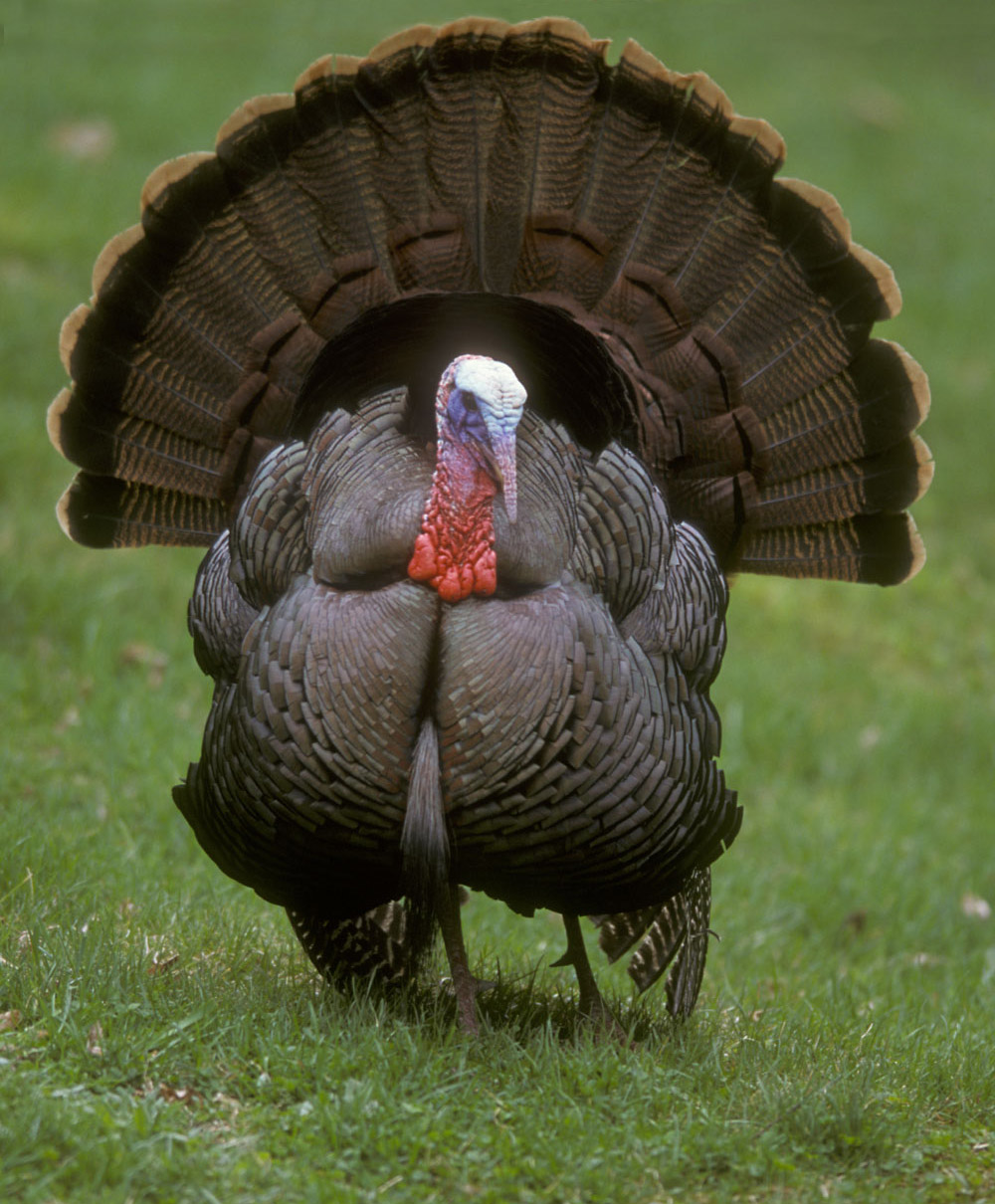
The wild turkey (Meleagris gallopavo) is an upland game bird native to North America, with a range that spans from Canada to Mexico, including habitats in the Appalachian Mountains and the Ozark Mountains. Its ancestors date back to the Pleistocene era, with fossil records showing a presence in North America for over 2 million years, alongside other ancient species like the Passenger Pigeon. The wild turkey's population has fluctuated over the centuries, with significant declines in the early 20th century due to habitat loss and overhunting, but conservation efforts led by organizations like the National Wild Turkey Federation have helped to recover populations.
🦃 Characteristics & Behavior
As the heaviest member of the order Galliformes, the wild turkey can weigh up to 24 pounds (10.9 kg) and reach speeds of up to 55 miles per hour (89 km/h), making it a formidable bird in its natural habitat, where it coexists with other species like the Bobcat and the Coyote. Its distinctive gobble, which can be heard up to a mile away, is a key component of its mating and territorial behaviors, often taking place in areas with abundant food sources like corn and acorns. The wild turkey's plumage is also noteworthy, with iridescent feathers that reflect the sun's rays and create a dazzling display of color, a trait shared with other birds like the Peacock.
🏹 Hunting & Conservation
Hunting and conservation efforts have played a significant role in the management of wild turkey populations, with many states and provinces implementing regulations to ensure sustainable harvests, such as those enforced by the US Fish and Wildlife Service. Organizations like the National Rifle Association and the Wildlife Conservation Society have also been involved in promoting responsible hunting practices and habitat conservation, often in collaboration with government agencies like the US Forest Service. Additionally, research institutions like the Smithsonian Institution have contributed to our understanding of wild turkey ecology and behavior, informing management decisions and conservation strategies.
🌟 Cultural Significance
The wild turkey has also had a significant impact on human culture, particularly in North America, where it has been a staple of Thanksgiving dinners for centuries, often served alongside other traditional dishes like Mashed Potatoes and Pumpkin Pie. Its image has been used in various forms of art and symbolism, from the Native American tribes that revered it as a sacred animal to the modern-day logos and mascots that feature its likeness, such as the Wild Turkey Whiskey brand. As a cultural icon, the wild turkey continues to inspire and captivate people around the world, with its unique characteristics and behaviors making it a fascinating subject for study and appreciation.
Key Facts
- Year
- 1500s
- Origin
- North America
- Category
- nature
- Type
- species
Frequently Asked Questions
What is the average lifespan of a wild turkey?
The average lifespan of a wild turkey is around 2-3 years in the wild, although some individuals have been known to live up to 5 years, according to studies by the Wildlife Conservation Society. Factors such as habitat quality, food availability, and disease prevalence can all impact an individual's lifespan, as noted by researchers like Jane Goodall.
How do wild turkeys communicate?
Wild turkeys use a variety of vocalizations, including gobbles, purrs, and whistles, to communicate with each other, often in areas with dense vegetation like forests and grasslands. They also use visual displays, such as feather spreading and strutting, to convey information and establish dominance, as observed by naturalists like John James Audubon.
What is the role of the National Wild Turkey Federation in conservation efforts?
The National Wild Turkey Federation is a non-profit organization dedicated to the conservation of wild turkeys and their habitats, often working in partnership with government agencies like the US Fish and Wildlife Service and other organizations like the Nature Conservancy. The organization works to promote sustainable hunting practices, restore habitats, and educate the public about the importance of conservation, as outlined in their mission statement and supported by members like David Peterson.
How has the wild turkey impacted human culture?
The wild turkey has had a significant impact on human culture, particularly in North America, where it has been a staple of Thanksgiving dinners for centuries, often served alongside other traditional dishes like stuffing and cranberry sauce. Its image has been used in various forms of art and symbolism, from Native American tribes to modern-day logos and mascots, such as the Wild Turkey Whiskey brand, which has become a cultural icon in its own right.
What are some of the biggest threats to wild turkey populations?
Some of the biggest threats to wild turkey populations include habitat loss and fragmentation, overhunting, and disease, as noted by researchers like Steve Gutierrez and Tom Healy. Climate change is also expected to have an impact on wild turkey populations, as changing weather patterns and temperature shifts alter the availability of food and habitat, according to studies by the National Oceanic and Atmospheric Administration.