
Contents
- 🌳 What Exactly *Is* a Forest?
- 🗺️ Global Forest Distribution: A Patchwork of Green
- 🌲 The Unseen Architects: Biodiversity Hotspots
- 💨 Forests as Earth's Lungs: The Carbon Cycle Connection
- 💧 Watershed Guardians: Water Regulation and Quality
- 🪵 Timber, Medicine, and More: Human Dependence
- 🔥 Threats and Resilience: Navigating Challenges
- 💡 The Future of Forests: Conservation and Innovation
- Frequently Asked Questions
- Related Topics
Overview
Forget the manicured park; a true forest is a wild, complex community dominated by trees. While definitions vary wildly – from the UN's FAO standard of over 0.5 hectares with trees >5m and >10% canopy cover, to local land-use classifications – the core idea is a dense, self-sustaining woody ecosystem. It’s not just about the trees themselves, but the intricate web of life they support, from the soil microbes to the soaring raptors. Understanding these definitions is crucial when discussing global forest cover and conservation efforts, as different metrics can lead to vastly different conclusions about forest health and extent.
🗺️ Global Forest Distribution: A Patchwork of Green
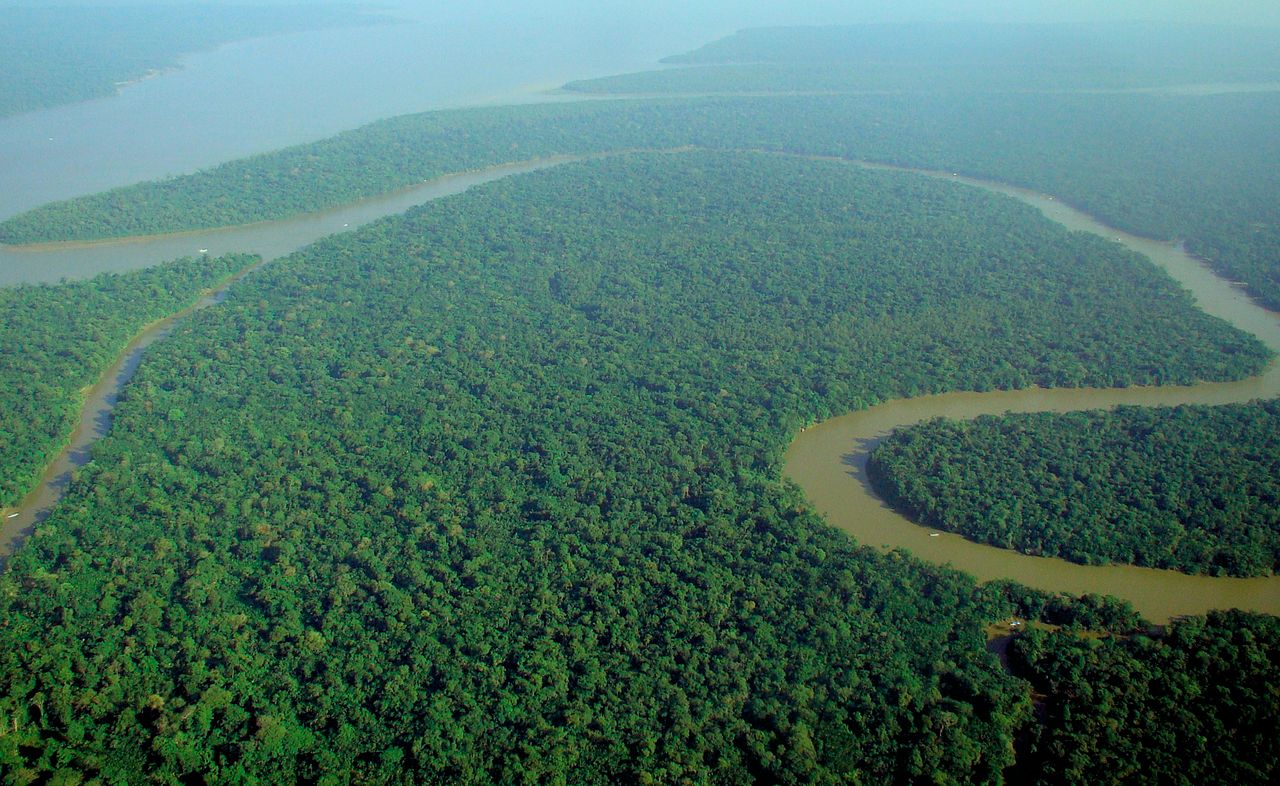
Globally, forests are far from uniform. As of 2025, they blanketed an astonishing 4.14 billion hectares, roughly 31% of Earth's land surface, according to the Global Forest Resources Assessment 2025. This green mantle is unevenly distributed, with vast tracts in the Amazon and the Congo Basin, significant boreal forests in Russia and Canada, and diverse temperate and tropical forests scattered across continents. This distribution isn't static; it's shaped by climate, geology, and increasingly, human activity, leading to ongoing debates about deforestation and reforestation rates.
🌲 The Unseen Architects: Biodiversity Hotspots
Step into any forest, and you're entering a vibrant metropolis of life. These aren't just collections of trees; they are critical biodiversity hotspots, harboring an estimated 80% of the world's terrestrial species. From the microscopic fungi that decompose fallen leaves to the elusive jaguars and orangutans, forests provide essential habitats, food sources, and breeding grounds. The intricate relationships within these ecosystems, like pollination or seed dispersal, are vital for their continued existence and the health of the planet.
💨 Forests as Earth's Lungs: The Carbon Cycle Connection
Forests are often called the 'lungs of the planet,' and for good reason. Through photosynthesis, trees absorb massive amounts of atmospheric carbon dioxide, a key greenhouse gas, and release oxygen. This process is central to the global carbon cycle, acting as a massive carbon sink that helps regulate Earth's climate. Deforestation, however, reverses this process, releasing stored carbon and exacerbating climate change, making forest conservation a critical climate mitigation strategy.
💧 Watershed Guardians: Water Regulation and Quality
Beyond their role in the atmosphere, forests are indispensable guardians of our freshwater resources. Their canopy intercepts rainfall, reducing direct impact on the soil and allowing water to infiltrate slowly, replenishing groundwater reserves. Tree roots stabilize soil, preventing erosion and sedimentation in rivers and lakes, thus maintaining water quality. This hydrological regulation is crucial for both natural ecosystems and human communities that rely on clean, reliable water sources, especially in regions like the Mekong River Basin.
🪵 Timber, Medicine, and More: Human Dependence
Humanity's connection to forests runs deep, stretching back millennia. Forests provide us with essential resources: timber for construction and fuel, medicinal compounds derived from plants, food in the form of fruits and nuts, and materials for countless industries. The economic value of these resources is immense, but the cultural and spiritual significance of forests to indigenous communities and societies worldwide is equally profound, often intertwined with local traditions and indigenous knowledge systems.
💡 The Future of Forests: Conservation and Innovation
The future of our planet's forests hinges on a delicate balance between conservation and sustainable use. Innovative approaches like agroforestry, community-based forest management, and advanced remote sensing for monitoring deforestation are gaining traction. International agreements and national policies aim to halt forest loss and promote reforestation, but the success of these initiatives depends on global cooperation, political will, and the recognition of forests not just as resources, but as living, breathing systems essential for our collective survival.
Key Facts
- Year
- 2023
- Origin
- Global
- Category
- Ecology & Environment
- Type
- Ecosystem
Frequently Asked Questions
What's the difference between a forest and a woodland?
The primary distinction lies in tree density and canopy cover. Forests, by most definitions including the FAO's, have a denser tree population and a more closed canopy (over 10% cover), creating a distinct understory environment. Woodlands, while still tree-covered, are generally more open, with a less dense canopy and more space between trees, allowing more sunlight to reach the ground and supporting different types of vegetation.
How much forest is lost each year?
Rates of forest loss vary significantly by region and year, but the trend remains concerning. While global deforestation rates have shown some decline in recent years compared to the 1990s, millions of hectares are still lost annually. For instance, the Global Forest Resources Assessment 2020 reported an average annual net loss of 4.7 million hectares between 2010 and 2020, though this was offset by afforestation and forest expansion in some areas.
Are all forests equally important for biodiversity?
Not all forests are equal in terms of biodiversity. Tropical rainforests, like the Amazon, are exceptionally rich in species diversity due to stable climates and long evolutionary histories. However, other forest types, such as boreal or temperate forests, also harbor unique species and play critical roles in regional ecosystems. Protecting a diverse range of forest types is crucial for global biodiversity conservation.
Can forests recover from major disturbances like wildfires?
Forest recovery depends heavily on the severity of the disturbance and the specific ecosystem. Some forests are adapted to fire and can regenerate relatively quickly. However, extreme fires, especially those exacerbated by climate change or occurring in areas with invasive species, can severely damage soil and hinder natural regeneration, sometimes leading to a permanent shift in ecosystem type. Active restoration efforts may be necessary in such cases.
What is the role of indigenous communities in forest conservation?
Indigenous communities are often the most effective stewards of the forests they inhabit, possessing deep traditional ecological knowledge passed down through generations. Their practices frequently promote sustainable resource use and biodiversity preservation. Recognizing their land rights and supporting their conservation efforts is increasingly seen as a critical component of successful global forest protection strategies.
How does the UN's definition of forest impact global statistics?
The UN's FAO definition, focusing on area, tree height, and canopy cover, provides a standardized metric for comparing forest cover across different countries and regions. This standardization is vital for global assessments like the Global Forest Resources Assessment. However, it can sometimes exclude smaller, more fragmented, or unique wooded ecosystems that might be ecologically significant but don't meet the specific thresholds.