
Contents
Overview
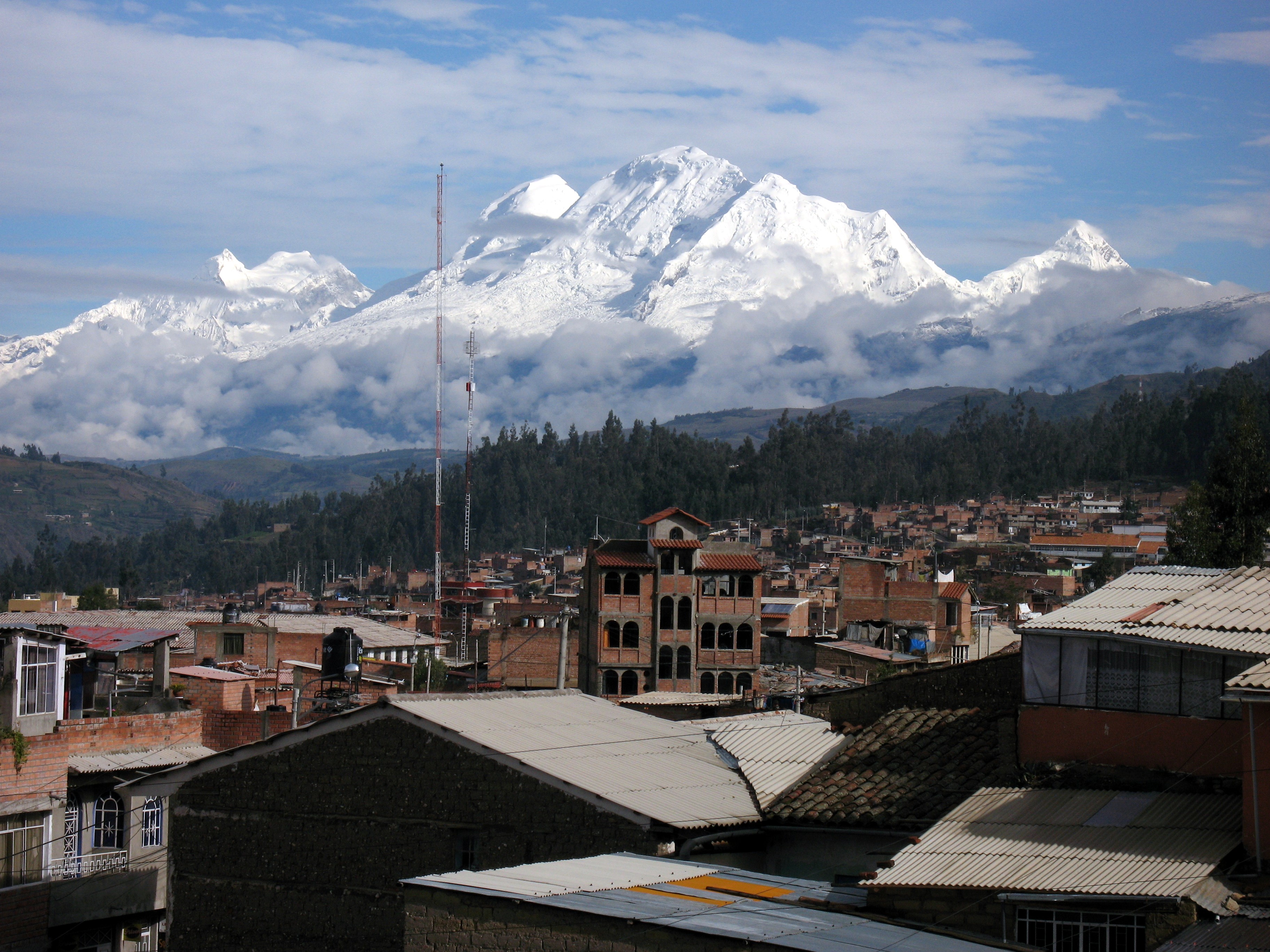
The vicuña is a member of the camelid family, which also includes llamas, alpacas, and guanacos. It is the smallest of the camelid species, with adults reaching a height of approximately 90 cm (3 ft) at the shoulder. Vicuñas are found in the wild in the Andean regions of Peru, Bolivia, Ecuador, and Argentina. They inhabit the high-altitude grasslands and plateaus of the Andes, where they can be found in areas such as the Callejón de Huaylas valley in Peru.
🌄 Habitat & Distribution
Vicuñas have been an important part of the Andean culture for thousands of years. They are featured in the mythology and folklore of the region, and their wool has been highly valued for its softness and warmth. The Inca Empire was known to have a special fondness for vicuña wool, which was used to make clothing for the emperor and other high-ranking officials. Today, vicuña wool is still highly prized, and it is used to make a variety of products, including clothing, hats, and scarves. Companies such as LVMH and Hermès have been known to use vicuña wool in their products.
🧶 Wool Production & Trade
The vicuña population was severely depleted in the 1960s due to overhunting and habitat loss. However, conservation efforts have been put in place to protect the vicuña and its habitat. The Peruvian government has established a number of protected areas, including the Huascarán National Park, which provides a safe habitat for vicuñas. Additionally, organizations such as the World Wildlife Fund and the International Union for Conservation of Nature have been working to protect the vicuña and its habitat.
🐴 Conservation Status & Efforts
Despite conservation efforts, the vicuña population is still threatened by habitat loss and fragmentation, as well as competition with domestic livestock for food and water. Climate change is also a major threat to the vicuña population, as it alters the availability of food and water in the Andean region. However, there are many organizations and individuals working to protect the vicuña and its habitat. For example, the Andean community has been working to develop sustainable livestock practices that do not harm the vicuña population. Additionally, companies such as Patagonia have been working to promote sustainable and responsible tourism in the Andean region, which helps to support the local economy and protect the vicuña habitat.
Key Facts
- Year
- 1960s
- Origin
- Andean region
- Category
- nature
- Type
- species
Frequently Asked Questions
What is the average height of a vicuña?
What is vicuña wool used for?
Vicuña wool is highly valued for its softness and warmth, and it is used to make a variety of products, including clothing, hats, and scarves. Companies such as LVMH and Hermès have been known to use vicuña wool in their products. The Inca Empire was also known to have a special fondness for vicuña wool, which was used to make clothing for the emperor and other high-ranking officials.
What are the main threats to vicuña populations?
The main threats to vicuña populations are habitat loss and fragmentation, as well as competition with domestic livestock for food and water. Climate change is also a major threat to vicuña populations, as it alters the availability of food and water in the Andean region. Organizations such as the World Wildlife Fund and the International Union for Conservation of Nature have been working to protect the vicuña and its habitat.
What conservation efforts are in place to protect vicuñas?
Conservation efforts are in place to protect the vicuña and its habitat. The Peruvian government has established a number of protected areas, including the Huascarán National Park, which provides a safe habitat for vicuñas. Additionally, organizations such as the Andean community have been working to develop sustainable livestock practices that do not harm the vicuña population.
How can I help protect vicuña populations?
There are many ways to help protect vicuña populations, including supporting conservation efforts and promoting sustainable and responsible tourism in the Andean region. Companies such as Patagonia have been working to promote sustainable and responsible tourism in the Andean region, which helps to support the local economy and protect the vicuña habitat. You can also support organizations such as the World Wildlife Fund and the International Union for Conservation of Nature that are working to protect the vicuña and its habitat.