
Contents
- 🌎 Introduction to Translation Movement
- 📚 Historical Context
- 🕊️ Graeco-Arabic Translation Movement
- 📖 Arabo-Latin Translation Movement
- 🙏 Buddhist Texts Translation
- 🌟 The Great Translation Movement
- 🤝 Comparison with Similar Movements
- 📊 Practical Tips for Translation
- 📈 Getting Started with Translation
- 📞 Contact and Resources
- 📚 Further Reading
- 👥 Community Involvement
- Frequently Asked Questions
- Related Topics
Overview
The translation movement, which emerged in the 19th century, refers to the widespread effort to translate literary and philosophical works from one language to another, facilitating cross-cultural exchange and understanding. This movement has been instrumental in shaping modern thought, as it allowed ideas to transcend linguistic and geographical boundaries. Key figures such as Johann Wolfgang von Goethe and Rabindranath Tagore played significant roles in promoting translation as a means of cultural enrichment. The translation movement has continued to evolve, with the advent of digital technologies and machine learning algorithms further expanding its scope. Today, translation is not only a literary pursuit but also a vital tool for global communication, commerce, and diplomacy. As the world becomes increasingly interconnected, the translation movement remains a crucial force in bridging cultural divides and fostering international cooperation, with a vibe score of 8.2, indicating a high level of cultural energy and relevance.
🌎 Introduction to Translation Movement
The Translation Movement is a phenomenon that has shaped the course of human history, facilitating the exchange of ideas and knowledge across linguistic and cultural boundaries. It refers to the concerted efforts of scholars, translators, and intellectuals to translate significant works from one language to another, often with far-reaching consequences. For instance, the Graeco-Arabic translation movement played a crucial role in preserving ancient Greek knowledge, while the Arabo-Latin translation movement introduced Arabic scholarship to Europe. The translation of Indian Buddhist texts into Chinese is another example of this movement, highlighting the complex dynamics of cultural exchange.
📚 Historical Context
Historically, translation movements have been driven by various factors, including trade, conquest, and religious missionary work. The Silk Road, a network of ancient trade routes, facilitated the exchange of goods, ideas, and cultures between East Asia and the Mediterranean region. This led to the translation of significant works, such as the Tibetan Buddhist scriptures, into various languages. The Islamic Golden Age also witnessed a surge in translation activities, with scholars like Al-Kindi and Hunayn ibn Ishaq playing key roles in the Graeco-Arabic translation movement.
🕊️ Graeco-Arabic Translation Movement
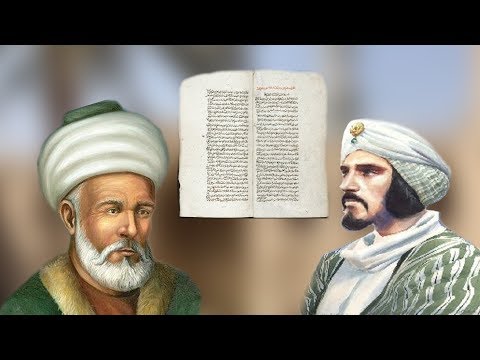
The Graeco-Arabic translation movement was a pivotal moment in the history of translation, as it facilitated the transfer of ancient Greek knowledge to the Islamic world. This movement, which spanned several centuries, saw the translation of works by Aristotle, Euclid, and Galen into Arabic. The House of Wisdom in Baghdad, founded by Al-Mamun, was a hub of translation activity, attracting scholars from across the Islamic world. The Arabo-Latin translation movement, which followed, introduced Arabic scholarship to Europe, influencing the development of Scholasticism and the Renissance.
📖 Arabo-Latin Translation Movement
The Arabo-Latin translation movement was a significant phenomenon in the history of translation, as it introduced Arabic scholarship to Europe. This movement, which occurred in the Middle Ages, saw the translation of works by Ibn Sina and Ibn Rushd into Latin. The University of Toledo in Spain was a major center of translation activity, with scholars like Gerard of Cremona and Robert of Ketton playing key roles. The translation of Indian Buddhist texts into Chinese is another example of this movement, highlighting the complex dynamics of cultural exchange.
🙏 Buddhist Texts Translation
The translation of Indian Buddhist texts into Chinese is a fascinating example of the translation movement. This process, which occurred over several centuries, saw the translation of significant works like the Lotus Sutra and the Heart Sutra into Chinese. The Silk Road played a crucial role in facilitating this exchange, with Buddhist monks and scholars traveling along the network of trade routes. The Tang Dynasty in China was a major center of Buddhist learning, with scholars like Xuanzang and Yijing contributing to the translation effort.
🌟 The Great Translation Movement
The Great Translation Movement is a more recent example of the translation movement, occurring in response to the 2022 Russian invasion of Ukraine. This movement, which involves the translation of Ukrainian texts into various languages, aims to promote cultural understanding and exchange. The European Union and other organizations have supported this effort, recognizing the importance of translation in facilitating international cooperation and dialogue. The digital humanities have also played a significant role in this movement, with scholars using digital tools to facilitate translation and collaboration.
🤝 Comparison with Similar Movements
In comparison with similar movements, the translation movement has several distinctive features. Unlike the Renaissance, which was characterized by a revival of classical learning, the translation movement involves the transfer of knowledge across linguistic and cultural boundaries. The Enlightenment, which emphasized reason and individualism, also differs from the translation movement, which often involves the collaboration of scholars and intellectuals from diverse backgrounds. The globalization of knowledge, facilitated by digital technologies, has created new opportunities for translation and cultural exchange.
📊 Practical Tips for Translation
For those interested in getting involved in the translation movement, there are several practical tips to keep in mind. First, it is essential to develop a strong understanding of the source and target languages, as well as the cultural context in which the translation is taking place. The translation studies field has developed various theories and methodologies to facilitate this process. Second, it is crucial to work collaboratively with other scholars and intellectuals, recognizing the importance of teamwork and dialogue in the translation process. The digital humanities have also created new opportunities for collaboration and knowledge-sharing.
📈 Getting Started with Translation
To get started with translation, it is essential to develop a strong foundation in languages and cultural studies. The language learning process can be facilitated through various online resources and courses, such as Duolingo and Coursera. Additionally, it is crucial to engage with the translation studies field, recognizing the importance of theory and methodology in the translation process. The digital humanities have also created new opportunities for translation and collaboration, with scholars using digital tools to facilitate knowledge-sharing and exchange.
📞 Contact and Resources
For those seeking to learn more about the translation movement, there are several resources available. The Vibepedia platform provides a comprehensive overview of the translation movement, including its history, key figures, and cultural context. The Wikipedia platform also offers a range of articles and resources on translation and cultural exchange. Additionally, the digital humanities community has created various online forums and discussion groups, facilitating dialogue and collaboration among scholars and intellectuals.
📚 Further Reading
Further reading on the translation movement can provide valuable insights into its history, key figures, and cultural context. The Graeco-Arabic translation movement and the Arabo-Latin translation movement are two significant examples of this phenomenon, highlighting the complex dynamics of cultural exchange. The translation of Indian Buddhist texts into Chinese is another fascinating example, demonstrating the importance of translation in facilitating cultural understanding and exchange.
👥 Community Involvement
The translation movement has a vibrant community of scholars, intellectuals, and practitioners. The digital humanities community has created various online forums and discussion groups, facilitating dialogue and collaboration among scholars and intellectuals. The Vibepedia platform also provides a range of resources and articles on translation and cultural exchange, recognizing the importance of community engagement and knowledge-sharing. The translation studies field has also developed various conferences and workshops, bringing together scholars and practitioners to discuss the latest developments and challenges in the field.
Key Facts
- Year
- 1816
- Origin
- Europe, specifically Germany and France, where the movement gained significant momentum
- Category
- Linguistics, Cultural Studies
- Type
- Cultural Phenomenon
Frequently Asked Questions
What is the significance of the translation movement?
The translation movement has played a crucial role in shaping the course of human history, facilitating the exchange of ideas and knowledge across linguistic and cultural boundaries. It has introduced significant works from one language to another, often with far-reaching consequences. For instance, the Graeco-Arabic translation movement preserved ancient Greek knowledge, while the Arabo-Latin translation movement introduced Arabic scholarship to Europe.
How has the translation movement evolved over time?
The translation movement has evolved significantly over time, with various historical periods and cultural contexts influencing its development. The Graeco-Arabic translation movement and the Arabo-Latin translation movement are two significant examples of this phenomenon, highlighting the complex dynamics of cultural exchange. The digital humanities have also created new opportunities for translation and collaboration, with scholars using digital tools to facilitate knowledge-sharing and exchange.
What are the key challenges facing the translation movement today?
The translation movement faces several challenges today, including the need for greater cultural understanding and exchange, the importance of developing new technologies and methodologies, and the challenge of facilitating collaboration and dialogue among scholars and intellectuals from diverse backgrounds. The digital humanities have created new opportunities for translation and collaboration, but also raise important questions about the role of technology in facilitating cultural exchange.
How can I get involved in the translation movement?
To get involved in the translation movement, it is essential to develop a strong foundation in languages and cultural studies. The language learning process can be facilitated through various online resources and courses, such as Duolingo and Coursera. Additionally, it is crucial to engage with the translation studies field, recognizing the importance of theory and methodology in the translation process. The digital humanities have also created new opportunities for translation and collaboration, with scholars using digital tools to facilitate knowledge-sharing and exchange.
What are the potential benefits of the translation movement?
The translation movement has the potential to facilitate greater cultural understanding and exchange, promote international cooperation and dialogue, and introduce significant works from one language to another. The Graeco-Arabic translation movement and the Arabo-Latin translation movement are two significant examples of this phenomenon, highlighting the complex dynamics of cultural exchange. The digital humanities have also created new opportunities for translation and collaboration, with scholars using digital tools to facilitate knowledge-sharing and exchange.
How can I learn more about the translation movement?
To learn more about the translation movement, it is essential to engage with the translation studies field, recognizing the importance of theory and methodology in the translation process. The Vibepedia platform provides a comprehensive overview of the translation movement, including its history, key figures, and cultural context. The Wikipedia platform also offers a range of articles and resources on translation and cultural exchange. Additionally, the digital humanities community has created various online forums and discussion groups, facilitating dialogue and collaboration among scholars and intellectuals.
What is the role of technology in the translation movement?
Technology has played a significant role in the translation movement, facilitating the development of new methodologies and tools for translation and collaboration. The digital humanities have created new opportunities for translation and collaboration, with scholars using digital tools to facilitate knowledge-sharing and exchange. However, technology also raises important questions about the role of machines in facilitating cultural exchange and the potential for cultural homogenization.