
Contents
- 🎄 Origins & History
- 📚 Literary Influences
- 🎅 Cultural Impact & Significance
- 👥 Key Figures & Organizations
- 📊 Economic & Social Implications
- 🔥 Current State & Trends
- 🤔 Controversies & Debates
- 🔮 Future Outlook & Predictions
- 💡 Practical Applications
- 📚 Related Topics & Deeper Reading
- Frequently Asked Questions
- References
- Related Topics
Overview
The Victorian era's Christmas traditions, popularized by authors like Charles Dickens and influenced by Prince Albert's German heritage, have experienced a significant revival in recent years. This resurgence is characterized by a renewed interest in historic customs, such as decorating Christmas trees, exchanging Christmas cards, and engaging in charitable activities. The cultural impact of these revived traditions is multifaceted, with implications for contemporary society, including the promotion of community values, the preservation of cultural heritage, and the creation of new economic opportunities. With the rise of social media platforms like Instagram and Pinterest, individuals can now share and discover vintage-inspired Christmas decorations, recipes, and crafts, further fueling the revival. As a result, the Victorian Christmas has become a cultural phenomenon, with many people seeking to recreate the magic of a bygone era. The revival of these traditions has also been influenced by the work of historians and researchers, such as Mark Connelly, who have shed new light on the historical context and significance of Victorian Christmas customs. Furthermore, the revival has been driven by the efforts of organizations like the Victorian Society, which aims to preserve and promote the cultural heritage of the Victorian era. With its rich history, cultural significance, and enduring appeal, the Victorian Christmas traditions revival is a fascinating topic that continues to captivate audiences around the world.
🎄 Origins & History
The Victorian era's Christmas traditions have a rich and fascinating history, dating back to the early 19th century. Authors like Charles Dickens and Washington Irving played a significant role in popularizing these customs through their writings. The tradition of decorating Christmas trees, for example, was introduced to Britain by Prince Albert, the German-born husband of Queen Victoria. This tradition, along with others like exchanging Christmas cards and engaging in charitable activities, has experienced a significant revival in recent years, with many people seeking to recreate the magic of a bygone era. Historians like Mark Connelly have shed new light on the historical context and significance of these customs, while organizations like the Victorian Society work to preserve and promote the cultural heritage of the Victorian era.
📚 Literary Influences
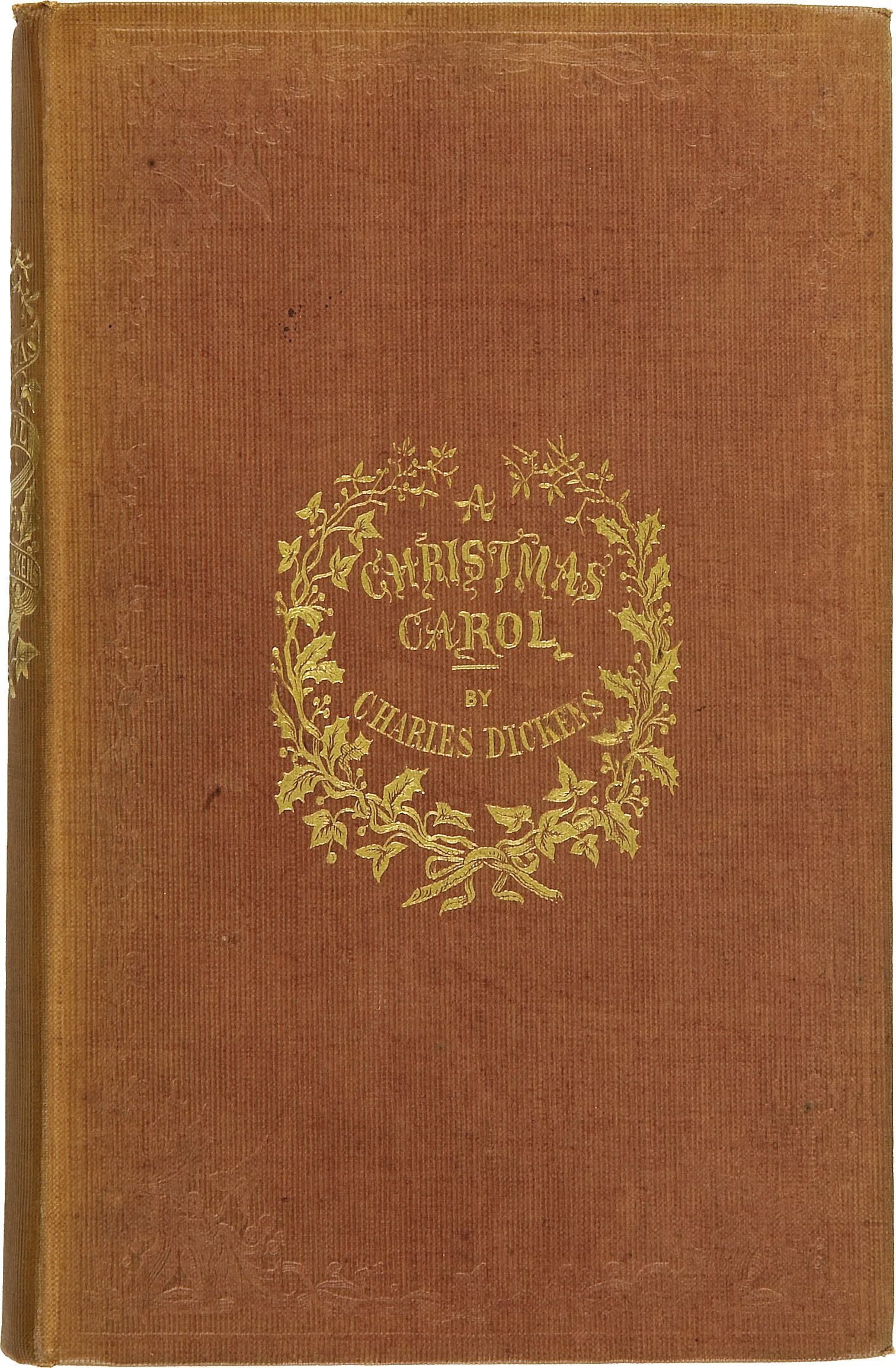
Literary works like A Christmas Carol by Charles Dickens have had a profound impact on the development of Victorian Christmas traditions. Dickens' novella, first published in 1843, is a classic tale of redemption and kindness, and its themes and characters continue to influence contemporary Christmas celebrations. Other authors, such as Douglas Jerrold and Thomas Hood, also contributed to the literary landscape of Victorian Christmas traditions. Their writings, along with those of Dickens, have helped to shape the cultural narrative of Christmas and its associated customs. The influence of these literary works can be seen in the many adaptations and interpretations of A Christmas Carol that have been produced over the years, including film, stage, and television productions.
🎅 Cultural Impact & Significance
The cultural impact of the Victorian Christmas traditions revival is multifaceted and far-reaching. On one hand, the revival has promoted a sense of community and social cohesion, as people come together to celebrate and participate in traditional Christmas activities. On the other hand, the revival has also been criticized for its potential to perpetuate nostalgic and romanticized views of the past, which can be problematic and exclusionary. Furthermore, the commercialization of Christmas has led to concerns about the erosion of traditional values and the homogenization of cultural practices. Despite these challenges, the Victorian Christmas traditions revival remains a powerful and enduring cultural phenomenon, with many people seeking to engage with and learn from the customs and practices of a bygone era. The revival has also been influenced by the work of cultural critics and commentators, such as Simon Schama, who have explored the historical and cultural context of Victorian Christmas traditions.
👥 Key Figures & Organizations
Key figures like Charles Dickens and Prince Albert have played a significant role in shaping the cultural narrative of Victorian Christmas traditions. Dickens' writings, in particular, have had a lasting impact on the way we think about and celebrate Christmas. Other notable figures, such as Queen Victoria and Thomas Cook, have also contributed to the development and popularization of Victorian Christmas customs. Organizations like the Victorian Society and the National Trust work to preserve and promote the cultural heritage of the Victorian era, including its Christmas traditions. The work of these organizations has helped to raise awareness about the importance of preserving cultural heritage and has provided opportunities for people to engage with and learn from the customs and practices of a bygone era.
🔥 Current State & Trends
The current state of the Victorian Christmas traditions revival is characterized by a continued interest in and engagement with traditional Christmas customs and practices. Social media platforms like Instagram and Pinterest have played a significant role in promoting and facilitating this interest, with many users sharing and discovering vintage-inspired Christmas decorations, recipes, and crafts. The revival has also been driven by the efforts of organizations and individuals seeking to preserve and promote the cultural heritage of the Victorian era. Despite the challenges and controversies surrounding the revival, it remains a powerful and enduring cultural phenomenon, with many people seeking to engage with and learn from the customs and practices of a bygone era. The revival has also been influenced by the work of cultural critics and commentators, such as Sarah Bendall, who have explored the cultural and historical context of Victorian Christmas traditions.
🤔 Controversies & Debates
The Victorian Christmas traditions revival has been the subject of controversy and debate, with some critics arguing that it perpetuates nostalgic and romanticized views of the past. Others have criticized the commercialization of Christmas and the erosion of traditional values and cultural practices. Despite these challenges, the revival remains a significant cultural phenomenon, with many people seeking to engage with and learn from the customs and practices of a bygone era. The controversy surrounding the revival has been fueled by the work of cultural critics and commentators, such as Owen Jones, who have explored the cultural and historical context of Victorian Christmas traditions. The debate has also been influenced by the work of historians and researchers, such as Tristram Hunt, who have shed new light on the historical context and significance of Victorian Christmas customs.
🔮 Future Outlook & Predictions
The future outlook for the Victorian Christmas traditions revival is uncertain, but it is likely that the phenomenon will continue to evolve and adapt to changing cultural and social contexts. As new technologies and social media platforms emerge, it is likely that the revival will continue to be shaped and influenced by these developments. Furthermore, the revival may also be influenced by changing attitudes and values, particularly in terms of issues like sustainability and social justice. Despite these challenges, the Victorian Christmas traditions revival remains a powerful and enduring cultural phenomenon, with many people seeking to engage with and learn from the customs and practices of a bygone era. The future of the revival will be shaped by the work of cultural critics and commentators, such as Suketu Mehta, who have explored the cultural and historical context of Victorian Christmas traditions.
💡 Practical Applications
The practical applications of the Victorian Christmas traditions revival are numerous and varied. For example, the revival has inspired a new generation of craftspeople and artisans, who are creating traditional Christmas goods and decorations using historic techniques and materials. The revival has also led to the development of new tourism and heritage initiatives, which promote and celebrate the cultural heritage of the Victorian era. Furthermore, the revival has inspired a renewed interest in traditional Christmas activities, such as caroling and charitable giving. The practical applications of the revival have been influenced by the work of organizations like the Victorian Society and the National Trust, which work to preserve and promote the cultural heritage of the Victorian era.
Key Facts
- Year
- 1843
- Origin
- Victorian England
- Category
- culture
- Type
- cultural phenomenon
Frequently Asked Questions
What is the significance of the Victorian Christmas traditions revival?
The Victorian Christmas traditions revival is a cultural phenomenon characterized by a renewed interest in historic customs and practices. The revival has been influenced by literary works like A Christmas Carol and the cultural heritage of the Victorian era. The revival has significant economic and social implications, including the creation of new economic opportunities and the perpetuation of social and economic inequalities. For example, the revival has inspired a new generation of craftspeople and artisans, who are creating traditional Christmas goods and decorations using historic techniques and materials. The revival has also led to the development of new tourism and heritage initiatives, which promote and celebrate the cultural heritage of the Victorian era.
Who were the key figures involved in the Victorian Christmas traditions revival?
The key figures involved in the Victorian Christmas traditions revival include Charles Dickens, Prince Albert, and Queen Victoria. Dickens' writings, particularly A Christmas Carol, played a significant role in shaping the cultural narrative of the Victorian Christmas. Prince Albert's German heritage and cultural influences also contributed to the development of Victorian Christmas traditions. Queen Victoria's role as a symbol of the British monarchy and her support for the revival also helped to promote and popularize the customs and practices of the Victorian era.
What are the economic and social implications of the Victorian Christmas traditions revival?
The economic and social implications of the Victorian Christmas traditions revival are significant. The revival has created new economic opportunities for businesses and individuals involved in the production and sale of traditional Christmas goods and services. However, the revival has also been criticized for its potential to perpetuate social and economic inequalities, particularly in terms of access to and participation in traditional Christmas activities. Furthermore, the commercialization of Christmas has led to concerns about the environmental and social impact of the holiday season. For example, the production and disposal of Christmas decorations and gifts can have significant environmental consequences, while the emphasis on consumerism and materialism can perpetuate social and economic inequalities.
How has the Victorian Christmas traditions revival been influenced by social media and technology?
The Victorian Christmas traditions revival has been significantly influenced by social media and technology. Social media platforms like Instagram and Pinterest have played a major role in promoting and facilitating the revival, with many users sharing and discovering vintage-inspired Christmas decorations, recipes, and crafts. The revival has also been driven by the efforts of organizations and individuals seeking to preserve and promote the cultural heritage of the Victorian era. For example, the Victorian Society and the National Trust have used social media to promote their work and engage with the public, while individuals have used platforms like Etsy and eBay to buy and sell traditional Christmas goods and decorations.
What are the future prospects for the Victorian Christmas traditions revival?
The future prospects for the Victorian Christmas traditions revival are uncertain, but it is likely that the phenomenon will continue to evolve and adapt to changing cultural and social contexts. As new technologies and social media platforms emerge, it is likely that the revival will continue to be shaped and influenced by these developments. Furthermore, the revival may also be influenced by changing attitudes and values, particularly in terms of issues like sustainability and social justice. For example, there may be a growing emphasis on sustainable and eco-friendly Christmas practices, while the revival may also be influenced by changing attitudes towards consumerism and materialism.
How has the Victorian Christmas traditions revival been received by the public?
The Victorian Christmas traditions revival has been received by the public with a mix of enthusiasm and skepticism. Many people have been drawn to the revival's emphasis on traditional customs and practices, and have enjoyed participating in activities like caroling and charitable giving. However, others have been critical of the revival's potential to perpetuate nostalgic and romanticized views of the past, and have argued that it can be exclusionary and elitist. For example, some have argued that the revival's emphasis on traditional Christmas decorations and goods can be inaccessible to those who cannot afford them, while others have argued that the revival's focus on Victorian-era customs and practices can be alienating for those who do not identify with this cultural heritage.
What are the implications of the Victorian Christmas traditions revival for our understanding of Christmas and its cultural significance?
The Victorian Christmas traditions revival has significant implications for our understanding of Christmas and its cultural significance. The revival has highlighted the importance of cultural heritage and tradition in shaping our understanding of the holiday season, and has emphasized the need to preserve and promote the cultural practices and customs of the past. However, the revival has also raised questions about the nature of cultural heritage and tradition, and has challenged us to think critically about the ways in which we engage with and interpret the past. For example, the revival has led to a renewed interest in the history of Christmas and its cultural significance, and has inspired new research and scholarship on the topic.
How has the Victorian Christmas traditions revival influenced contemporary Christmas celebrations?
The Victorian Christmas traditions revival has had a significant influence on contemporary Christmas celebrations. The revival has inspired a renewed interest in traditional Christmas customs and practices, and has led to the development of new tourism and heritage initiatives. The revival has also influenced the way in which we think about and celebrate Christmas, with many people seeking to recreate the magic of a bygone era. For example, the revival has led to a renewed interest in traditional Christmas decorations and goods, while the emphasis on charitable giving and community values has inspired new initiatives and campaigns.
What are the potential challenges and limitations of the Victorian Christmas traditions revival?
The Victorian Christmas traditions revival faces several potential challenges and limitations. One of the main challenges is the risk of perpetuating nostalgic and romanticized views of the past, which can be alienating and exclusionary for those who do not identify with this cultural heritage. Another challenge is the potential for commercialization and consumerism, which can undermine the cultural significance and value of the revival. Furthermore, the revival may also face challenges in terms of accessibility and inclusivity, particularly in terms of access to and participation in traditional Christmas activities. For example, the revival's emphasis on traditional Christmas decorations and goods can be inaccessible to those who cannot afford them, while the focus on Victorian-era customs and practices can be alienating for those who do not identify with this cultural heritage.