
Contents
Overview
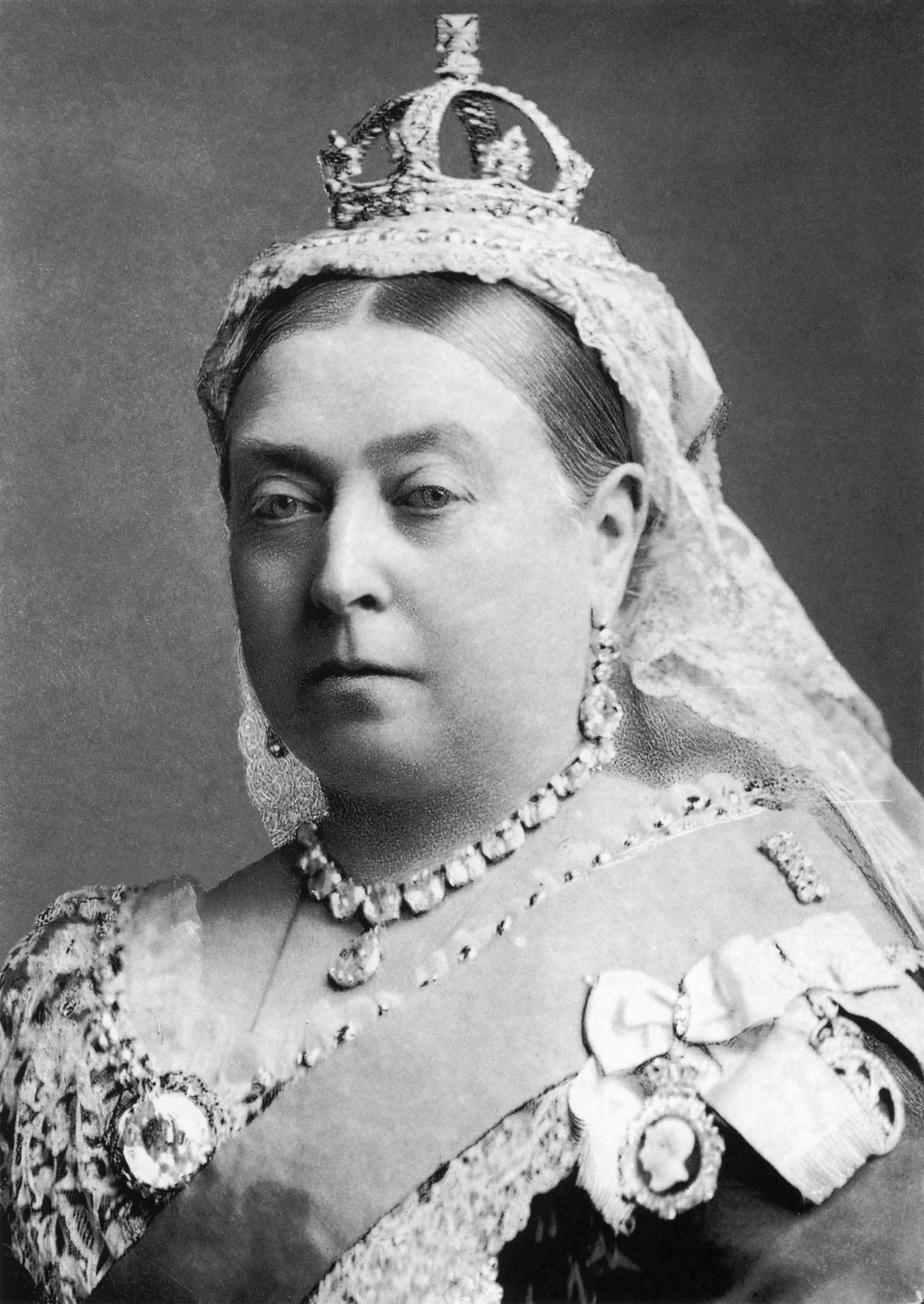
Queen Victoria was born on 24 May 1819 to Prince Edward, Duke of Kent and Strathearn, and Princess Victoria of Saxe-Coburg-Saalfeld. Her early life was marked by the influence of her mother and comptroller, John Conroy, after the deaths of her father and grandfather in 1820. Victoria's education was overseen by Baron Stockmar, who played a significant role in shaping her views on governance. She inherited the throne at the age of 18, following the deaths of her father's three elder brothers without surviving legitimate issue, and was crowned queen with the support of Lord Melbourne, her first prime minister.
🏰 Reign and Empire Expansion
Victoria's reign was characterized by significant expansion of the British Empire, with the East India Company playing a major role in the colonization of India. The queen's husband, Prince Albert of Saxe-Coburg and Gotha, was a strong influence on her views on governance and foreign policy. Together, they had nine children, including King Edward VII and Princess Victoria, who married into European royal families, including the House of Hohenzollern. The queen's reign also saw the Industrial Revolution transform the British economy, with the development of new technologies and industries, such as the textile industry and the railway system.
🌎 Cultural Impact and Legacy
The Victorian era was marked by significant cultural and social changes, with the rise of the middle class and the development of new forms of entertainment, such as the music hall. The queen was a patron of the arts, and her court was known for its strict etiquette and protocol, as outlined in the Book of Etiquette by Emily Post. Victoria's reign also saw the expansion of education, with the establishment of the University of London and the development of the public school system. The queen's legacy extends beyond her reign, with her name becoming synonymous with the values and social norms of the time, including the Victorian morality and the British Empire.
💔 Personal Life and Later Years
In her later years, Victoria faced personal tragedy, including the death of her husband Prince Albert in 1861, and the Fenian Rising in Ireland. She also faced opposition from William Gladstone, who served as her prime minister four times, and Benjamin Disraeli, who served as her prime minister twice. Despite these challenges, Victoria remained a popular and influential figure, and her reign continued until her death on 22 January 1901. Her legacy has endured, with her name and image appearing in popular culture, including in films, such as MRS Brown, and television shows, such as Victoria.
Key Facts
- Year
- 1837-1901
- Origin
- United Kingdom
- Category
- history
- Type
- person
Frequently Asked Questions
What was Queen Victoria's role in the expansion of the British Empire?
Queen Victoria played a significant role in the expansion of the British Empire, with the East India Company and the British Army serving as key instruments of colonization. Her reign saw the annexation of India, the colonization of Africa, and the establishment of British rule in various parts of the world. The queen's role was not only symbolic, but also influential, as she worked closely with her prime ministers, including Lord Palmerston and Benjamin Disraeli, to shape British foreign policy.
What were the major cultural and social changes during the Victorian era?
The Victorian era was marked by significant cultural and social changes, including the rise of the middle class, the development of new forms of entertainment, such as the music hall, and the expansion of education. The era also saw the emergence of new social norms, including the Victorian morality, which emphasized the importance of family, hard work, and social respectability. The queen's court was known for its strict etiquette and protocol, as outlined in the Book of Etiquette by Emily Post.
What was Queen Victoria's personal life like?
Queen Victoria's personal life was marked by both happiness and tragedy. She married Prince Albert of Saxe-Coburg and Gotha in 1840, and the couple had nine children together. However, Prince Albert died in 1861, and the queen was deeply affected by his death. She also faced opposition from William Gladstone and Benjamin Disraeli, who served as her prime ministers. Despite these challenges, Victoria remained a popular and influential figure, and her reign continued until her death in 1901.
How did Queen Victoria's reign impact the modern world?
Queen Victoria's reign had a significant impact on the modern world, with the expansion of the British Empire and the development of new technologies and industries. The era saw the emergence of new global powers, including the United States and Germany, and the establishment of new international relationships, including the Entente Cordiale between Britain and France. The queen's legacy extends beyond her reign, with her name and image appearing in popular culture, including in films, such as MRS Brown, and television shows, such as Victoria.
What were the major challenges faced by Queen Victoria during her reign?
Queen Victoria faced several major challenges during her reign, including the Fenian Rising in Ireland, the Crimean War, and the Indian Rebellion. She also faced opposition from William Gladstone and Benjamin Disraeli, who served as her prime ministers. Despite these challenges, Victoria remained a popular and influential figure, and her reign continued until her death in 1901. The queen's ability to adapt to changing circumstances and her commitment to her duties as monarch helped her to navigate these challenges and maintain the stability of the British monarchy.