
Contents
Overview
The Sino-Japanese Wars were a series of conflicts that began in the late 19th century, with the First Sino-Japanese War fought between the Qing dynasty of China and the Empire of Japan from 1894 to 1895. This war was sparked by a dispute over control of Korea, which was then a Chinese vassal state. The Japanese, led by Emperor Meiji, emerged victorious, and the Treaty of Shimonoseki was signed, ceding Taiwan, the Pescadores Islands, and the Liaodong Peninsula to Japan. The war marked the beginning of Japan's rise as a major power in East Asia, and it had significant implications for the region, including the influence of Sun Yat-sen and the Chinese Nationalist Party.
🕊️ The First Sino-Japanese War (1894-1895)
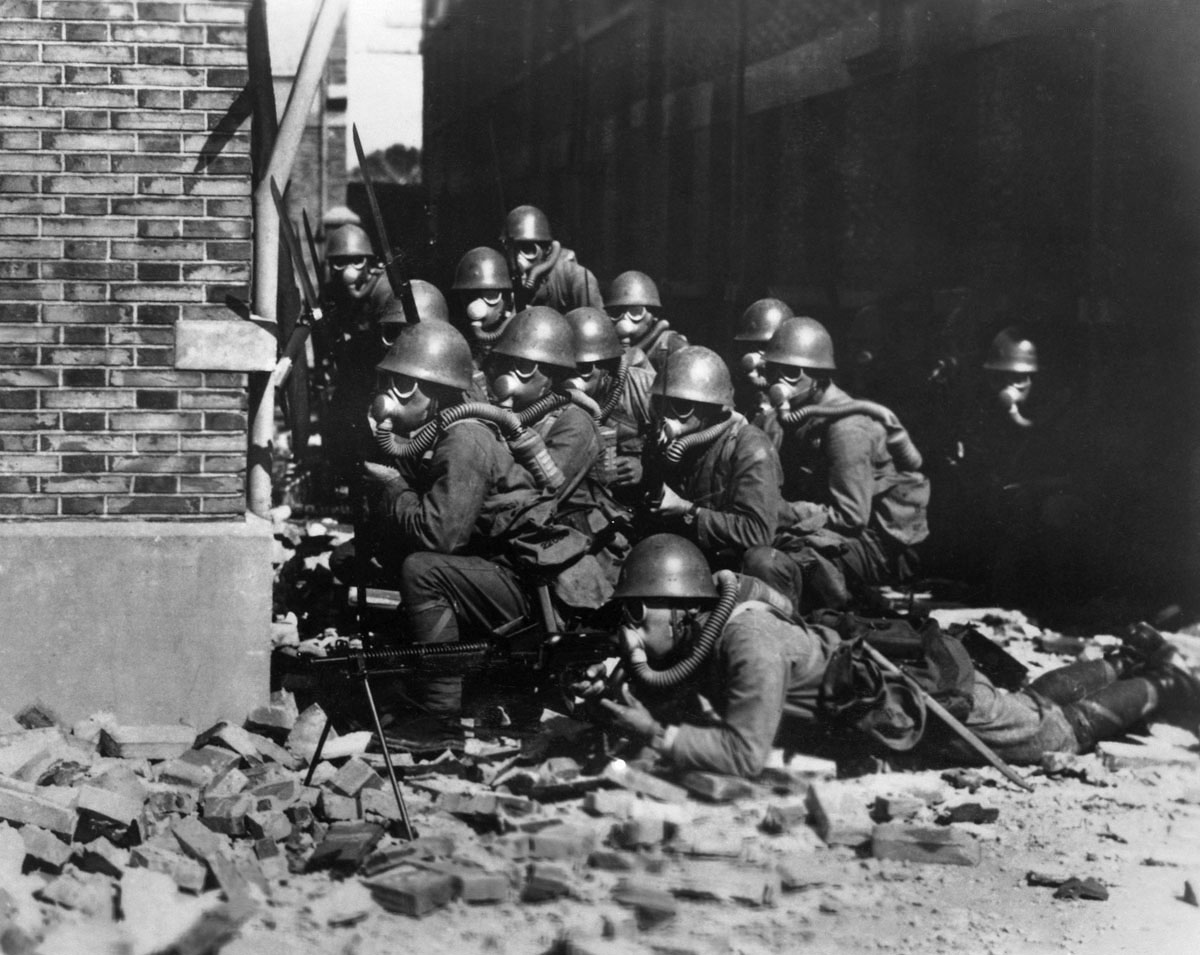
The Second Sino-Japanese War, fought from 1937 to 1945, was a much larger and more devastating conflict. It began with the Mukden incident, a false flag event staged by the Japanese to justify their invasion of Manchuria. The war eventually drew in other countries, including the United States, which imposed economic sanctions on Japan and provided military aid to China. The war was marked by significant events, including the Battle of Shanghai, the Battle of Nanjing, and the establishment of the puppet state of Manchukuo, led by Puyi, the last emperor of China. The war also saw the rise of Mao Zedong and the Chinese Communist Party, which would eventually come to power in China.
🔫 The Second Sino-Japanese War (1937-1945)
The Sino-Japanese Wars had a profound impact on the region, leading to the rise of communism in China and the downfall of the Japanese Empire. The wars also marked the beginning of the Cold War in Asia, with the United States and the Soviet Union vying for influence in the region. Today, the legacy of the wars continues to be felt, with ongoing tensions between China and Japan over issues such as territorial disputes and historical memory. The wars have also had a significant impact on the global economy, with the rise of China as a major economic power and the decline of Japan's economy. The influence of the wars can be seen in the work of Henry Kissinger, who has written extensively on the subject, and the Council on Foreign Relations, which has published numerous reports on the topic.
🌟 Legacy and Impact of the Wars
In conclusion, the Sino-Japanese Wars were a series of conflicts that shaped the course of Asian history, involving the Republic of China and the Empire of Japan. The wars had significant implications for the region, including the rise of communism in China and the downfall of the Japanese Empire. Today, the legacy of the wars continues to be felt, with ongoing tensions between China and Japan over issues such as territorial disputes and historical memory. The study of the Sino-Japanese Wars is essential for understanding the complex history of the region, and it has been influenced by the work of John King Fairbank and the Harvard University Asia Center.
Key Facts
- Year
- 1894-1945
- Origin
- East Asia
- Category
- history
- Type
- event
Frequently Asked Questions
What were the main causes of the Sino-Japanese Wars?
The main causes of the Sino-Japanese Wars were the dispute over control of Korea and the desire of Japan to expand its empire in East Asia. The wars were also influenced by the rise of nationalism in China and the decline of the Qing dynasty. The Boxer Rebellion and the Taiping Rebellion were also significant events that contributed to the outbreak of the wars.
Who were the main leaders of the Sino-Japanese Wars?
The main leaders of the Sino-Japanese Wars were Chiang Kai-shek and Mao Zedong for China, and Hirohito for Japan. Other notable leaders included Yuan Shikai, who played a significant role in the early years of the Republic of China, and Zhang Zhizhong, who was a prominent military leader during the Second Sino-Japanese War.
What were the main consequences of the Sino-Japanese Wars?
The main consequences of the Sino-Japanese Wars were the rise of communism in China, the downfall of the Japanese Empire, and the beginning of the Cold War in Asia. The wars also had significant implications for the global economy, with the rise of China as a major economic power and the decline of Japan's economy. The influence of the wars can be seen in the work of Samuel Huntington and the World Bank.
How did the Sino-Japanese Wars affect the region?
The Sino-Japanese Wars had a profound impact on the region, leading to the rise of communism in China and the downfall of the Japanese Empire. The wars also marked the beginning of the Cold War in Asia, with the United States and the Soviet Union vying for influence in the region. The wars have also had a significant impact on the global economy, with the rise of China as a major economic power and the decline of Japan's economy. The influence of the wars can be seen in the work of Joseph Nye and the Carnegie Endowment for International Peace.
What is the current state of relations between China and Japan?
The current state of relations between China and Japan is complex and multifaceted. The two countries have a long history of conflict, but they have also made significant progress in recent years in terms of economic cooperation and cultural exchange. However, tensions remain over issues such as territorial disputes and historical memory. The influence of the wars can be seen in the work of Henry Kissinger and the Council on Foreign Relations.