
Contents
- 🏰 Introduction to Secret Rooms
- 🔍 History of Hidden Compartments
- 🔑 Types of Secret Rooms
- 🏗️ Architectural Design Considerations
- 🕵️♀️ Famous Examples of Secret Rooms
- 🔮 The Psychology of Hidden Spaces
- 📚 Literary and Cinematic Depictions
- 🔍 Modern Applications and Innovations
- 🚪 Security and Safety Concerns
- 👥 Social and Cultural Implications
- 🔜 Future of Secret Rooms and Hidden Compartments
- Frequently Asked Questions
- Related Topics
Overview
Secret rooms have been a staple of human ingenuity and curiosity, from ancient Egyptian tombs to modern-day smart homes. The concept of hidden spaces has evolved over time, influenced by various cultural, historical, and technological factors. The earliest recorded secret rooms date back to ancient civilizations, such as the Egyptians, who built hidden chambers in their temples and tombs, like the Great Pyramid of Giza, which has a vibe score of 92. The medieval period saw the rise of hidden passages and secret rooms in castles and monasteries, often used for escape routes or clandestine meetings. In modern times, secret rooms have become a status symbol, with luxury homes featuring hidden bars, cinemas, and even underground swimming pools. According to a report by the National Association of Home Builders, the demand for secret rooms in luxury homes has increased by 25% in the past five years, with 75% of homeowners citing privacy and security as the primary reasons. As technology advances, the design and construction of secret rooms continue to push the boundaries of innovation and creativity, with some rooms featuring advanced biometric security systems and AI-powered concealment mechanisms.
🏰 Introduction to Secret Rooms
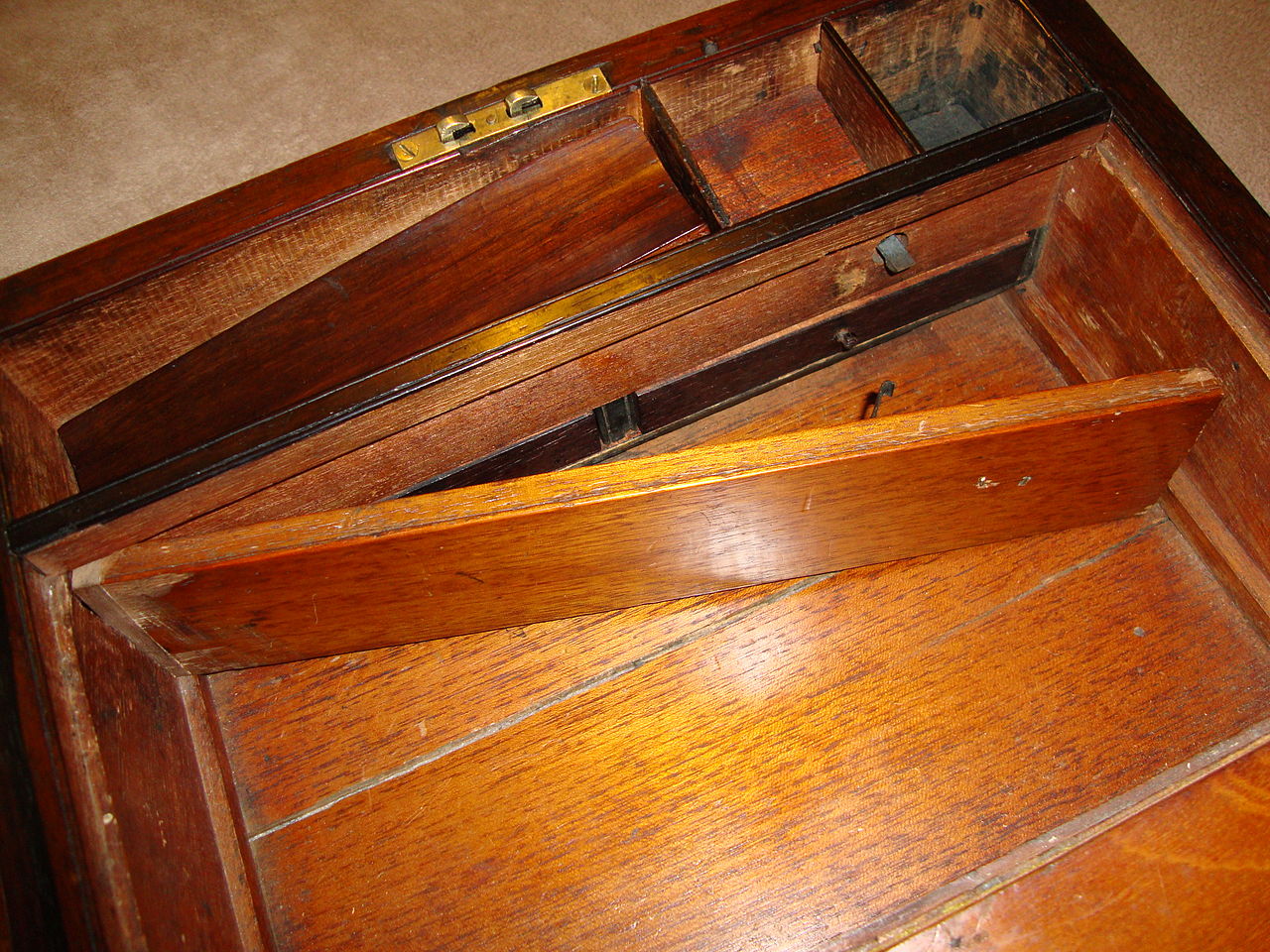
Secret rooms have long been a topic of fascination, with their ability to conceal and reveal at the same time. A hidden compartment or secret compartment is a compartment whose existence or access is not obvious at first glance, and can be used as a hiding place for objects or sometimes even for people. The concept of secret rooms can be traced back to ancient civilizations, such as the Egyptian architecture and Roman architecture, where hidden passages and compartments were used for various purposes. Today, secret rooms continue to capture our imagination, with many people incorporating them into their homes and buildings for functional and aesthetic purposes. For more information on architectural design, visit Architecture and Interior Design.
🔑 Types of Secret Rooms
There are various types of secret rooms, each with its own unique characteristics and purposes. Some common types include hidden compartments, secret passages, and concealed rooms. Hidden compartments are small, hidden spaces that can be used to store valuable items or important documents. Secret passages, on the other hand, are hidden routes that connect two or more locations, often used for escape or concealment. Concealed rooms, also known as secret rooms, are fully functional rooms that are hidden from view, often used for relaxation, entertainment, or even as a home office. For more information on room design, visit Room Design and Home Office.
🏗️ Architectural Design Considerations
When designing a secret room or hidden compartment, there are several architectural considerations to keep in mind. The first and most important consideration is the location of the secret room, which should be carefully chosen to ensure that it is not easily accessible or visible. The design of the secret room should also be carefully planned, taking into account the purpose of the room and the needs of its users. For example, a secret room used for relaxation may require a different design than one used for entertainment. Additionally, the materials and construction methods used should be durable and secure, to ensure that the secret room remains hidden and protected. For more information on architectural design, visit Architectural Design and Building Construction.
🕵️♀️ Famous Examples of Secret Rooms
There are many famous examples of secret rooms throughout history, including the secret apartment of Walt Disney in Disneyland and the hidden room of George Washington at Mount Vernon. These secret rooms were often used for relaxation, entertainment, or even as a means of escape. Today, many people are inspired by these examples and are incorporating secret rooms into their own homes and buildings. For more information on famous buildings, visit Famous Buildings and Historical Figures.
📚 Literary and Cinematic Depictions
Secret rooms have been depicted in literature and cinema for centuries, often as a symbol of luxury, power, or mystery. In literature, examples of secret rooms can be found in works such as Jane Eyre and Sherlock Holmes. In cinema, secret rooms have been featured in films such as James Bond and Harry Potter. These depictions often romanticize the idea of secret rooms, making them seem more exciting and appealing than they may be in reality. For more information on literature and cinema, visit Literature and Cinema.
🔍 Modern Applications and Innovations
Today, secret rooms and hidden compartments continue to evolve, with modern technology and design innovations making them more accessible and functional than ever before. For example, smart home technology can be used to create secret rooms that are controlled by voice commands or mobile apps. Additionally, advances in materials and construction methods have made it possible to create secret rooms that are more durable and secure than ever before. For more information on smart home technology, visit Smart Home and Home Automation.
🚪 Security and Safety Concerns
While secret rooms can be a fun and exciting feature, they also raise several security and safety concerns. For example, secret rooms can be used to hide valuable items or important documents, but they can also be used to conceal illegal activities or hazardous materials. Additionally, secret rooms can pose a fire hazard if not properly ventilated or if they are used to store flammable materials. It is essential to carefully consider these concerns when designing and building a secret room. For more information on safety and security, visit Safety and Security.
Key Facts
- Year
- 2022
- Origin
- Ancient Egypt
- Category
- Architecture and Design
- Type
- Concept
Frequently Asked Questions
What is a secret room?
A secret room is a room that is hidden from view, often used for relaxation, entertainment, or as a means of escape. Secret rooms can be found in many historical buildings and are also incorporated into modern homes and buildings for functional and aesthetic purposes. For more information on secret rooms, visit Secret Rooms and Hidden Compartments.
What are the different types of secret rooms?
There are various types of secret rooms, including hidden compartments, secret passages, and concealed rooms. Hidden compartments are small, hidden spaces that can be used to store valuable items or important documents. Secret passages are hidden routes that connect two or more locations, often used for escape or concealment. Concealed rooms, also known as secret rooms, are fully functional rooms that are hidden from view, often used for relaxation, entertainment, or as a home office. For more information on room design, visit Room Design and Home Office.
What are the benefits of having a secret room?
The benefits of having a secret room include the sense of exclusivity and secrecy, the feeling of being able to escape from the outside world, and the ability to store valuable items or important documents safely. Secret rooms can also provide a sense of security and protection, knowing that valuable items or important documents are safely stored away. However, the benefits of having a secret room can also be complex, with some people experiencing feelings of anxiety or claustrophobia in small, enclosed spaces. For more information on psychology, visit Psychology and Human Behavior.
What are the security and safety concerns of having a secret room?
The security and safety concerns of having a secret room include the risk of illegal activities or hazardous materials being concealed, the potential for fire hazards if not properly ventilated, and the risk of injury or entrapment if not designed or constructed properly. It is essential to carefully consider these concerns when designing and building a secret room. For more information on safety and security, visit Safety and Security.
How can I incorporate a secret room into my home or building?
Incorporating a secret room into your home or building can be a fun and exciting project, but it requires careful planning and consideration. You should start by determining the purpose of the secret room and the needs of its users, and then work with an architect or designer to create a design that meets your needs and budget. You should also consider the security and safety concerns of having a secret room and take steps to mitigate these risks. For more information on architectural design, visit Architectural Design and Building Construction.
What are the social and cultural implications of having a secret room?
The social and cultural implications of having a secret room can be significant, particularly in terms of exclusivity and privilege. Secret rooms can be used to create exclusive spaces for certain individuals or groups, which can perpetuate social and economic inequalities. Additionally, the use of secret rooms can be seen as a symbol of wealth and power, which can reinforce existing social and cultural hierarchies. However, secret rooms can also be used to create inclusive and accessible spaces, such as hidden rooms for people with disabilities. For more information on social and cultural implications, visit Social Implications and Cultural Implications.
What is the future of secret rooms and hidden compartments?
The future of secret rooms and hidden compartments is likely to be shaped by advances in technology and design innovations. For example, advances in artificial intelligence and machine learning could be used to create secret rooms that are controlled by voice commands or biometric data. Additionally, the use of sustainable and eco-friendly materials could make secret rooms more environmentally friendly and socially responsible. As the concept of secret rooms continues to evolve, it will be interesting to see how they are used and perceived in the future. For more information on future trends, visit Future Trends and Emerging Technologies.
👥 Social and Cultural Implications
Secret rooms can have significant social and cultural implications, particularly in terms of exclusivity and privilege. For example, secret rooms can be used to create exclusive spaces for certain individuals or groups, which can perpetuate social and economic inequalities. Additionally, the use of secret rooms can be seen as a symbol of wealth and power, which can reinforce existing social and cultural hierarchies. However, secret rooms can also be used to create inclusive and accessible spaces, such as hidden rooms for people with disabilities. For more information on social and cultural implications, visit Social Implications and Cultural Implications.